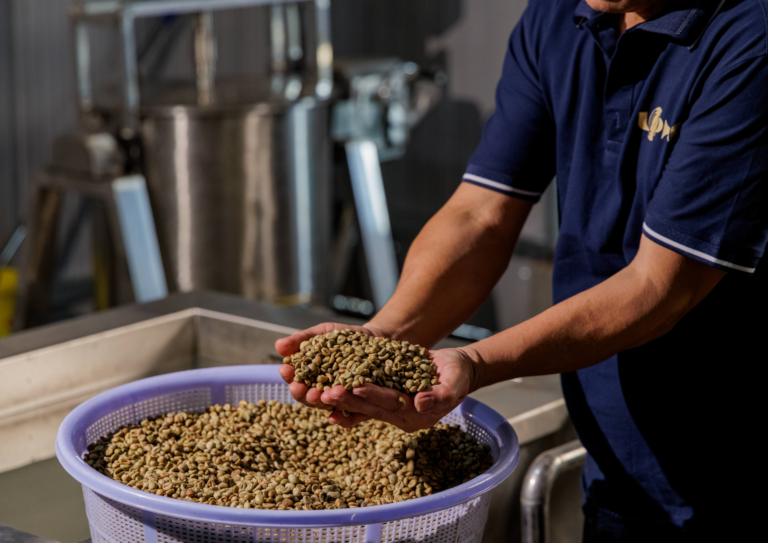
Honey-Processed Coffee and the Role of Natural Mucilage
Summary: The name 'Honey coffee' leads many people to believe that honey has been added. In fact, Honey is a processing method that retains some of the natural mucilage around the bean after the fruit skin and pulp are removed. That remaining mucilage calls for particular care during drying. Understanding Honey processing also helps distinguish it from conventional washed processing and explains why different green coffees have their own characteristics.
For someone new to coffee, 'Honey coffee' may sound like beans mixed with honey to make them sweeter. That is not what it means. Honey refers to a post-harvest processing method in which the fruit's outer layers are removed but some natural mucilage remains on the beans during drying.
Interestingly, the same ripe coffee cherries can be processed in different ways depending on how their mucilage is handled. Some methods remove almost all of it before drying; others retain a portion to produce particular raw-material characteristics. For LOPHA, understanding these distinctions shows that mucilage removal does not mean every coffee must be stripped of mucilage to exactly the same degree.
1. What is the natural mucilage on coffee beans?
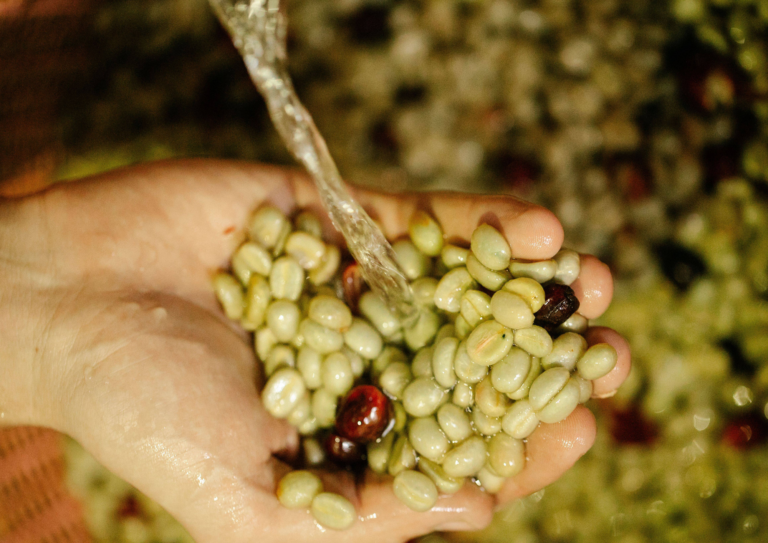
When we remove the outer skin and pulp of a coffee cherry, we do not immediately see the dry green coffee familiar to roasters. Other layers still surround the seed, including mucilage: a soft, slippery and slightly sticky layer close to the parchment.
Mucilage contains water and naturally occurring organic substances. When wet, it can feel slimy to the touch; as moisture evaporates, its surface condition changes. So the same mucilage can behave differently during processing depending on when and how the coffee is dried.
Mucilage is not a flavouring added to coffee. It is naturally present in the cherry. The decisions are how much to retain, under what conditions to process it and how to prevent unwanted changes in the beans. Those choices are central to what makes Honey processing distinctive.
2. How is Honey processing different from washed processing?
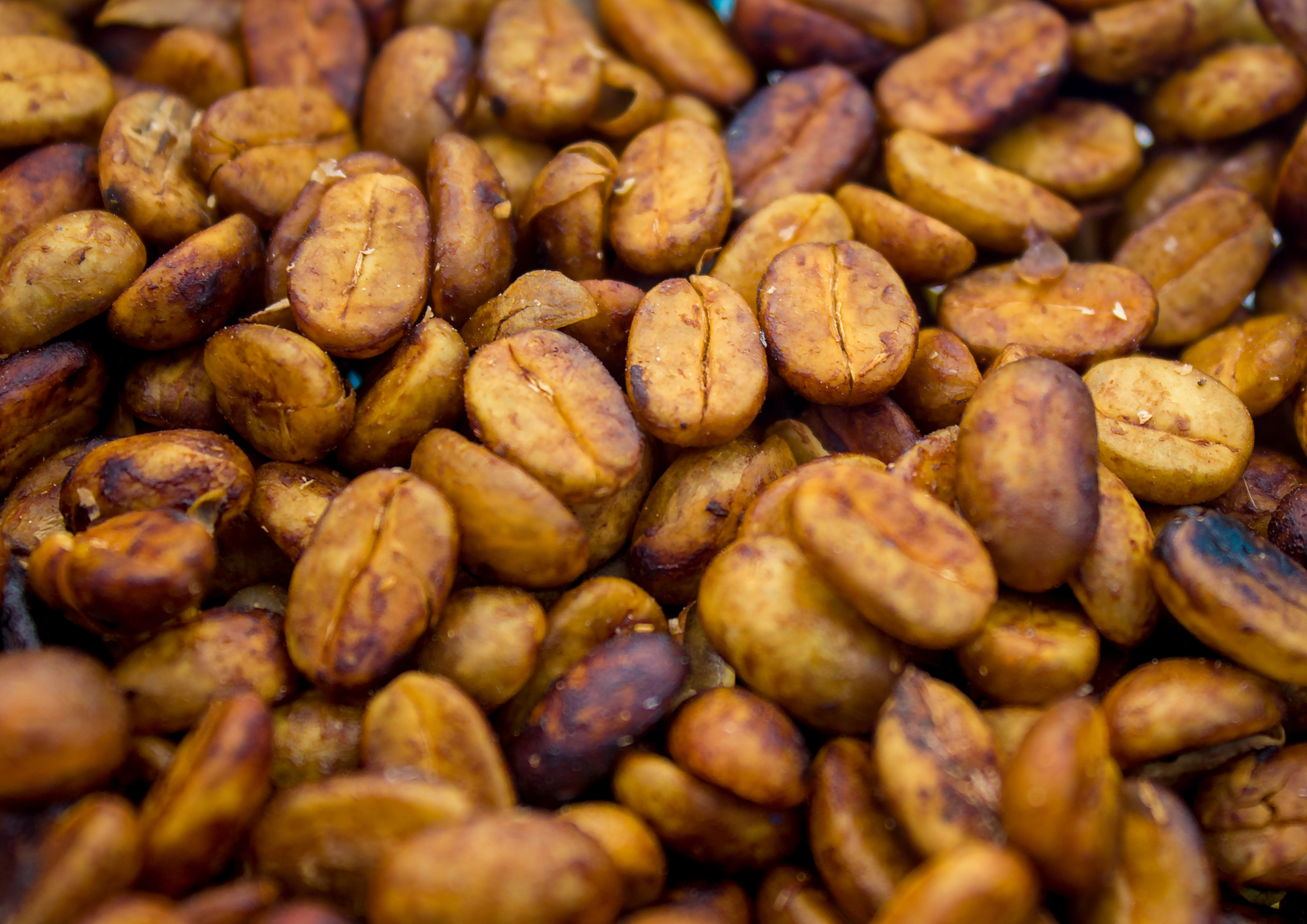
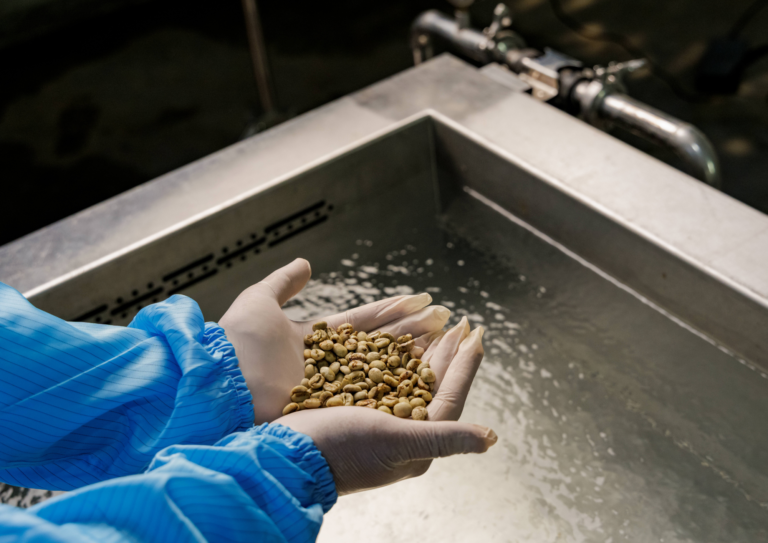
In many washed-processing methods, mucilage is removed after pulping through a suitable procedure, such as controlled fermentation followed by washing or mechanical demucilaging. The goal is to prepare the beans for drying with their surface in the desired condition.
With Honey processing, some mucilage remains on the beans while they are dried. Not every Honey lot retains the same amount: operating practices, coffee variety and intended product can all influence the outcome. Terms such as yellow, red and black Honey should therefore not be treated as a universal set of fixed recipes.
2.1. Honey coffee does not contain added honey
This is the most common misunderstanding. 'Honey' describes how the mucilage is handled, not the addition of honey, sugar or sweeteners. Naturally occurring substances in the mucilage may undergo changes during drying, but the cup's final flavour still reflects variety, growing area, processing, roasting and brewing together.
2.2. Retaining mucilage still requires careful control
Mucilage removal must be monitored in washed processing; retaining mucilage requires monitoring in Honey processing too. Remaining mucilage makes the bean surface sticky and can make it harder to spread the coffee evenly during drying. If the layer is too thick or turning is poorly managed, some areas may remain wet longer than others.
The difference is not that one method is inherently 'more careful'. Each has its own factors to manage. Good coffee results from matching raw material with sound operating practices, not merely from calling the processing method Honey or Washed.
3. Why does remaining mucilage make drying more difficult?
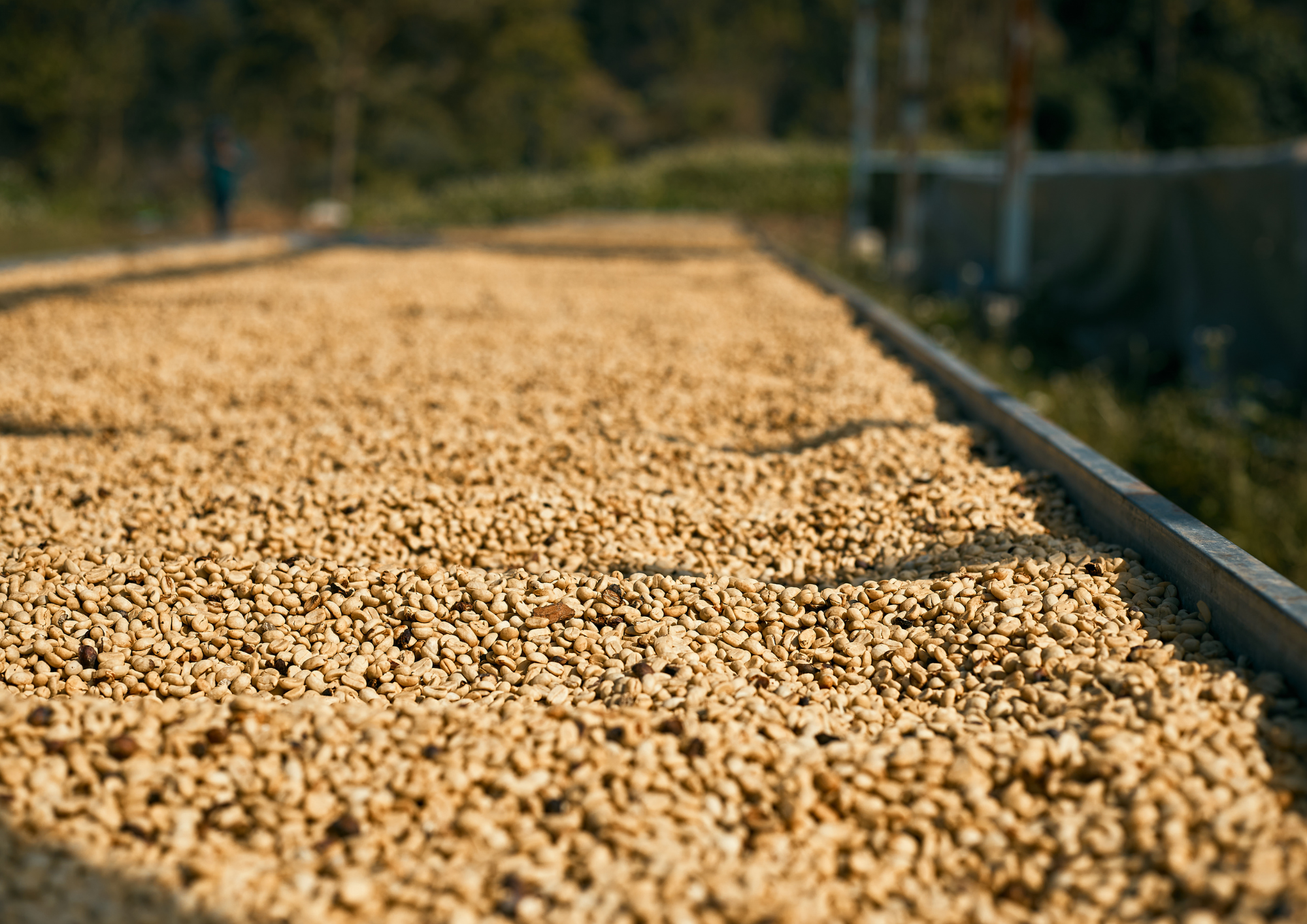
Imagine two groups of freshly pulped beans. Most mucilage has been removed from one group, while the other remains sticky. When spread onto a drying bed, the sticky beans may clump together, especially at the beginning. This means processors need to pay closer attention to spreading, turning and ventilation.
Without adequate airflow, moisture may escape more slowly from sheltered areas. A thick layer also makes inspection more difficult: the surface may look dry even though beans beneath remain damp. Those differences matter because the coffee still needs to be stored, hulled and roasted.
3.1. Turning the beans and managing drying-bed depth
Turning helps expose different areas of the coffee to air and heat more evenly. However, overly vigorous turning may damage the beans or their protective layers. Handling should suit the condition of each batch, rather than follow a rigid timetable that ignores the weather.
3.2. Processing must respond to changing weather
Sunshine, humidity, rain and wind all affect drying speed. Damp conditions increase the risk of moisture remaining for too long; under intense sunshine, the surface may change faster than the interior. Coffee processors need to monitor the beans themselves, not just count the number of days they have been drying.
At the growing area, post-harvest processing connects picking with the preparation of green coffee. In LOPHA's 15-step journey, quality does not depend on any single stage: initial ripeness and consistent drying can both influence the final raw material.
4. Does Honey processing make coffee sweeter?
Hearing the method's name, some people expect the coffee to taste as sweet as honey. But perceived sweetness in coffee is much more complex. What we taste also depends on the variety, the bean's natural chemistry, fermentation or drying conditions, roast level and brewing method.
Retaining mucilage can lead to changes different from those in coffee whose mucilage was carefully removed before drying. But we cannot claim that every Honey coffee tastes sweeter than every washed coffee. Nor does the name Honey guarantee good cup quality if the raw material is poor or drying is not well controlled.
Think of two batches of fruit from the same variety that have been grown, harvested and stored differently. Their flavours cannot be explained by just one post-harvest action. Coffee is similar: processing is important, but it is not the sole explanation for every flavour note in the cup.
5. How is Honey-processed green coffee assessed?
Once a Honey lot has been dried and prepared as green coffee, the processing label alone tells us too little. Producers still need to examine bean condition, uniformity, moisture, unusual signs and defects that may affect roasting.
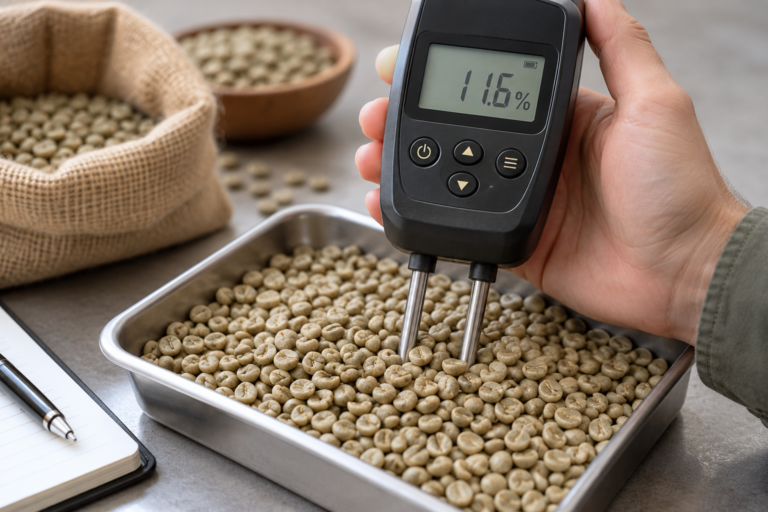
LOPHA uses defined raw-material specifications when assessing Honey-processed Robusta, including requirements relating to moisture and defective beans. For the relevant green coffee material, moisture is controlled at no more than 12% under the stated specifications. This does not mean every green bean should be kept at exactly 12%; the material must remain within limits appropriate for storage and processing.
A bean may look dry yet still have unstable moisture that creates storage problems. Likewise, post-processing bean colour is not the only measure of quality. Combining observation with appropriate checks gives producers a stronger basis for deciding whether a lot is ready for the next stages.
6. When should producers choose Honey or washed processing?
There is no single correct answer for every growing region and coffee variety. The choice also depends on weather, equipment, drying control, the quality of harvested cherries and the cup characteristics the producer wants to develop.
Where drying conditions are stable and monitoring is reliable, retaining some mucilage may suit certain lots. Where a different level of surface control is needed, washed processing with suitable mucilage removal has its own advantages. In either case, cleaning, moisture monitoring and storage remain important.
For coffee buyers, a Honey or Washed label can offer clues about how the beans were prepared. But choosing a coffee that suits your taste also means considering variety, roast level and the actual brewing experience. A processing method should never become an absolute promise about flavour.
7. Understanding mucilage helps us value post-harvest processing
Mucilage is only a small part of a coffee cherry, but how it is handled can change the demands of subsequent stages. Retaining some mucilage is a feature of Honey processing; removing it appropriately is another option in washed processing. Both call for close attention to raw material and drying conditions.
At LOPHA, coffee is understood through an interconnected sequence, not just by the colour of a roasted bean or the name of a processing method. Suitable green beans are the result of care at every step, before they go through further selection, treatment and roasting at the factory.
Once we understand that Honey processing does not involve adding honey, we can appreciate another fascinating aspect of coffee: some of its flavour may begin with choices made very early, just as the beans leave the cherry pulp and enter the drying stage.