Three Years of Refining LOPHA’s Coffee Production Process
Summary: The period from 2022 to 2025 was three years of connecting technology, people, and raw materials in LOPHA's production system. The goal was not simply one successful result, but suitable quality maintained across multiple batches.
Six years of research can help a brand find a direction. But turning that direction into products people can rely on takes another stage: ensuring that good results occur beyond a single experiment. For LOPHA, the period from 2022 to 2025 was dedicated to refining processes and bringing research results closer to practical production.
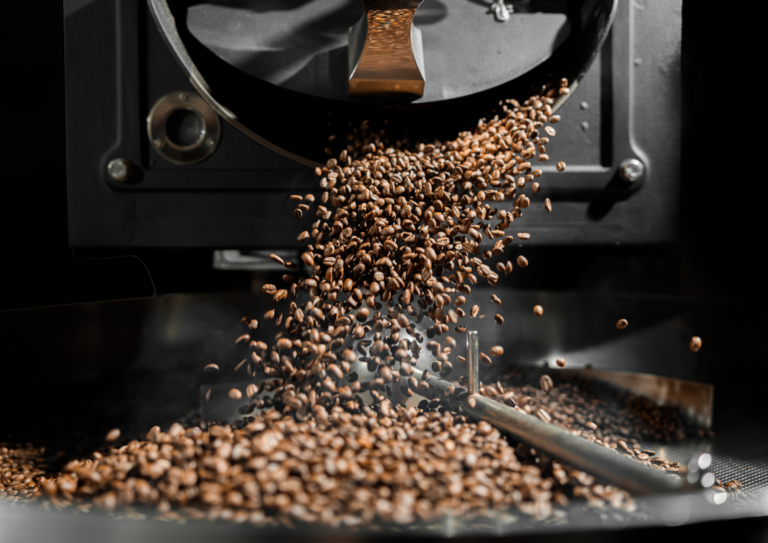
That transition involved more than buying equipment or enlarging a facility. Once research entered the factory, multiple needs emerged together: raw materials had to be received appropriately, departments needed to coordinate, changes had to be recognized, and finished products had to reflect the brand's direction. The three years represented a period of growth in how LOPHA made coffee.
From Research Results to Consistency in Production
Research often starts with specific questions. Is a method suited to the raw material? Do particular conditions achieve the intended goal? Observations guide the next choice. Production has an additional requirement: quality must be maintained as materials, volumes, and working conditions vary.
Even within the same coffee variety, lots may differ because of harvest conditions and storage. Translating research into production required LOPHA to coordinate ingredients, people, and equipment so quality objectives could be maintained across batches rather than depending on one fixed formula.
A process therefore works as a system connecting tasks. It helps operators know what matters at each stage, who is responsible, and when a change requires attention. The goal is not to make every bean identical but to reduce avoidable variation so each variety's distinctive characteristics can emerge more clearly.
LOPHA entered its process-refinement period with this approach. Knowledge accumulated over six years of research needed to connect with factory operations, where every decision influences what comes next. With good coordination, quality becomes the outcome of the system rather than the luck of one batch.
A Process Is More Than a Sequence of Steps
Many people picture production as a long line of machines: ingredients enter at one end and finished products emerge at the other. That picture helps explain the bean's path, but it leaves out much of what a brand needs to maintain quality.

Two neighboring stages are always connected. The result of one becomes the starting condition for the next. If a batch has unusual characteristics, early identification can help operators choose an appropriate response. When differences are discovered only after packaging, the opportunity to adjust is far more limited.
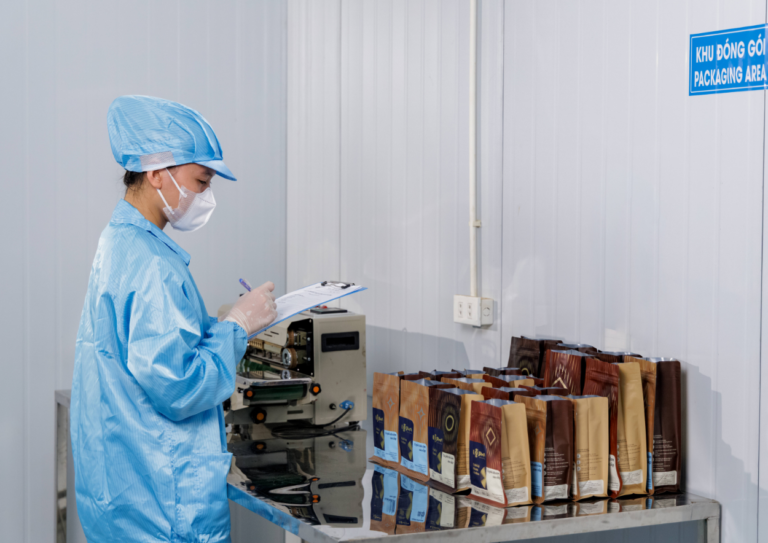
Refining a process therefore also means improving coordination between people. Factory employees do not all have the same task. What matters is that everyone understands how their work contributes to the shared result. When information passes clearly between departments, responsibility for the product is not interrupted.
For LOPHA, this is how aims that can sound abstract—consistency, purity, and authenticity—become practical operational choices. Quality does not appear automatically because a brand has a philosophy; it is built by respecting each small task along the line.
Putting Ultrasonic Technology in the Right Place
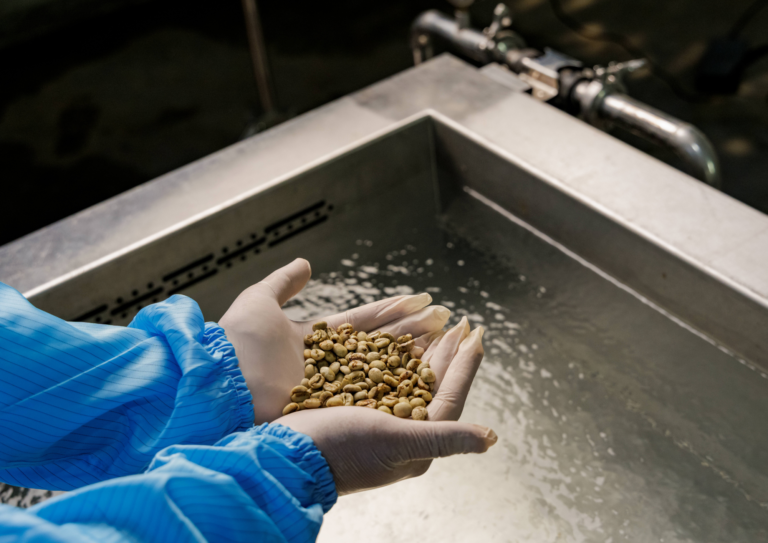
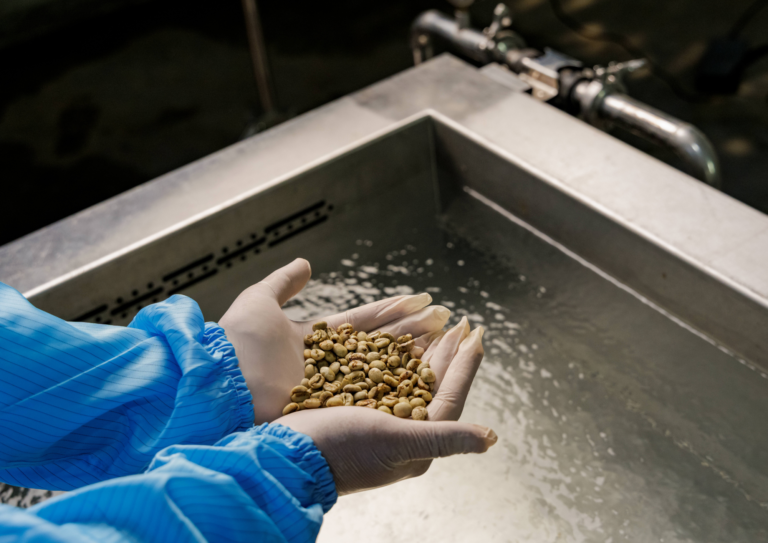
Ultrasonic technology is one distinctive part of LOPHA's story, but it is not the whole story. A new treatment only becomes useful when it suits the raw material and connects with other stages. A method that assists cleaning cannot replace the quality of growing regions, storage conditions, or product finishing.
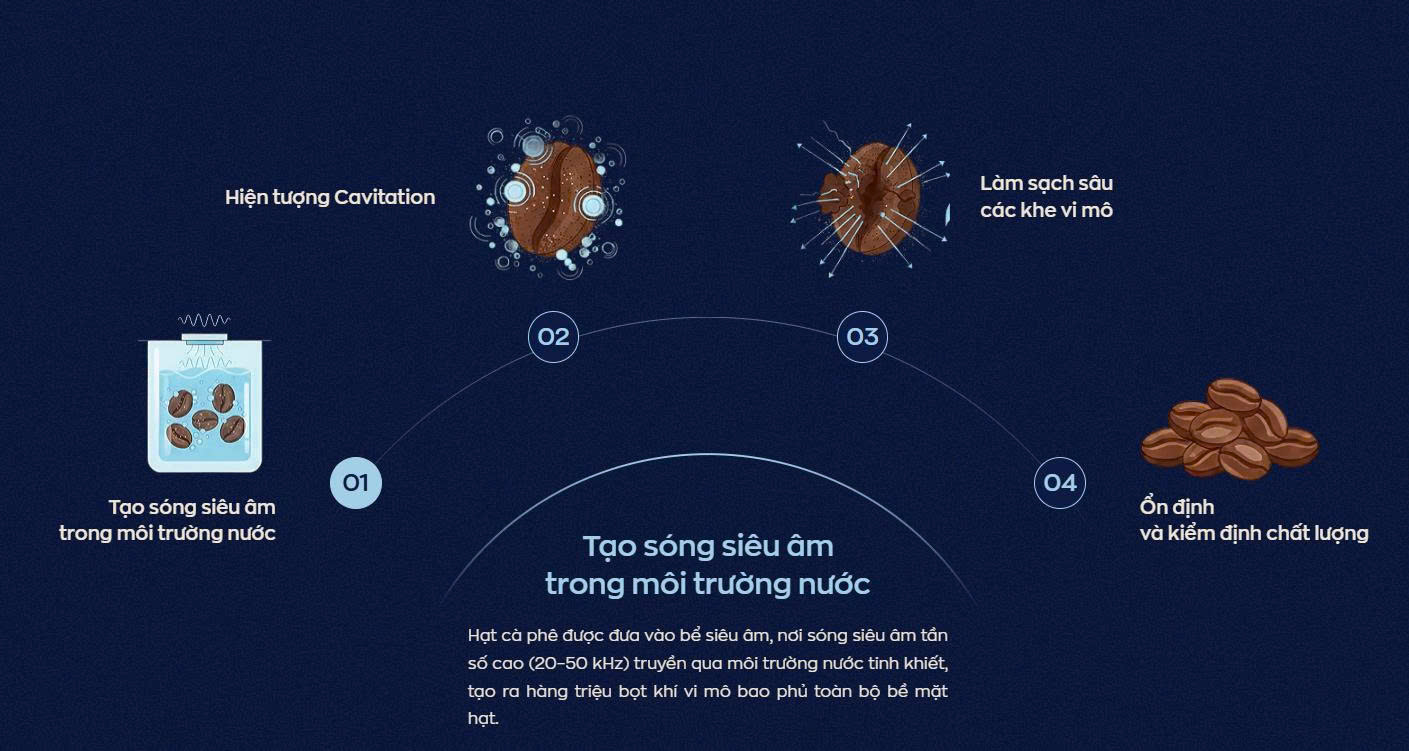
As production developed, integrating technology into the system was an essential step. Looking at a machine alone may draw attention to novelty or technical parameters. Looking at the full process brings questions closer to consumers' needs: are the ingredients clear, does coffee retain its own character, and is quality consistent across purchases?
LOPHA's factory in Lâm Đồng is where research choices are put into production. It currently occupies approximately 0.5 hectares and produces 300 tonnes of coffee annually. This describes today's factory scale, not a figure automatically applicable to every year of the earlier refinement period.
LOPHA treats user experience as important information when refining products. From home phin brewing to consistency requirements in cafés, restaurants, and offices, each customer group offers a different perspective. Connecting research, production, and markets helps the brand better adapt product development to everyday life.
When Coffee Drinkers Become a Measure of Progress
Most customers do not inspect a factory before buying coffee. They choose based on the product name, appearance, ingredients, descriptions, and earlier experiences. Only when they open a bag, grind beans, or brew their first cup do they really encounter the result of the many tasks that came before.
Robusta drinkers may want strong body, pronounced bitterness, and a lingering finish. Arabica lovers may seek delicate aromas, noticeable acidity, and a lighter feel. These preferences should not be forced into a single standard of what tastes good. Process refinement should help each product express its own character, not make every variety taste the same.
Coffee also needs to fit everyday routines. Some brew with a phin every morning; others use an espresso machine at a counter; still others grind beans themselves to make a cup feel more personal. Such different needs require a brand to consider the final customer experience, not only its research stage.
That is why three years of refinement mattered beyond the factory walls. Stronger production organization gave research results a chance to appear in everyday customer choices. Instead of talking only about a technology, the brand could offer coffees with recognizable flavor identities and clear ingredients.
Three Years Pave the Way for an Important Return
From 2022 to 2025, LOPHA continued learning to see the coffee bean through its many connections. Suitable ingredients support processing; an organized process carries their characteristics forward; and coordinated teams help maintain responsibility for the product from beginning to end.
Yet the more coffee makers understand the factory, the more they recognize that certain things are decided before raw materials arrive. Quality does not begin at the factory door. Growing conditions, harvesting, and preparation at origin all leave effects that later stages must understand.
That awareness helped open a new research stage in 2025, when LOPHA returned to studying initial processing in growing regions. This did not reject the preceding three years of refinement. On the contrary, factory experience made the need for stronger links with origin more apparent.
From an inspiring flavor in 2016 through six years of technology research and three years of process refinement, LOPHA gradually developed its own production approach. In 2025, renewed attention to processing at origin brought the work before and inside the factory into closer connection.