Vietnamese Coffee Exports: From Raw Green Beans to Branded Products
Summary: Exporting green coffee and developing roasted coffee products under a Vietnamese brand are two different business paths. The first focuses on raw materials, lot quality and reliable delivery. The second also requires consistent flavour, thoughtful packaging, distribution and consumer trust. Building on Long Phan's foundations established in 2007, LOPHA continues to add value to Vietnamese coffee through research into raw materials, production development and products with a distinct identity.
Vietnamese coffee can reach international markets either as green beans or as branded finished products. The beans may be the same, but supplying them to a roaster and placing them on a shelf under a brand name are two very different journeys. Green coffee buyers focus on raw material characteristics and supply reliability. Once the coffee has been roasted, packaged and branded, the conversation expands to taste preferences, packaging, service and the trust people place in the brand.
Adding value to Vietnamese coffee, therefore, is not simply a matter of changing the packaging or raising the price. That value must come from the work a business actually does and the benefits its customers receive. Long Phan's trading foundations, dating back to 2007, provide a meaningful starting point for understanding LOPHA's later development.
1. How Does Vietnamese Coffee Enter Export Markets?
Vietnam plays an important role in the global coffee supply chain, particularly for Robusta. Yet coffee exporting is not a single, uniform business model. A company may supply green beans to overseas roasters, sell roasted coffee to distributors, or develop its own brand to reach consumers directly.
The differences lie in the customers served, the product requirements and the work the company undertakes after harvest. Supplying raw materials should not be regarded as a lesser activity: reliable green coffee remains an essential input for roasting businesses around the world.
1.1. Why Are Green Coffee Beans So Important?
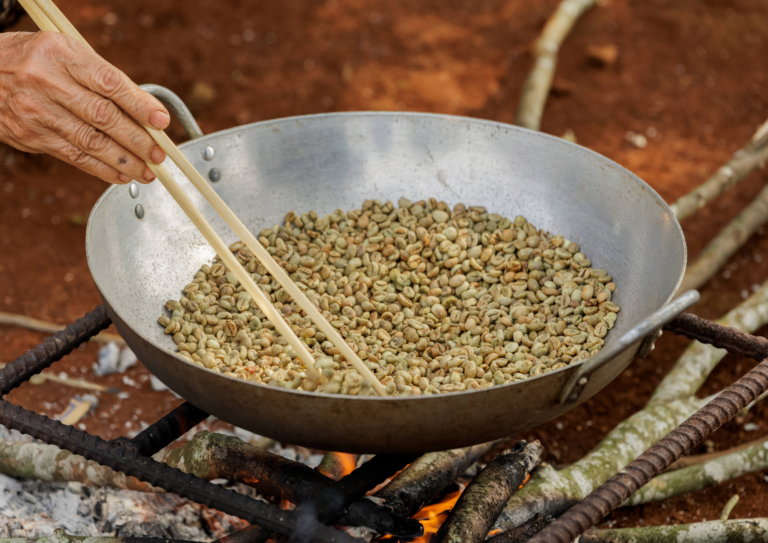
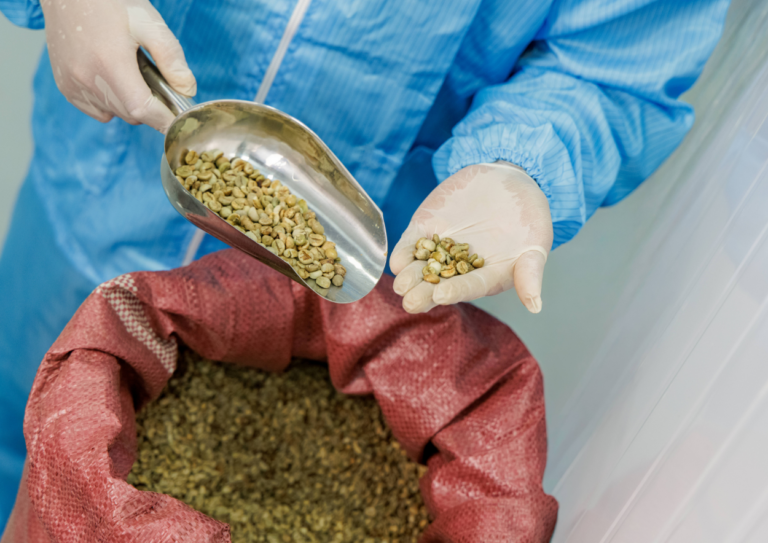
Green coffee beans have undergone initial processing but have not yet been roasted. Roasters can choose their own roast profiles, create blends and develop products suited to their customers. This flexibility is precisely why green beans retain such a prominent place in international trade.
According to market reports from the International Coffee Organization (ICO), green coffee typically accounts for the majority of coffee traded across borders by volume. These reports also distinguish between Arabica, Robusta and processed products, reflecting the many different categories within the market.
Green coffee importers generally assess lot consistency, compliance with specifications, traceability and delivery terms. These are practical forms of value that Vietnam's coffee supply chain can provide.
1.2. What More Must a Business Do When Selling Branded Coffee?
A bag of roasted coffee contains more than a certain weight of beans. It also carries a defined flavour profile, instructions for use, packaging and the expectation that customers can enjoy a similar experience the next time they buy it.
Businesses must decide whom they want to serve, whether the coffee suits phin brewing or espresso, which channels to sell through and how to respond to feedback. Every decision brings costs as well as opportunities to build a distinctive identity.
Moving from raw material supply to branded products is therefore an expansion of responsibility, not merely a change of label.
2. How Do Green Coffee and Roasted Coffee Differ?
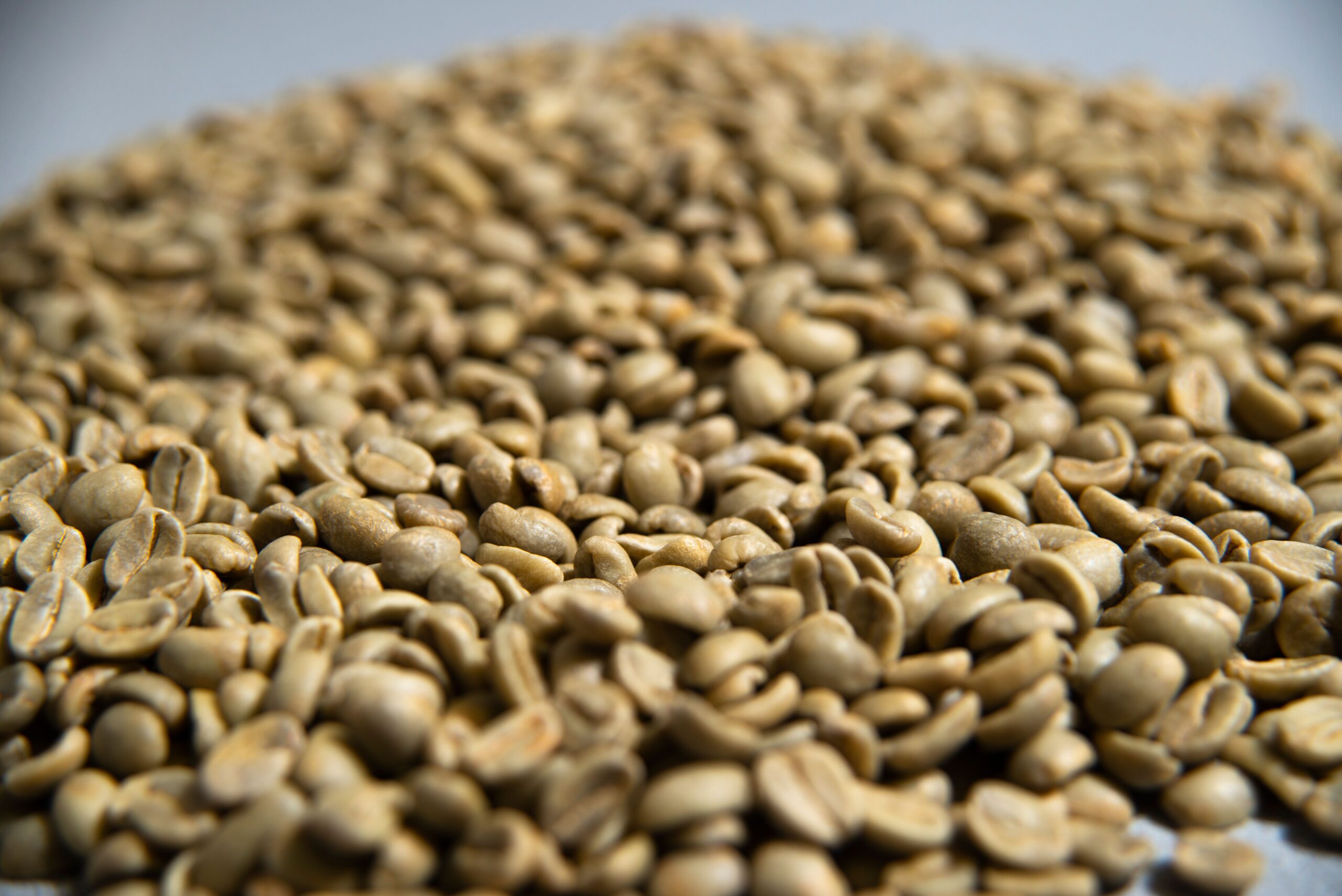
Both products start with coffee beans, but they require different types of management. Green coffee needs suitable conditions for storage, transport and subsequent roasting. Once roasted, greater attention must be paid to how aroma changes over time and how consumers will prepare the coffee.
2.1. What Determines the Value of Green Coffee?
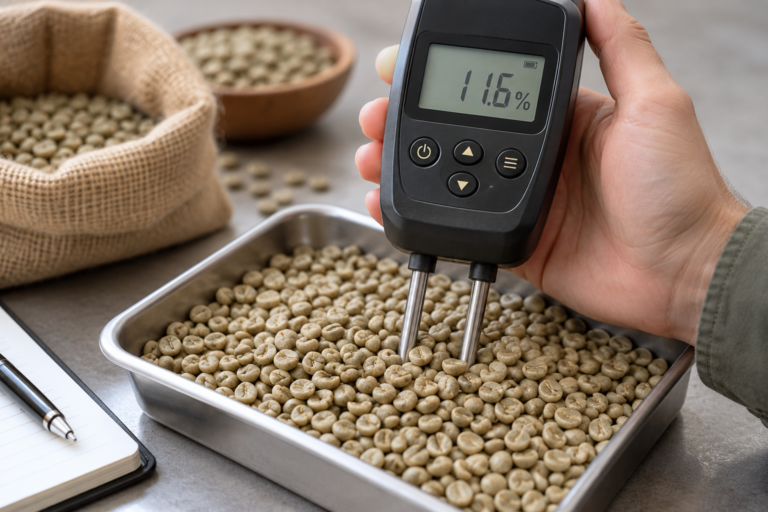
In raw material transactions, factors such as moisture content, bean size, defects and storage conditions can influence purchasing decisions. A lot containing many different bean sizes may be harder to roast evenly; if moisture is not managed properly, the beans may deteriorate during storage.
Lot consistency, supply history and the ability to meet delivery schedules matter just as much. Partners are not simply buying a sack of coffee; they are buying raw material they need to fit into their own production plans.
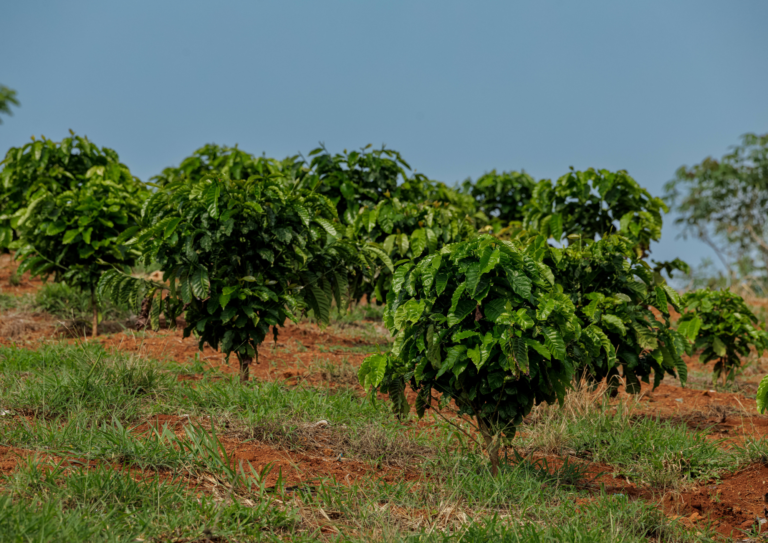
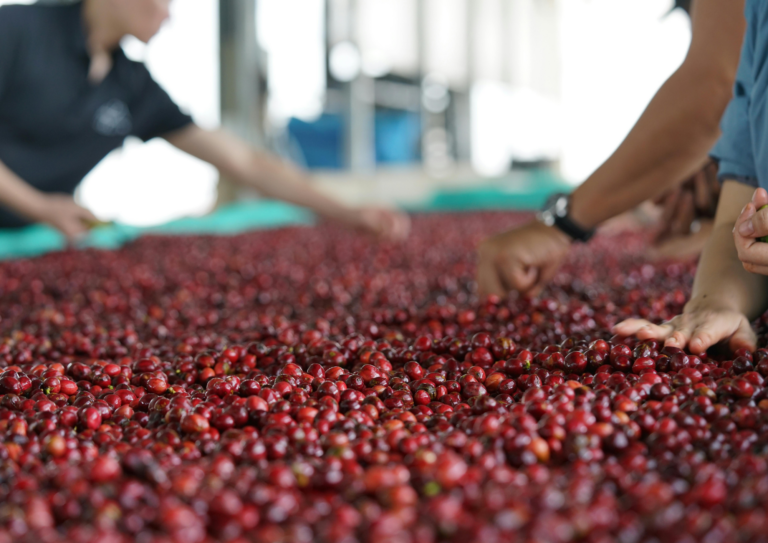
In export transactions, LOPHA's journey from growing region to finished product shows that raw material assessment does not begin only once the coffee has been bagged. Moisture, uniformity and the way lot information is recorded before transport all influence how a buyer can receive and plan to roast the coffee.
2.2. What New Requirements Come with Roasted Coffee?
After roasting, coffee continues to release gases, while the aromatic compounds can change when exposed to air, heat and moisture. Packaging, storage time and storage instructions therefore become part of the product's quality in use.
Branded products also need accurate ingredient information and suitable brewing guidance. Someone buying coffee for home does not assess it in the same way as a roaster buying green beans; they want to know whether the cup suits their taste and whether it is easy to prepare.
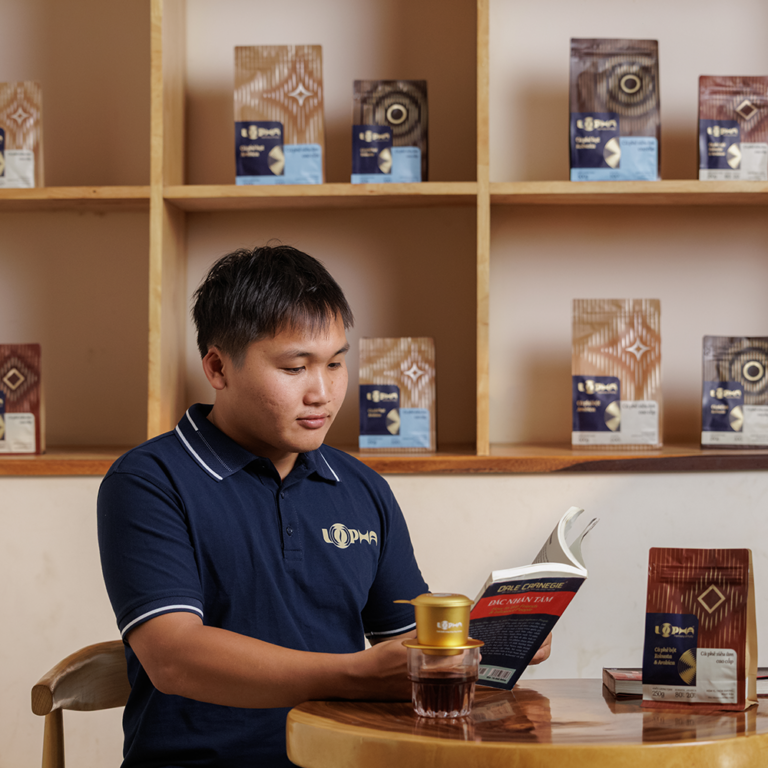
LOPHA develops its Arabica, Robusta and Blend ranges around their distinct sensory profiles, reflecting the move from raw coffee to a complete selection for coffee drinkers.
For example, buyers of a green coffee lot may roast it using several different profiles; at that point, selecting the flavour style is the roaster's responsibility. But when a Vietnamese company packages its own roasted coffee, it must decide what kind of drinking experience to offer. Whole-bean coffee for a café grinder and ground coffee for home phin brewing need different instructions, formats and expectations. Both are Vietnamese coffee, yet the information intended for the end customer changes with how the product will be used.
3. Where Is Added Value Created in the Coffee Chain?
Roasting and packaging do not automatically guarantee higher profits. Beyond the raw material itself, a company must account for equipment, energy, labour, roasting weight loss, packaging, transport, distribution and customer service.
Added value is sustainable only when that work helps a product meet market needs more effectively.
3.1. A Higher Selling Price Does Not Always Mean Higher Profit
Coffee beans lose weight during roasting as water evaporates and heat causes other changes. Comparing the price of a kilogram of green coffee with the price of a kilogram of roasted coffee, without considering this weight loss and the costs of producing the finished product, gives an incomplete picture of profitability.
A brand also needs time to develop sales channels and earn trust. Unsold stock, packaging that does not suit the market, or a product that misses customers' taste preferences can all undermine business performance.
Further processing offers an opportunity to increase value, but it also demands operational capability and an understanding of customers.
Consider a simple illustration: 100 kg of green coffee will not remain 100 kg after roasting, because the beans lose water and some weight during heating. If we assume a 15% weight loss, about 85 kg of roasted coffee remains before packaging and any other losses are taken into account. This is not a figure disclosed for LOPHA; it simply illustrates why comparing selling prices per kilogram must also consider costs and actual yield.
3.2. What Does a Brand Help Customers Recognise?
A brand name becomes meaningful when people associate it with a recognisable experience: clear ingredients, a flavour profile that suits them, transparent origins and consistency from one purchase to the next.
For LOPHA, the three values of Purity, Honesty and Authenticity are tied to its commitment to pure coffee and accurate descriptions of each type of bean. A product should do more than tell an origin story; it needs to live up to what customers expect when they open the bag and brew a cup.
4. How Should Businesses Approach the US and EU Markets?

The United States and European Union should not be treated as one uniform customer group. Even within each market, green coffee importers, retail distributors and restaurant chains have very different business models and requirements.
A company developing products for these markets therefore needs to know exactly which customers it aims to serve, through which channels, and which specific requirements it must meet.
4.1. Transparent Information and Traceability
In the food supply chain, traceability means being able to follow a product's information across businesses and lots. Origin records, receiving histories and transaction documents can help when quality or product information needs to be checked.
In the EU, traceability is also linked to applicable food regulations. Nevertheless, the relevant requirements must be assessed for each product and export model; a single set of documents should not be assumed to cover every shipment.
As LOPHA strengthens the connections between growing regions, production and its product portfolio, it is better positioned to tell its origin story with concrete information.
4.2. Sales Channels Shape Product Development
For roasters buying green beans, specifications and reliable delivery may come first. For retail stores, packaging, product information and repeat purchases matter more. HORECA customers also need consistency and support for use in real-world brewing conditions.
Branded exports therefore call for a product and distribution strategy, not simply selling in more countries. A product suited to Vietnam still requires fresh market research before being introduced to a different international customer group.
5. From Long Phan's Foundations to LOPHA's Development Direction
December 22, 2007 marks the establishment of Long Phan Company. Its business foundations and experience of international markets form part of the story behind LOPHA's subsequent development.
Long Phan's business base was established in 2007. LOPHA's research direction focused on authentic coffee flavour did not take shape until 2016, opening a new stage centred more closely on raw materials and coffee technology.
5.1. Commercial Experience Helps Ask the Right Questions
International trade shows that products must meet concrete requirements covering specifications, information, consistency and coordination between parties. These are commercial responsibilities, but they also encourage companies to look more deeply at quality.
Long Phan's foundations provided the context for that development. In later years, LOPHA shifted its focus towards research into raw materials and technology, and towards creating coffee products with their own distinct identity.
5.2. When Research and Production Become Part of Product Value
LOPHA began researching its approach to purity in 2016, and accelerated production development from 2022. Today, its factory in Lam Dong covers approximately 0.5 hectares and has an annual production output of 300 tonnes of coffee.
The Arabica, Robusta and Blend ranges give customers tangible options they can use and evaluate. In LOPHA's purity journey, its trading foundations, technology research and production development are separate but connected stages, rather than an overnight success story.
6. Vietnamese Coffee's Value Lies in Long-Term Development
Green coffee and branded coffee are not opposing choices. Quality raw materials are the starting point for roasting, while branded products bring businesses closer to coffee drinkers and give them greater responsibility for the experience they deliver.
To keep raising the value of Vietnamese coffee, every link in the chain has a role to play: growers supply the crop, buyers connect sources, factories process the beans, and brands help customers understand and recognise the finished product.
For LOPHA, Long Phan's foundations from 2007 have been carried forward through research and production development, allowing purity and authentic character to become more than aspirations and to be reflected in the coffee choices available today.
A product's value depends not only on where it is sold, but on what customers can understand, experience and trust when they choose it.