LOPHA’s Growing Regions: Building the Foundation for Clean Coffee
Summary: Growing regions are where coffee beans develop characteristics shaped by variety, soil, water, and season. LOPHA's story in Lâm Đồng involves Robusta, its initial growing area, and growing partnerships with cooperatives.
Long before a cup can offer memorable aromas or an aftertaste, the beans have spent months growing through sun and rain. Coffee plants take up water and nutrients and respond to soil, weather, and care. For LOPHA, understanding its growing regions means understanding where the quality journey really begins.
Developing growing-region activities in Lâm Đồng during the transition from 2022 gave LOPHA a new perspective. After concentrating on technology research, the coffee story moved closer to the growers, natural conditions, and decisions made before materials arrive at the factory. The farms therefore do more than supply beans: they help shape the product's character.
When Origin Becomes Part of Flavor
On coffee packaging, the growing region is often named beside the variety or roast level. For drinkers, it can guide a purchase. For coffee makers, origin adds information that helps explain why raw materials differ in structure, condition, and flavor after processing.
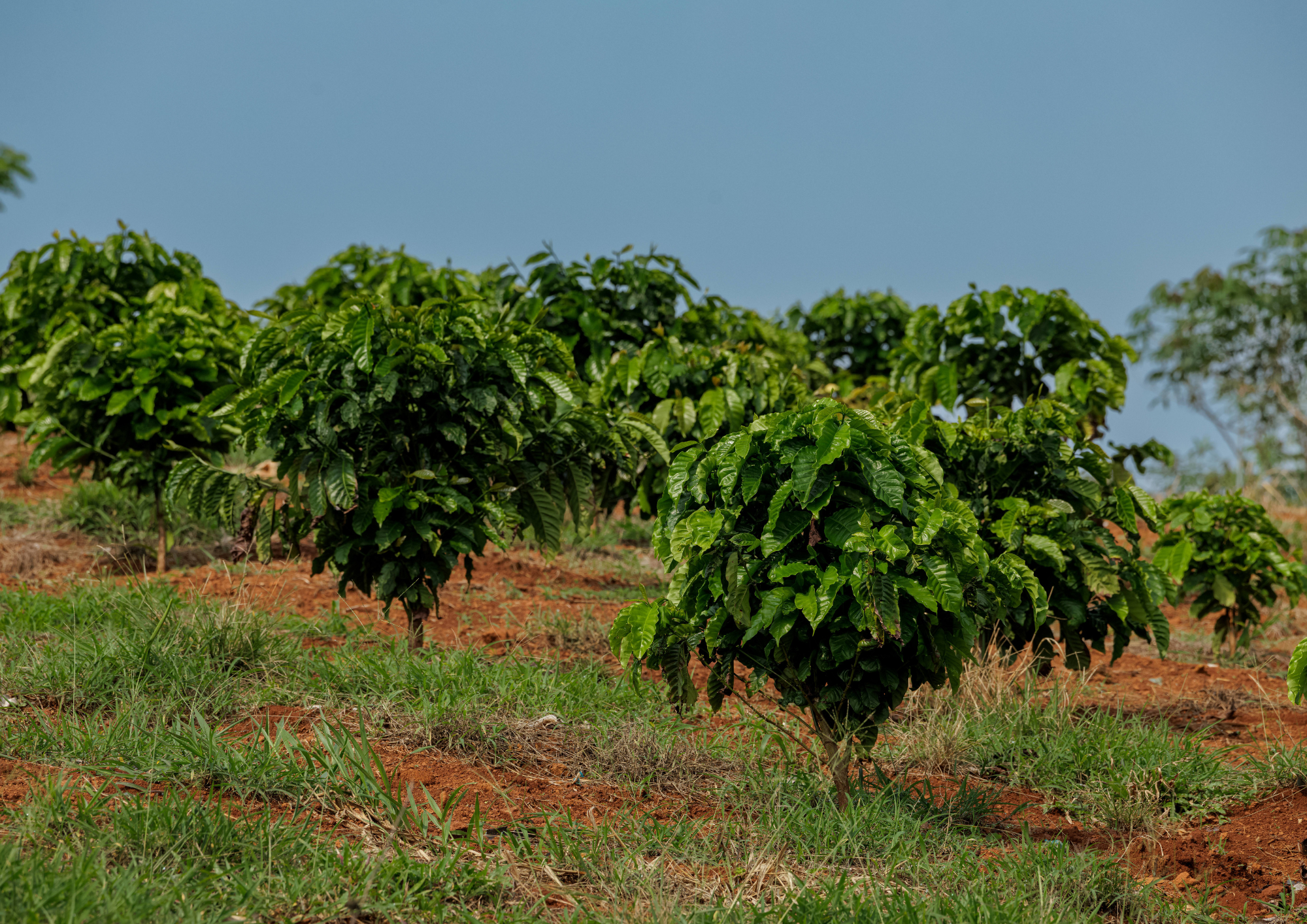
No two harvest seasons are exactly alike. Early or late rain, the duration of sunshine, soil conditions, and plant care can all make a difference. Two Robusta lots need not have identical characteristics. The goal is not to erase every difference, but to understand them and select suitable approaches for later stages.
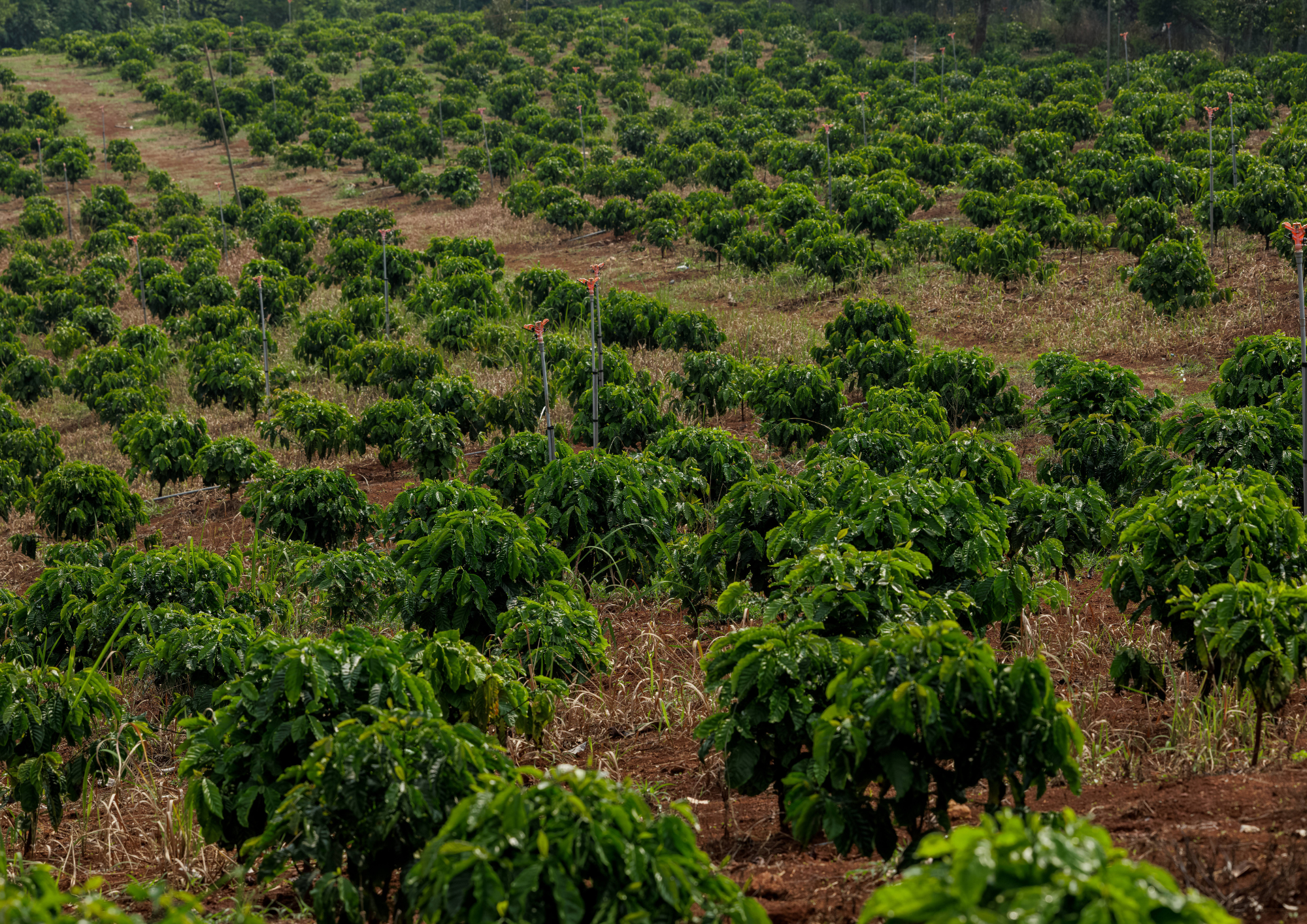
The initial growing area of approximately 10 hectares in Lâm Đồng is associated with Robusta and yields around 55 tonnes of fresh coffee cherries per year. These figures describe the growing region, where beans develop before factory processing. From the harvest onward, LOPHA works to understand raw-material properties and connect them with product development goals.
Figures help us picture the starting point, but they do not replace the story of how beans develop. Coffee carries the influence of its land, the people who care for it, and changes over time. Understanding those influences helps the brand avoid treating beans as identical simply because they share a commercial name.
Robusta and a New Perspective on Vietnamese Coffee
In Vietnam's coffee culture, Robusta is closely associated with a rich phin-brewed cup, pronounced bitterness, and a long finish. For LOPHA, studying this variety is important to developing raw materials with a Vietnamese identity and connecting farming knowledge with its goal of making pure coffee.
As consumers become more interested in ingredients and origin, Robusta deserves to be considered on more grounds than intensity alone. A good product should be transparent about the bean variety, intended use, and flavor profile. Questions about raw materials, growing methods, and post-harvest conditions are increasingly relevant too.
Beyond its traditional place in Vietnamese coffee culture, Robusta offers opportunities for products with a clear identity in origin and ingredients. LOPHA keeps this in mind when offering coffee for homes, offices, and business partners. Bean origin, product information, and supply consistency all contribute to lasting value.
This also helps avoid an oversimplified view of clean coffee. Coffee quality cannot be judged from a sensory description alone; it results from many connected decisions. Respect for origin therefore reveals something about the depth of a brand's responsibility for its products.
Soil, Water, and Growing Conditions in the Quality Story
Soil and water rarely appear on the front of a coffee bag, yet they affect how the plants grow. A suitable growing region needs more than acreage; growers also consider harvest seasons, water sources, soil conditions, and changes that could affect plant health.
For LOPHA, raw-material research means understanding those factors rather than evaluating the beans only after harvest. Looking at the history of plant care, the choice of agricultural inputs, and crop conditions over time provides a fuller view of coffee's origins. This information matters when a business wants lasting links between growers and the factory.
Each growing region has its own climate, soils, and farming practices. Building a reliable supply requires understanding and sustained cooperation with growers rather than rigidly imposing one method everywhere. LOPHA gives this approach priority when connecting growing regions with production.
Within LOPHA's journey, the story of soil, water, and plant care highlights an important principle: what happens before harvest can influence raw materials in later stages. That is why the factory needs to understand where each lot began instead of assuming all incoming beans are the same.
Growers and the Connections Behind a Growing Region
A growing region is not defined only by lines on a map. It is also created by people who care for plants, follow the seasons, and make specific choices in their daily work. Growers' experience has a value that no factory report can replace.
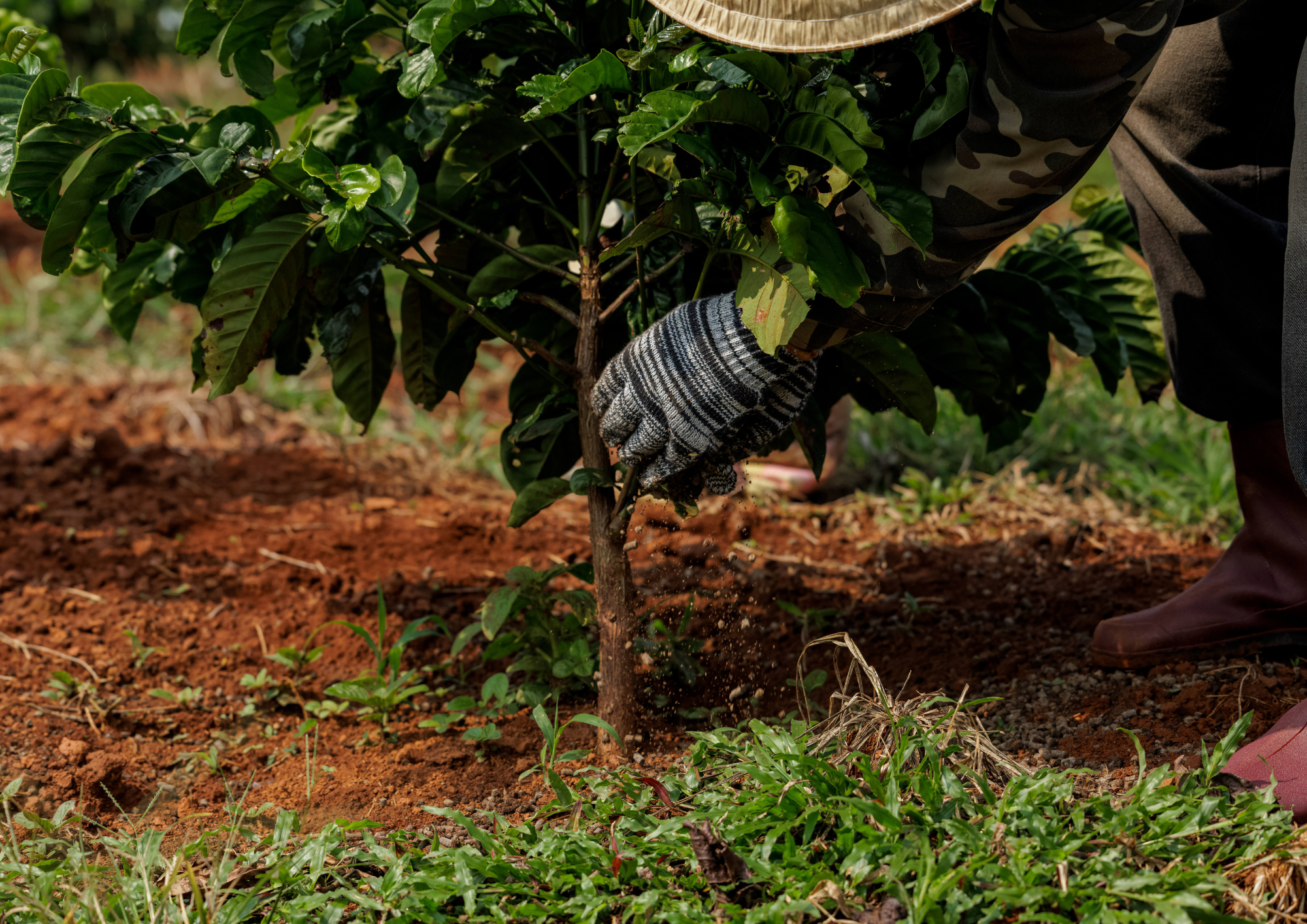
LOPHA currently works with ten cooperatives in its raw-material network. This reflects the present scale of those partnerships and may expand. Cooperation creates opportunities to share needs between raw-material producers and finished-product processors, helping each side better understand the other's work.
Growers understand coffee plants, weather, soil, and growth. The factory understands incoming-material requirements, processing, and desired product characteristics. Sharing that knowledge helps both sides make better decisions within their responsibilities. The connection extends beyond one harvest and helps build lasting relationships.
Coffee drinkers may not hear the names of cooperatives in every story about their cup. Yet the value of those partnerships appears indirectly through the brand's attention to origin and its early responsibility for quality. A cup of coffee therefore connects many more people than a factory or roaster alone.
Linking Farms and Factory to Preserve Bean Character
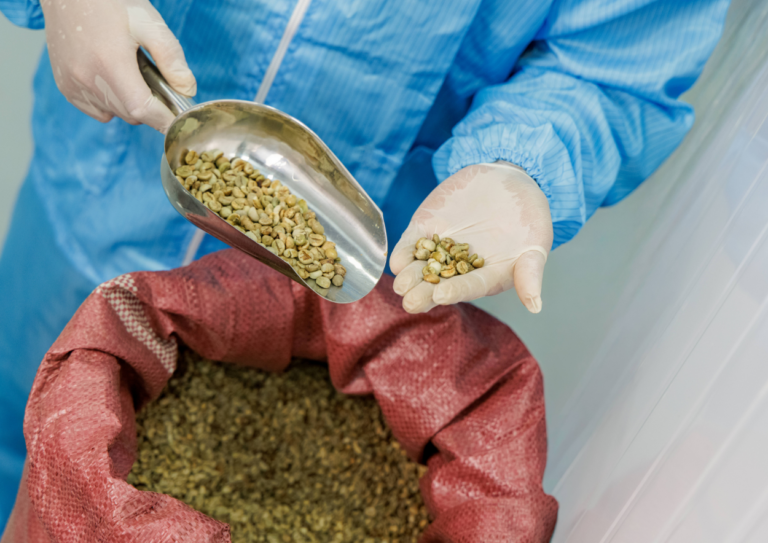
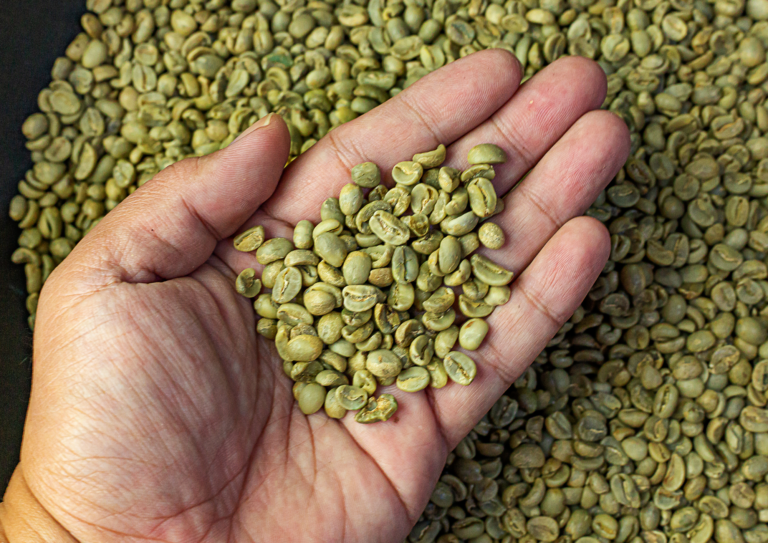
Raw materials do not arrive at the factory as a completely new beginning. The beans already have a history: growth, ripening, harvesting, and preparation before further processing. Focusing only on the final equipment would ignore important decisions made at origin.
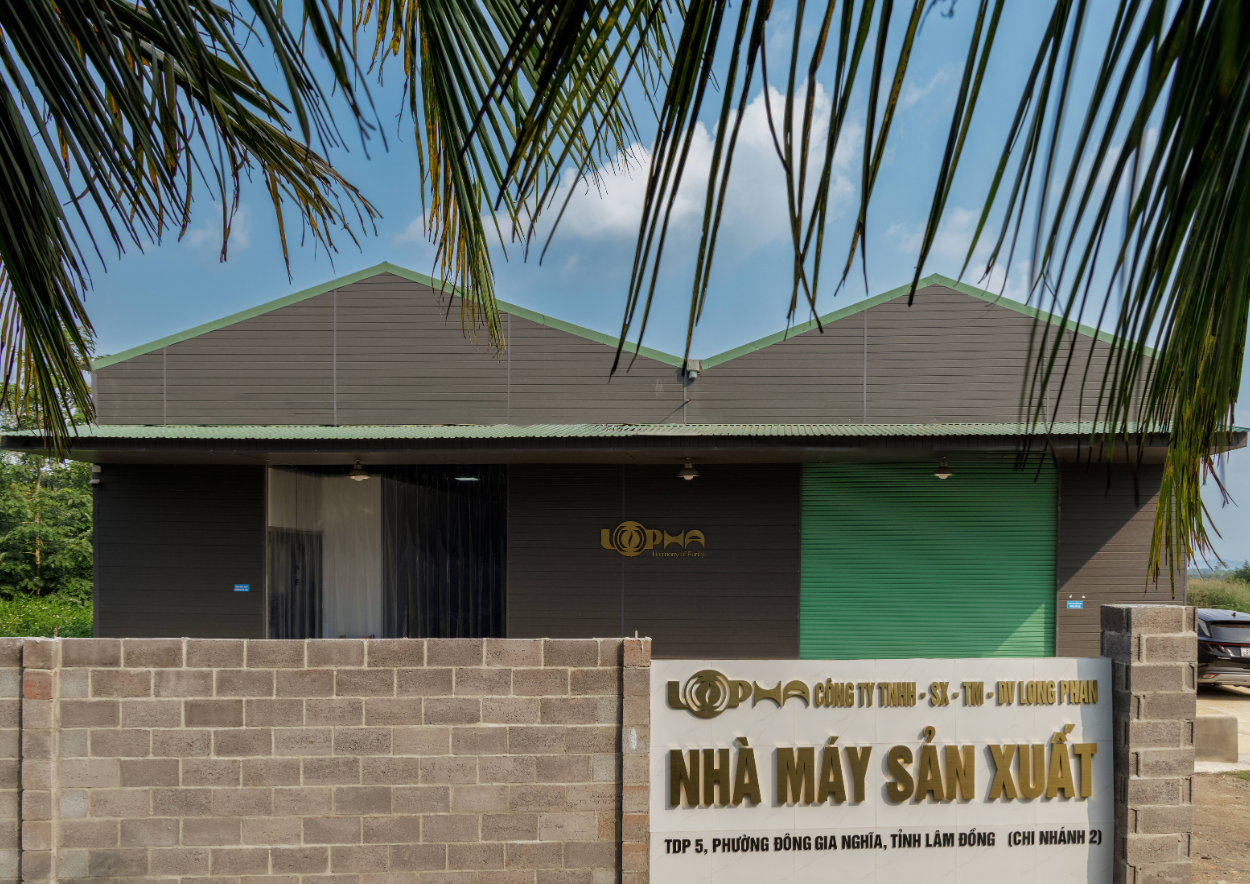
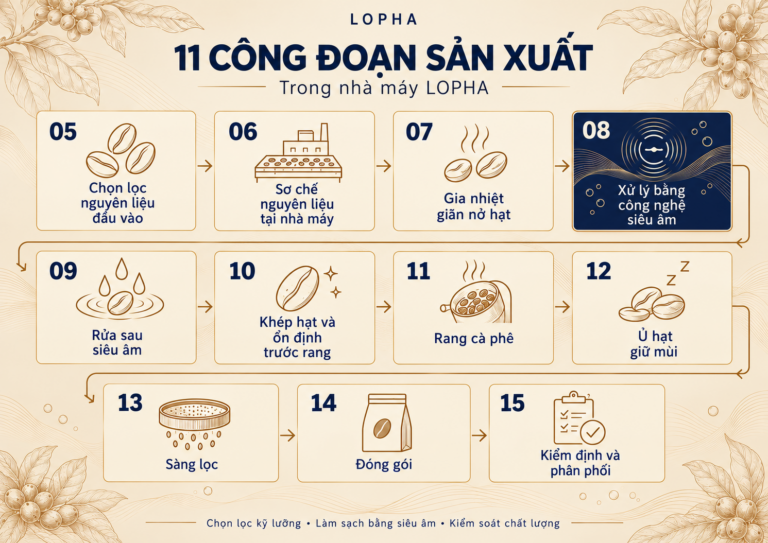
LOPHA sees growing regions as part of the same journey. Raw-material research complements the years spent exploring technology; the factory's production system continues what was started upstream. When these two sides connect, purity can become a consistent approach rather than a highlight of one stage.
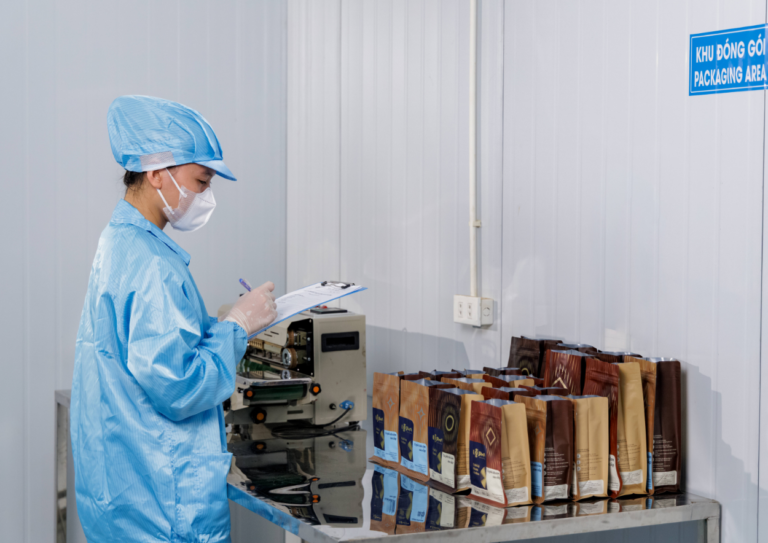
Today, LOPHA's factory in Lâm Đồng occupies approximately 0.5 hectares and produces 300 tonnes of coffee per year. That capacity helps the brand serve more drinkers, while the network of ten cooperatives connects processing with supply. These current scales may change as the business continues developing.
Ultimately, the value of a growing region lies in more than its area or beautiful images of ripe cherries. It deserves recognition because that is where beans develop their individual characteristics and many people contribute their work. For LOPHA, building the foundation for clean coffee also means learning to listen to the beans from the earliest stages of their journey.