From Coffee Bean to Brand: Building Value Across the Production Chain
Summary: A coffee brand is built on more than packaging or the taste of a single cup. Its value also comes from the growing region, the production process, origin information and the customer experience. LOPHA's journey from eleven factory processes to fifteen steps linked with the source shows how every part of the chain contributes to purity, honesty and a distinct product identity.
People may choose a bag of coffee for its aroma, packaging colours or a friend's recommendation. But to keep them coming back, a product needs to offer qualities they can experience and trust over time. Those qualities do not arise solely at the last stage of production.
The journey from coffee bean to brand brings small decisions together to create lasting value. For LOPHA Coffee, ten years of research and development have gradually connected growing regions, factories, technology and finished products. Looking beyond eleven factory processes to a fifteen-step journey that includes upstream activities, the larger story is not the number of stages, but how the whole coffee chain helps create a brand with a distinctive identity.
1. What Is the Coffee Value Chain and Why Does It Matter?
Put simply, a value chain is a sequence of activities in which different participants contribute to turning raw materials into products that reach customers. In coffee, this involves growers, buyers, initial processors, factories, distributors and ultimately the people who drink it.
1.1. Each Link Contributes a Different Kind of Value
Growers lay the foundation through raw materials. Processors and suppliers prepare coffee for subsequent stages. Factories organise further processing and finishing. Distribution networks bring products to the people who need them.
No single link accounts for the full value of coffee. Good raw materials need to be used appropriately, while well-developed roasted products also require clear information and reliable sales channels.
1.2. How Is a Value Chain Different from a List of Processes?
A list of processes describes the sequence of technical tasks. A value chain is broader: it also includes relationships between parties, costs, information and responsibilities towards customers.
LOPHA's 15-step journey follows coffee from its source to the finished product. For buyers, those connections matter when product information is clear, flavour remains suitably consistent and there is an accountable business to contact when support is needed.
2. What Matters to Consumers Beyond Flavour?
A cup that suits someone's taste is a good starting point, but buyers now have more information available to guide their choices. They may consider ingredients, origin, best-before dates, brewing methods and the responsibilities of the producer.
2.1. Clear Ingredients Leave Less to Guesswork
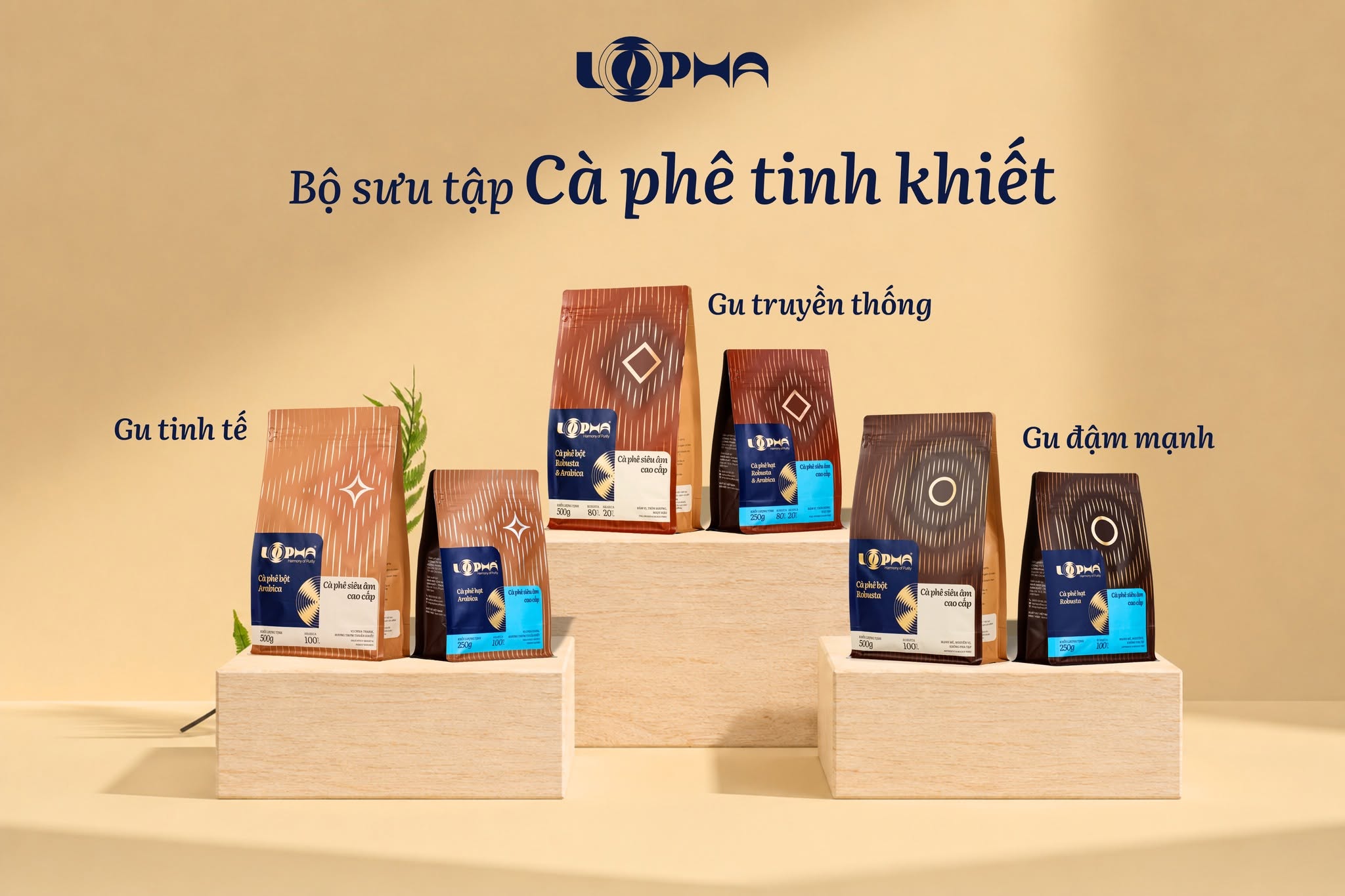
When a bag states 100% Arabica, buyers can expect characteristics associated with Arabica. If it is an 80% Robusta – 20% Arabica Blend, the ratio makes clear that it differs from a single-variety coffee.
Transparency therefore forms part of the experience. Rather than simply hearing a brand say its coffee is 'good', buyers can understand which tastes a product is intended for.
2.2. Origin Matters When It Is Explained Clearly
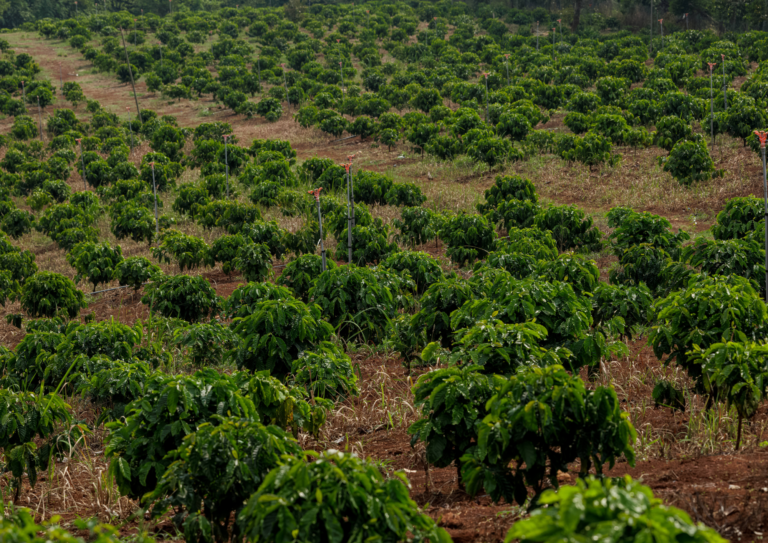
An attractive place name on packaging does not tell the whole story of quality. But when growing-region information is connected to seasons, partners and production, that story becomes more concrete.
LOPHA has an initial Robusta growing area of about 10 hectares, producing approximately 55 tonnes of fresh cherries annually, alongside partnerships with 10 cooperatives. These figures reveal different foundations of its supply chain; they should not be used to suggest all its products come solely from one 10-hectare area.
For buyers, 'Lam Dong, Vietnam' identifies an origin but does not fully describe a product. When that origin information is paired with 100% Arabica or 100% Robusta ingredients, brewing guidance and an appropriate sensory description, customers have a better basis for comparing products. What a brand needs to communicate is not the longest possible list of achievements, but information connected to the customer's actual experience.
3. How Does Production Help Build Brand Value?
When a brand has well-organised production activities, it is better placed to develop products and monitor quality according to its chosen direction. This matters to individual consumers and business customers alike.
3.1. Technology Is Part of the Identity, Not All of It
LOPHA applies ultrasonic technology to help clean bean surfaces before roasting. This is a distinctive part of its production approach. Yet coffee value is not determined by machinery alone, but also by the raw materials, roasting, finishing and delivery of the product to customers.
The most useful way to tell the technology story is therefore to place it within LOPHA's full coffee production process, rather than turning one stage into a promise to solve every problem.
3.2. Factory Scale Supports Commercial Operations
LOPHA's factory in Lam Dong covers approximately 0.5 hectares and currently produces 300 tonnes of coffee per year. These figures provide a sense of the foundation the brand has built as it moved from research into production.
For B2B buyers, having a production facility together with the ability to discuss specifications and supply planning is worth considering. For individual customers, the final value still shows through product quality and clear information.
4. Why Does a Strong Value Chain Still Need the Right Market?
Technical achievements and investment do not automatically translate into sales if a product does not suit its customers. A coffee with pronounced acidity may be highly valued by Arabica lovers, while someone who prefers strong phin coffee may choose Robusta.
4.1. No Single Coffee Taste Suits Everyone
LOPHA's 100% Arabica, 100% Robusta and Blend ranges reflect different ways of enjoying coffee. Developing a portfolio is not simply about adding more products; it helps customers find their preferred taste.
A product that suits one person may not be the right choice for someone else. Brands should therefore describe flavours honestly instead of promising that one style will satisfy everyone.
4.2. Distribution Connects Quality with Experience
Even an excellent product needs to reach the right buyer at the right time and in suitable condition. From LOPHA Coffee's retail channels to solutions for cafés, restaurants, hotels and offices, each channel has different product and support needs.
For business customers, reliable stock and good coordination can matter as much as flavour. For home drinkers, usage and storage guidance can directly shape their experience.
Someone buying a 250 g bag for home brewing needs to consider the format, best-before date and storage after opening. A café using coffee every day also needs to ask about scheduled deliveries and beans suited to its equipment. Within the same brand, service and useful information must adapt to each channel. Supply-chain value is therefore felt through very practical things: the right product for the need, clear descriptions and support when an issue arises.
5. From Eleven Processes to Fifteen Steps: The Value of Connection
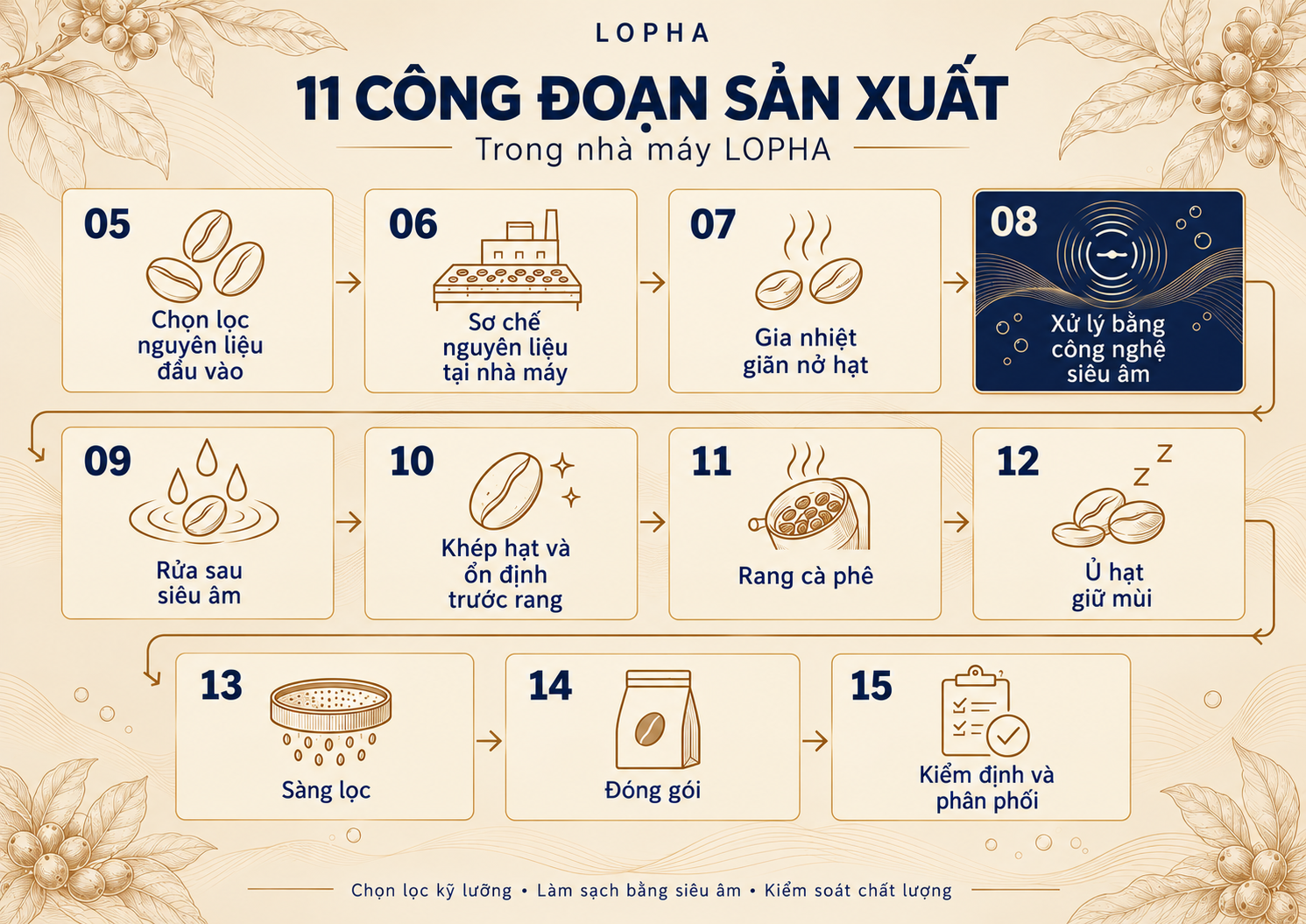
During the 2022–2025 production development period, LOPHA completed its system of eleven factory processes. In 2025, renewed attention to work done before the beans reached the factory broadened the story into a fifteen-step journey: four upstream steps followed by eleven factory processes.
5.1. Fifteen Steps Are Not Fifteen Separate Promises
Every stage has its own purpose and limits. Upstream work influences the condition of raw materials; subsequent stages prepare, treat and finish the beans. No single process can guarantee every characteristic of a product by itself.
Looking at the whole chain reveals connections and responsibilities. It helps us avoid imagining that quality begins only when the roaster is switched on or after a product is packaged.
5.2. What Does a Whole-Chain Perspective Give a Brand?
Understanding the links in the chain helps a company explain why its choices of raw materials, technology and production arrangements matter. Its brand story can then be grounded in real work rather than relying solely on emotion or slogans.
From years of research to establishing the fifteen-step process, LOPHA has gradually connected growing regions, technology and its factory. These connections make purity visible at many points in the chain, rather than only as a message printed on the packaging.
6. How Are Purity, Honesty and Authenticity Expressed?
Purity reflects LOPHA's commitment to pure coffee and careful attention to its raw materials. Honesty emphasises truthful ingredient and product information. Authenticity means valuing natural flavour, without trying to make Arabica and Robusta taste like the same type of coffee.
These values become convincing when drinkers see consistency between the story, the product and their own experience. A commitment has lasting meaning only when it can be connected to what the business actually does.
7. The Value Chain Provides a Foundation for the Journey Ahead
Ten years of research and development have helped LOPHA connect activities that are easy to view in isolation: raw materials, technology, the factory, finished products and customers. That foundation does not mean the work is finished; markets and harvest seasons will keep presenting new demands.
The coffee chain's greatest value lies in maintaining responsibility at every link so buyers can understand where their product comes from and know what experience to expect.
For LOPHA, purity is not something that appears only at the end of the journey. It is a commitment to be upheld as coffee travels from its growing region to the drinker's cup.