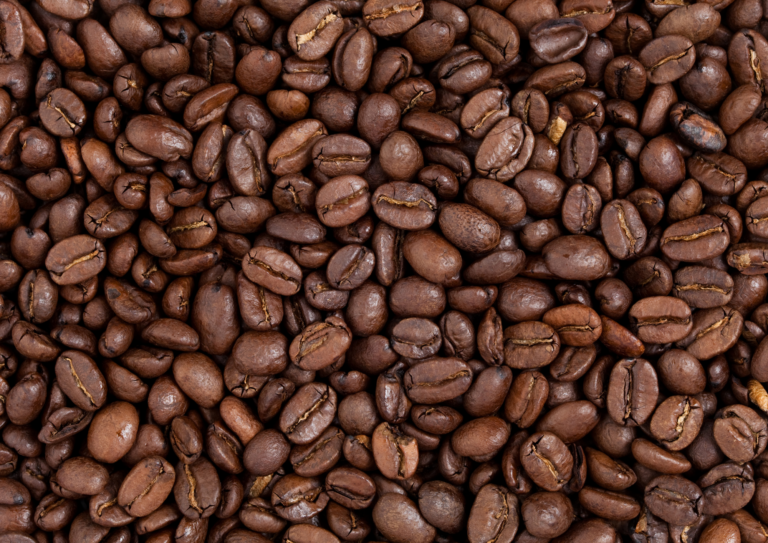
Pure Coffee: From Scientific Evidence to Consumer Trust
Summary: Pure coffee does not have to taste intensely bitter or brew into an exceptionally dark cup. Each coffee variety has its own natural characteristics, from Arabica's pronounced acidity to Robusta's full body and distinct bitterness. Understanding ingredients, aroma and processing helps drinkers make better-informed choices. For LOPHA Coffee, the journey to rediscover authentic coffee flavour that began in 2016 goes hand in hand with a commitment to 100% pure coffee, clear product information and respect for the character of each bean.
Does a strongly bitter cup necessarily mean the coffee is pure? Why can coffee have chocolate notes without containing chocolate? And when choosing Arabica, Robusta or a Blend, what should you pay attention to?
Aroma and taste often shape our first impressions, but a coffee's colour, bitterness and smell cannot tell us everything about its ingredients. These characteristics are also influenced by the bean's natural makeup, roast level and brewing method.
Understanding what pure coffee really means helps us choose based on useful information rather than hearsay. That is also something LOPHA values in its journey, begun in 2016, to rediscover the authentic flavour of coffee.
1. What Exactly Is Pure Coffee?
In everyday terms, pure coffee is made from coffee without adding other ingredients to replace part of it or create undisclosed characteristics. A bag of pure coffee can contain 100% Arabica, 100% Robusta or a blend of the two.
What matters is not using just one species, but ensuring the actual ingredients match the product description. A blend of 80% Robusta and 20% Arabica is still made entirely from coffee.
1.1. Blending Is Not the Same as Adulteration
Blending means combining different coffee beans to achieve a desired flavour. Robusta typically has a fuller body and distinct bitterness, while Arabica is known for delicate aromas and pronounced acidity. When combined in suitable proportions, their characteristics can complement each other.
Adulteration is different. It may involve adding non-coffee ingredients without disclosure or misrepresenting the actual composition. A bag labelled 100% Arabica that contains undisclosed Robusta has inaccurate labelling; it does not mean Robusta itself is an adulterant.
1.2. Why Does Clear Ingredient Information Matter?
Two similarly packaged bags of coffee may produce different experiences if their bean ratios differ. Ingredient information is the first clue to the flavour profile customers can expect before buying.
LOPHA clearly distinguishes its 100% Arabica, 100% Robusta and Blend ranges. This transparency allows drinkers to choose what suits them, rather than being expected to enjoy the same style of coffee.
2. Can Bitterness and Brew Colour Tell You Whether Coffee Is Pure?
For many Vietnamese coffee drinkers, bold bitterness is part of the morning ritual. But bitterness is a sensory characteristic, not an ingredient test. Even with the same type of bean, different roasts and brewing recipes can produce noticeably different tastes.
2.1. How Do Acidity and Bitterness Develop?
Coffee beans contain caffeine, organic acids and many other compounds involved in flavour development. Caffeine contributes to bitterness, but compounds formed during roasting also affect the taste. Organic acids are among the contributors to acidity.
Pronounced acidity can therefore be a natural feature of Arabica, not necessarily a sign that the coffee has spoiled. Robusta's stronger bitterness does not make it any purer than Arabica. What matters is assessing each coffee in the context of its bean characteristics and how it is brewed.
2.2. Can You Trust Popular Water Tests for Coffee?
Some popular tips claim to judge coffee by the colour of the water or whether ground coffee floats or sinks. In reality, brew colour changes with roast level, coffee dose and extraction time. Floating and sinking also depend on grind size, bean structure after roasting, trapped gases and how quickly water is absorbed.
These effects can be observed, but they do not reliably reveal whether other ingredients have been added. Sensory evaluation tells us whether we enjoy a coffee; ingredient and origin information provides a firmer basis for choosing it.
3. Where Do Coffee's Natural Aromas Come From?
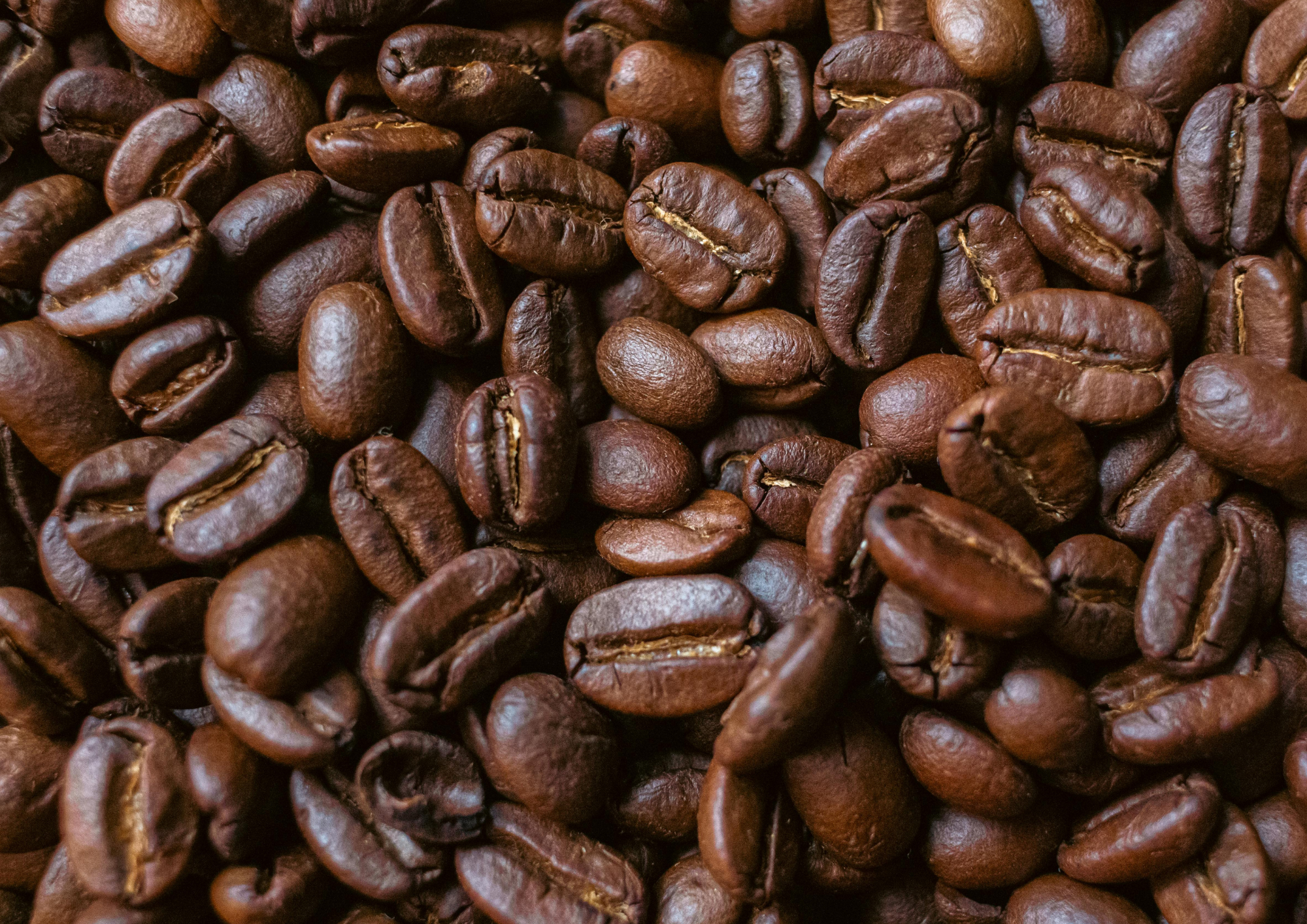
A cup of pure coffee may naturally remind us of chocolate, caramel, toasted nuts or fruit. This richness comes from the bean's natural components and the changes that occur during processing, particularly roasting.
3.1. What Happens When Coffee Beans Are Roasted?
Green beans contain many aroma precursors. As heat is applied, these compounds undergo changes and help produce characteristic aromas. One important process is the Maillard reaction, which takes place between reducing sugars and amino-containing compounds.
Think of the smell of freshly toasted bread: heat changes both its colour and aroma. In coffee, Maillard reactions work alongside many other reactions to create roasted, nutty and caramel-like notes. That is why two pure coffees roasted differently can offer distinct experiences.
3.2. Does a Chocolate Note Mean Chocolate Flavouring Was Added?
Not necessarily. When someone describes a coffee as having chocolate notes, they usually mean its aroma reminds them of chocolate, not that chocolate is an ingredient. Descriptions such as nutty or fruity notes work in much the same way.
Of course, some coffee products do contain added flavourings, so smell alone cannot establish what is inside. LOPHA is committed to pure coffee without added flavourings or chemical colouring, while respecting each bean's distinctive flavour character.
4. How Do Arabica and Robusta Differ?
Arabica is often appreciated for its delicate aroma, pronounced acidity and lighter finish. Robusta stands out for its full body, clear bitterness and lingering aftertaste. Some of these differences are rooted in their natural chemical composition.
4.1. Caffeine and Differences in Composition
According to a monograph published by the International Agency for Research on Cancer (IARC, 1991), the average caffeine content of green beans on a dry-weight basis is approximately 1.2% for Arabica and 2.2% for Robusta. Based on these averages, Robusta contains nearly 1.8 times as much caffeine.
Caffeine does not account for all bitterness, nor does this mean that every cup of Robusta contains exactly 1.8 times the caffeine of every cup of Arabica. Dose, cup size and extraction method all affect the caffeine in a drink. The difference helps explain part of each variety's character, but it is not the only measure of quality.
4.2. Three LOPHA Coffee Options for Different Tastes
LOPHA 100% Arabica has pronounced acidity, a delicate aroma and a light finish, making it appealing to those who enjoy a brighter cup. LOPHA 100% Robusta offers full body, distinct bitterness and a lingering finish, familiar to fans of strong Vietnamese phin coffee.
LOPHA Blend 80% Robusta – 20% Arabica brings these traits together, combining body with a balanced aroma and gentle acidity. They offer different experiences, yet all are aligned with LOPHA's commitment to 100% pure coffee ingredients.
5. What Makes a Coffee Product Worth Trusting?
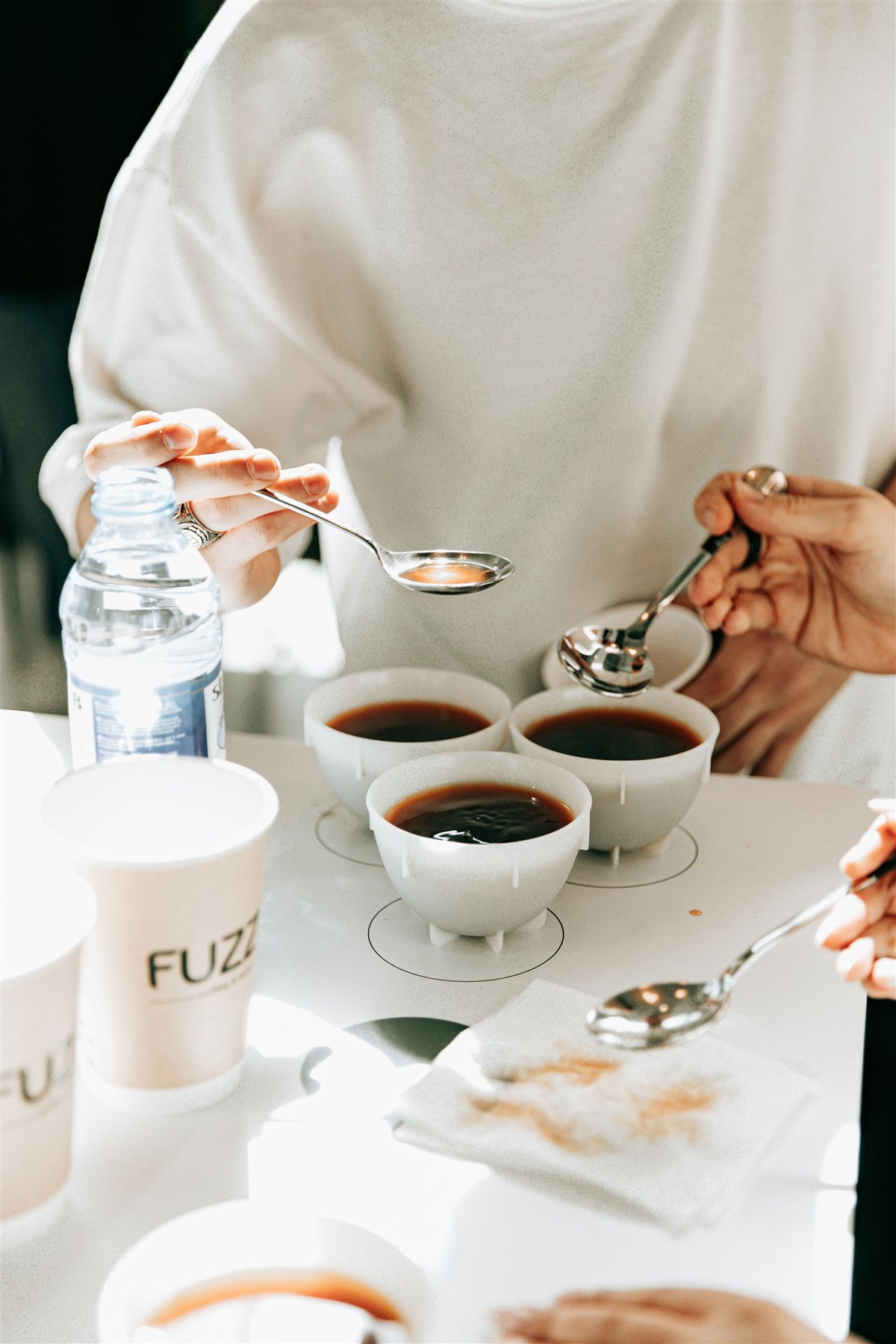
Flavour may make a strong first impression, but trust grows when product information and the actual experience remain consistent. Pure ingredients matter, although they are only one part of quality.
5.1. Purity Is Not the Whole Story of Quality
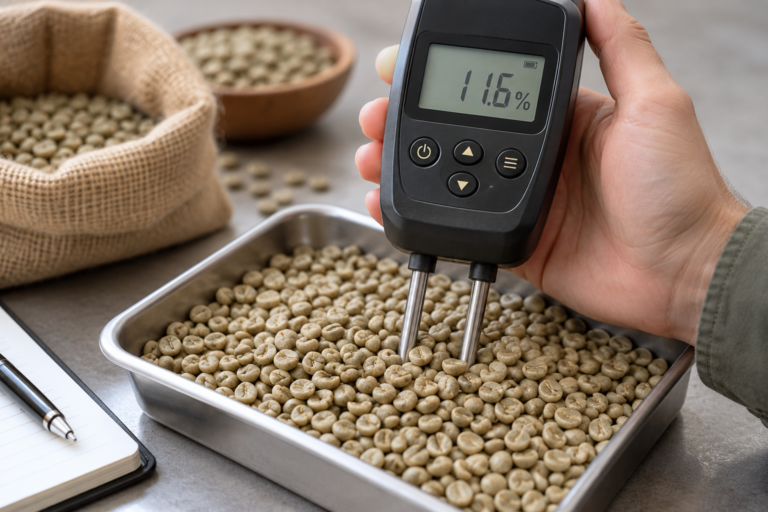
Coffee made from 100% coffee beans still needs proper storage, processing and packaging. Unsuitable moisture conditions can cause raw material quality to decline; after opening, prolonged exposure to air can alter the aroma of the roasted coffee.
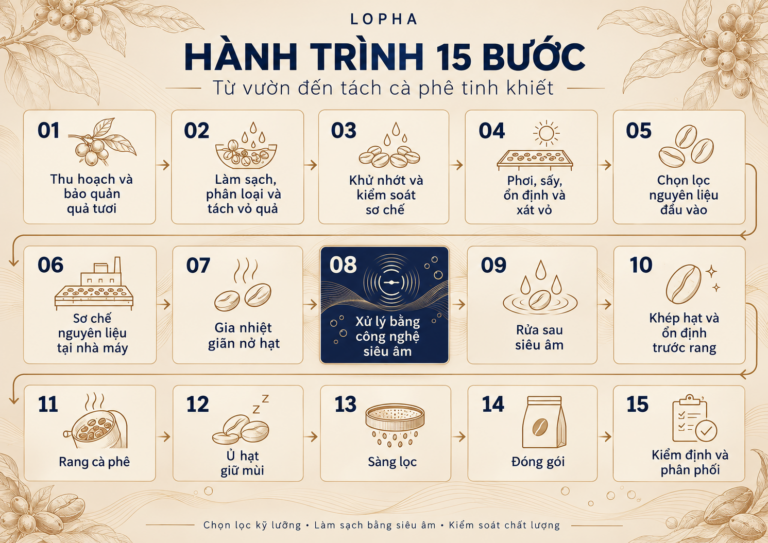
At LOPHA, research into pre-roast treatment and the development of the coffee production process reflect a view of quality that spans many stages. Ultrasonic technology helps clean the bean surface in water, working alongside other processes rather than replacing all other quality controls.
5.2. Origins and Product Information Build Trust
Ingredient lists, net weight, production dates, best-before dates and storage instructions all provide practical value. A bag of Robusta creates different expectations from a Blend; accurate descriptions help people choose a taste they enjoy and use the product with confidence.
The Specialty Coffee Association's approach to coffee value also recognises that information such as origin and production history has a role alongside sensory qualities. For LOPHA, openness about its raw materials, products and production helps build a lasting relationship with coffee drinkers.
When choosing coffee, buyers can check three things on the label: the bean variety or blend ratio, whether the coffee is whole-bean or ground, and how it should be stored. For example, an 80% Robusta – 20% Arabica Blend creates different expectations from 100% Arabica. If the product matches your taste but the brewed result is disappointing, it may help to review grind size, dose and brewing equipment before concluding that the coffee itself is poor quality.
6. LOPHA's Journey to Preserve Authentic Flavour
In 2016, a memorable coffee-tasting experience inspired LOPHA's desire to rediscover authentic flavour. From that moment, the brand began taking a deeper interest in raw materials and the factors that affect the bean before it becomes roasted coffee.
The years 2016–2022 were devoted to researching and exploring suitable processing methods. An important direction was the use of ultrasonic technology to help clean the bean surface. Over subsequent stages, that approach became connected to production, as reflected in LOPHA's purity journey.
Purity, Honesty and Authenticity express LOPHA's commitment to pure ingredients, truthful information and respect for each bean's character. Arabica does not have to taste as intensely bitter as Robusta to be valuable; the important thing is that people understand what they are choosing.
7. Trust Begins with Clear Information
Pure coffee does not have one fixed brew colour, bitterness level or aroma. Arabica, Robusta and Blends each create a different experience, revealing the diversity of coffee itself.
For LOPHA, the attention paid to ingredients and research since 2016 is carried forward in today's product selection. Coffee worth trusting should suit the drinker's taste, but it also needs clear information about raw materials, origins and what the brand actually provides.
A memorable cup is remembered for its flavour; trust is built on the consistency behind it.