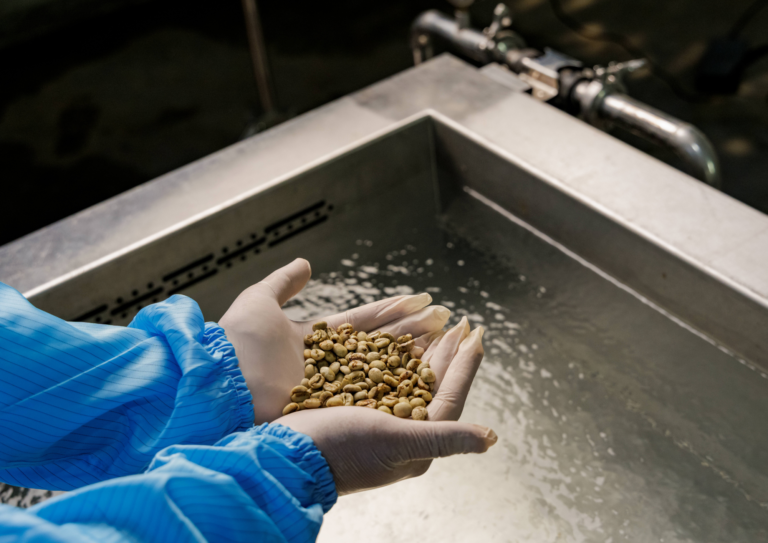
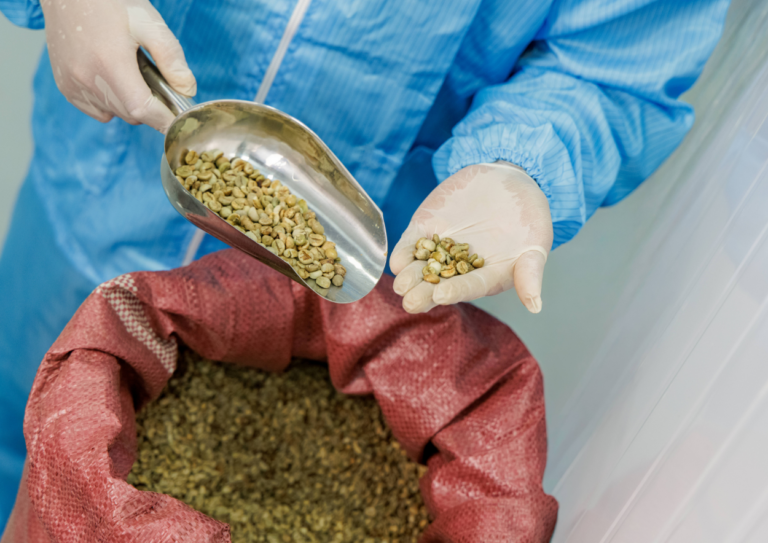
Connecting Coffee-Growing Regions and Factories: The Foundation of a Coffee Supply Chain
Summary: Before coffee beans reach the factory, they have already passed through several stages and several hands. Coordinating harvest schedules, deliveries, lot codes and responsibilities helps reduce mix-ups and supports quality management from an earlier point. LOPHA's return to the source in 2025 emphasises that purity is not only a matter of what happens inside the factory; it also depends on how people share information before raw materials arrive.
Before a sack of green coffee reaches the factory gate, it has passed through many hands. Farmers follow the season and harvest the cherries, processing facilities receive the fresh fruit, cooperatives may coordinate supply, and producers must plan how to receive the beans.
When these parties do not exchange information in time, a lot that was in good condition in the growing region may still encounter difficulties during transport and delivery. That is why LOPHA's renewed focus on processing at source in 2025 concerns not only bean-processing techniques but also how different parties coordinate before the material arrives at the factory.
1. Why Should a Factory Care About What Happens Before the Gate?
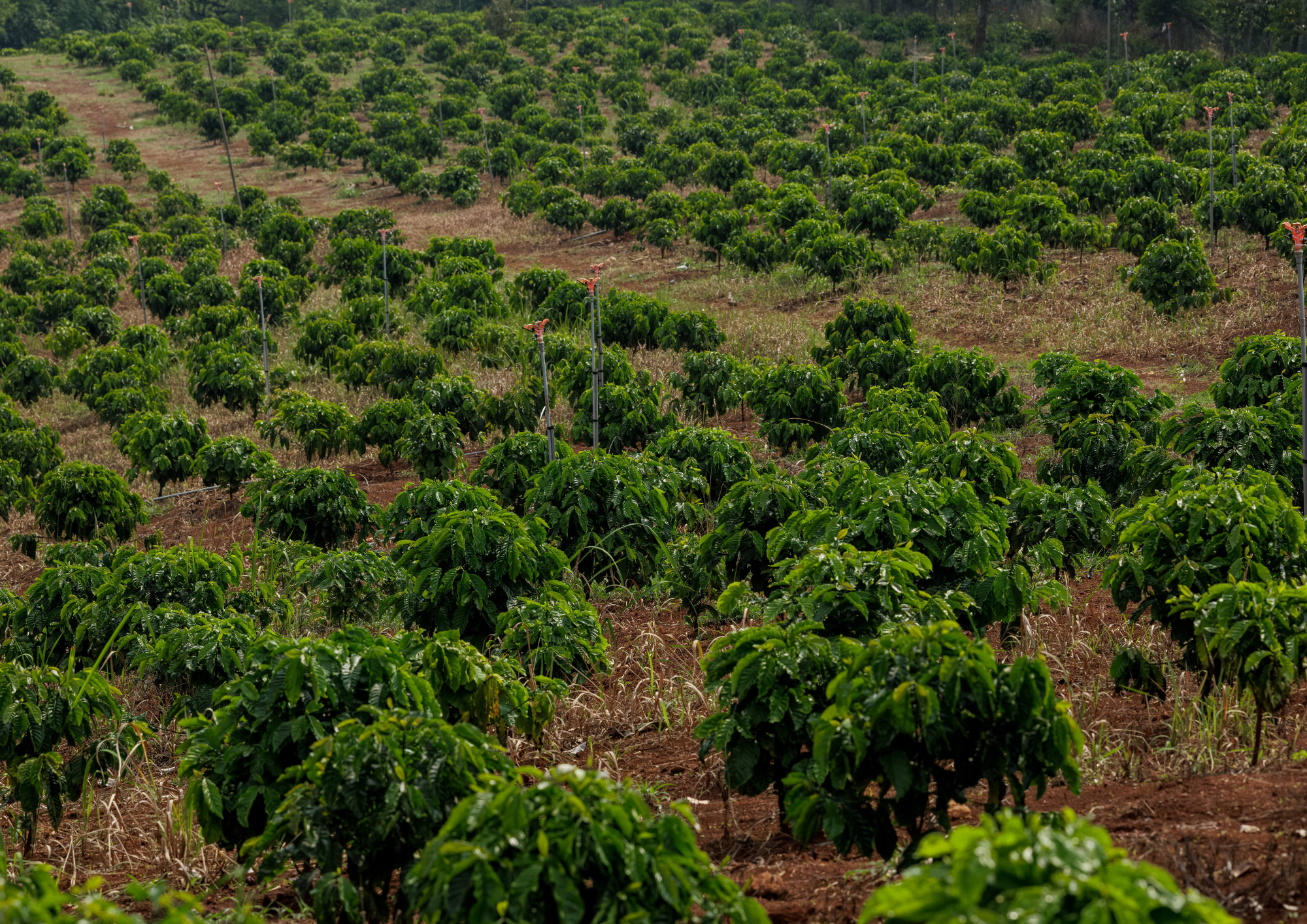
A factory receives raw materials at a particular moment, but the condition of each lot has already been influenced by earlier activities. The time between harvesting and processing, transport conditions and origin information can all affect how the beans can be used later.
1.1. Part of Quality's Story Begins at the Source
Once beans reach the factory, some raw material issues cannot be completely reversed by later steps. Large foreign materials mixed into a lot or unsuitable storage history may make subsequent preparation more complicated.
Paying attention to the source therefore allows quality management to begin before the coffee arrives at the factory. In LOPHA's 15-step journey, harvesting, initial processing and factory treatment follow one another; at every handover, lot information and the responsible parties need to be clearly recorded.
1.2. Coordination Starts with a Shared Schedule
When an initial processing facility knows when fresh cherries are likely to arrive, it can prepare staff and space more proactively. When the factory knows the expected arrival time of the raw material, its receiving team can plan accordingly.
Every harvest is subject to change, so plans need an update mechanism rather than treating every date as fixed. A timely conversation can sometimes prevent a great deal of unnecessary waiting.
2. Who Is Responsible at Each Upstream Stage?
Growers, cooperatives, initial processors and factories do not perform the same work. Effective coordination respects each party's actual responsibilities while clarifying where information and raw materials change hands.
2.1. What Roles Do Growers and Cooperatives Play?
Growers understand their farms, when the cherries ripen and how the season is changing. Cooperatives may help gather information, stay in touch with members and coordinate deliveries according to their operating model.
It should not be assumed that every cooperative operates a processing facility or has the same technical responsibilities. Each party's scope must be determined by the actual circumstances and agreements.
2.2. What Should Processing Facilities and Factories Discuss?
Initial processing facilities are responsible for treating raw materials within their agreed scope and providing the necessary lot information. Factories need to establish receiving criteria and ways of responding when a lot arrives in a different condition from what was expected.
Practical questions include: where did this lot come from, what processing has it undergone, when is it due to arrive and what should the receiving team know? Clear answers help prevent confusion as beans pass between different parties.
3. What Information Should Travel with Each Raw Material Lot?
Not every partner needs an elaborate software system. What matters is having enough information to identify a lot and check the details when required. A clear lot label or a consistent delivery note may be far more useful than conversations that are never documented.
3.1. Why Do Lot Codes and Delivery Times Matter?
If two lots arrive on the same day but come from different sources or storage conditions, they need to be identifiable to prevent mix-ups. Lot codes, supplier details, delivery times and quantities provide basic information for management.
If feedback arises later, those records help trace the relevant lot instead of casting uncertainty over every shipment. They also support traceability throughout the coffee supply chain.
For illustration, imagine two trucks arriving at the factory on the same morning. One carries 600 kg from one collection point and the other 400 kg from another. If the receiving team records only a total of one tonne and loses the separate details, it becomes extremely difficult to identify the relevant lot when feedback arises. Recording the source, arrival time, quantity and person handing over each delivery makes the receiving process more transparent. The 600 kg and 400 kg figures are illustrative, not actual LOPHA delivery volumes.
3.2. How Should Feedback About Raw Materials Be Communicated?
Rather than simply saying that a 'lot has failed', the factory can describe the observed condition and the criteria applied. This gives the supplier something specific to check and reduces subjective disagreement.
Feedback should also include response times and who is responsible for working on the issue. Without such a process, the same problem may recur in later deliveries without anyone learning from it.
4. Where Are Disruptions Likely Before Raw Materials Reach the Factory?
Agricultural supply is affected by weather, labour, traffic and receiving schedules. Poor coordination can increase waiting times, push deliveries off schedule or leave important information missing at handover.
4.1. When Many Deliveries Arrive at Once
During peak harvest, several lots may arrive on the same day. If factories or processing facilities have not planned their receiving slots, raw materials may have to wait longer than intended.
Grouping delivery times by source and communicating changes promptly is a simple but useful management approach. It does not replace technical processing capability; it helps that capability be used according to plan.
For instance, if three trucks are all scheduled for 8 a.m. but the receiving area can process them only one at a time, queues will form. Scheduling two trucks for different slots may give staff more time to check the lots, verify delivery notes and arrange storage space. This example is not tied to a particular processing machine; it shows the value of delivery scheduling and communication before coffee reaches the factory gate.
4.2. When Market Conditions Change
Fluctuating coffee prices can cause purchasing plans to change. If quantities or delivery dates are not reconfirmed, the parties may develop different expectations.
Good partnerships need transparent ways to discuss real changes rather than assuming every harvest and transaction will follow the original plan exactly.
5. What Does LOPHA's Return to the Source Mean?
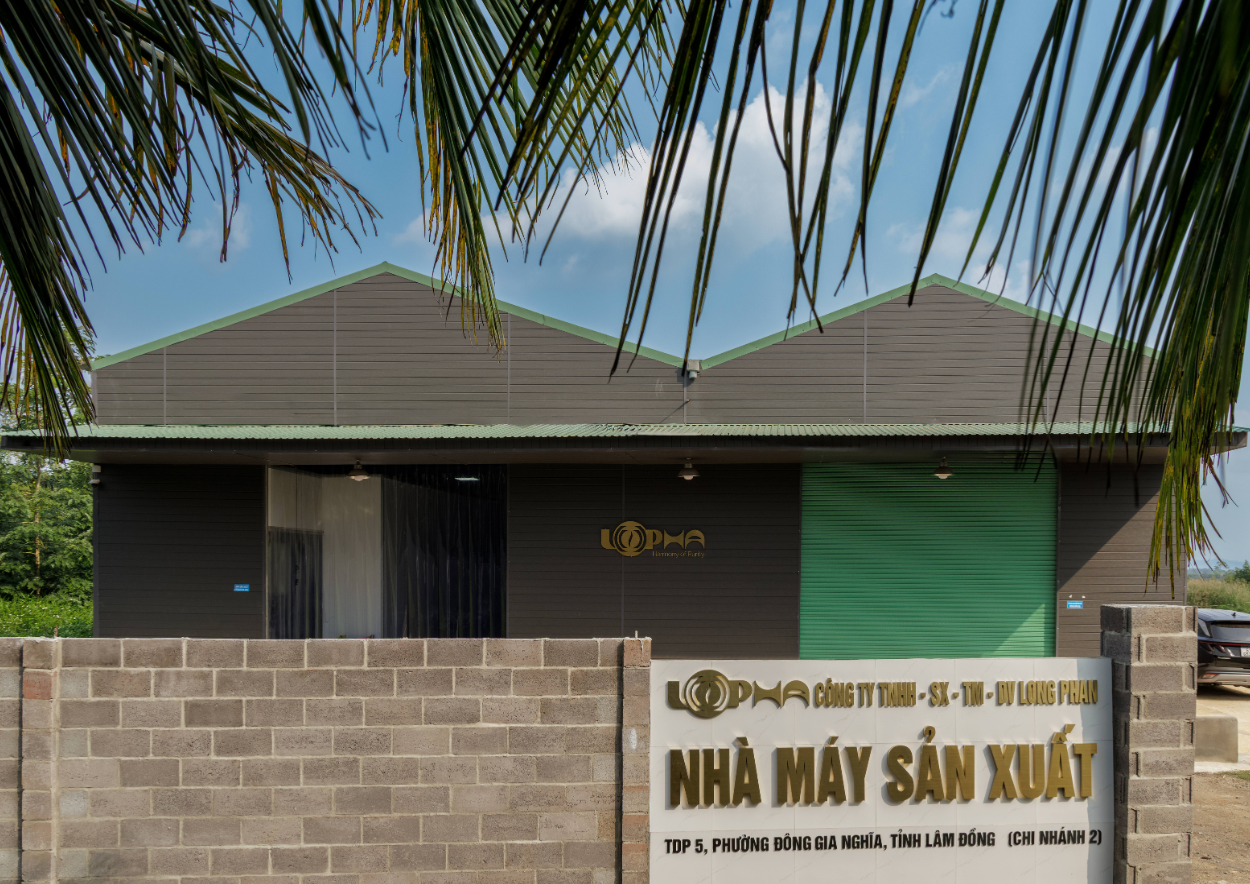
After years of raw material research and production system development, in 2025 LOPHA broadened its view of the work done before coffee reaches the factory. Four upstream steps were added to its eleven factory processes, creating a continuous 15-step way of presenting the journey.
5.1. Connecting Pre-Factory and Factory Processes
The four upstream steps show what happens before the beans are received; the eleven factory stages describe how the raw materials are subsequently treated and finished. The value of this perspective is the connection between stages, not simply a longer list.
LOPHA currently works with a network of 10 cooperatives and has an initial growing area in Lam Dong. These foundations help the brand look more closely at the links between growers, processors and the factory within its purity journey.
5.2. Which Risks Can Better Coordination Help Reduce?
Clear information and agreed delivery schedules cannot remove every natural fluctuation. They can, however, help partners detect changes sooner, reduce confusion at handover and work together on issues within their respective responsibilities.
These are organisational benefits, separate from assessing the technical effectiveness of a particular processing machine or raw material treatment method.
6. Purity Is Preserved When Responsibilities Stay Connected
In the coffee chain, no process is completely separate from the work that came before it. Traceable raw materials, coordinated delivery plans and specific feedback may rarely appear on a bag, but they influence how that product is made.
LOPHA's renewed attention to processing at source in 2025 shows that quality is not solely the factory's responsibility. Growers, cooperatives, initial processing facilities and production teams each have a part to play.
A sustainable journey does not require everyone to do the same job. It requires each party to understand its responsibilities and pass on the right information to those who come next.