Resting Roasted Coffee Beans to Preserve Their Aroma
Summary: Coffee beans smell wonderful as soon as they leave the roaster, yet they are still changing. Gases produced during roasting remain inside and are gradually released. LOPHA includes a separate resting stage after roasting to help manage the condition of the coffee and protect the aromas developed during the roast.
Freshly roasted coffee keeps changing
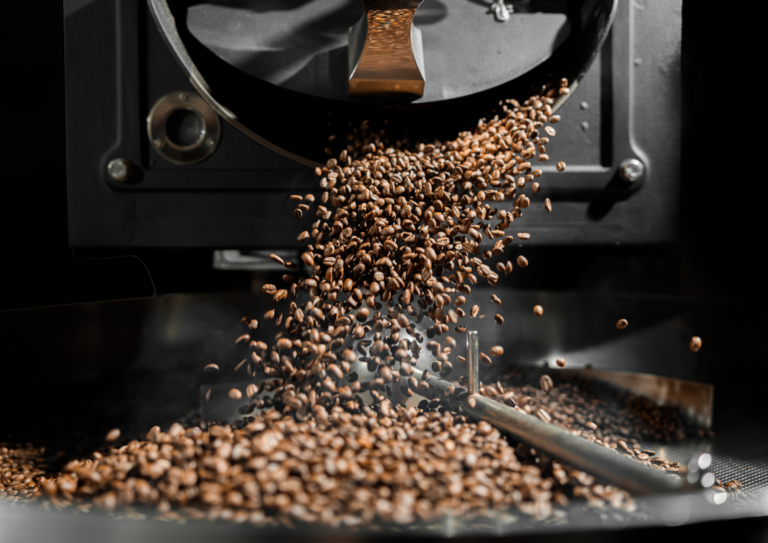
There is something familiar about standing near a coffee roaster: the smell of freshly roasted beans fills the air. It is tempting to think the beans have already reached their final state at that very moment. In fact, roasted coffee continues to change after leaving the heat.
Roasting changes the structure of the bean and produces many compounds, including gases. Some gas remains trapped in the porous structure and is released over time. Aroma compounds can also respond to the environment during cooling, resting and subsequent handling.
LOPHA includes a separate step called resting the beans to retain aroma after roasting. This describes a period when the beans settle before moving to later production stages. The objective is to manage their condition rather than simply leave them untouched for an arbitrary length of time.
How carbon dioxide leaves roasted beans
Roasting creates gases through physical and chemical changes, notably carbon dioxide, or CO₂. Some CO₂ remains within the bean and gradually escapes after roasting. This release, known as degassing, is a normal characteristic of roasted coffee.

We can imagine the bean as a material containing many tiny spaces that hold gas, although it is not identical to a sponge. The structure of roasted coffee and the pace at which gas is released depend on the beans and their roasting conditions. That is why different coffees may degas at different rates.
Gas release is not, by itself, evidence that coffee is spoiling. It is a natural result of roasting. However, continued degassing matters when deciding how to store, package and brew the beans, so producers need to consider it as part of handling the finished roast.
Resting is different from coffee fermentation
The word ‘resting’ can be confusing because coffee processing also includes fermentation when the seed still carries mucilage after pulping. These events happen at very different points in the coffee journey and serve different purposes. They should not be described as the same operation.
Post-roast resting occurs after the beans have been heated to develop colour and aroma. Its focus is on stabilising their condition, allowing gas to escape and limiting unwanted effects before later handling. It is not a second fermentation stage.
Understanding this difference helps customers interpret production information. When LOPHA refers to resting the beans to retain aroma, it means the twelfth step of the 15-step process, after roasting—not the earlier controlled-fermentation option during fresh-cherry processing.
What determines a suitable resting time?
There is no one number of hours or days that suits every roasted coffee. Roast level can influence how much gas beans retain and how quickly they release it. Bean condition, packaging and the intended brewing method can also change what makes a resting period appropriate.
For espresso, coffee containing a large amount of gas can sometimes influence flow and crema and make extraction less consistent. Other brewing methods may respond differently. Rather than assume one resting schedule works for everyone, we need to consider the product and the way it will be prepared.
Leaving coffee too long in unsuitable conditions may gradually reduce aroma or promote oxidation. Choosing a suitable resting period therefore means balancing the bean’s changing condition with protection from the environment, not simply waiting as long as possible.
How air and temperature affect aroma
Immediately after roasting, beans are still warm and contain many volatile compounds. Prolonged exposure to heat or poorly controlled air movement can change the aromatic experience. Cooling and resting conditions therefore play a role in preserving what roasting has developed.
Oxygen is another important factor. When coffee compounds come into contact with oxygen, oxidation can affect sensory quality over time. Packaging and storage aim to reduce unwanted exposure, while recognising that freshly roasted coffee also continues to release gas.
Think of leaving freshly ground coffee uncovered on a kitchen counter. Even when the beans were good, the aroma of the grounds can change as they remain exposed to air. Whole beans tend to offer more protection than grounds, but both still benefit from thoughtful storage.
From resting to post-roast sorting
In LOPHA’s journey, beans move from resting to post-roast sorting. This is a checking stage intended to remove unsuitable beans, broken pieces or remaining foreign matter before packaging. Resting and sorting serve different but connected objectives.

Coffee that has rested suitably still needs inspection. Its gas-release condition may be appropriate even if a few broken or defective beans remain mixed into the batch. Sorting adds another layer of control rather than repeating the function of resting.
Resting also explains why packaging must take continuing gas release into account. Many coffee bags use a one-way valve to allow gas to leave while limiting outside air entering. Packaging choices depend on the coffee, product format and intended storage conditions.
What should coffee drinkers know about freshness?
A roast date or production date on the packaging is useful, but freshness is not simply a rule that ‘the newer the roast, the better’. Coffee continues to settle, and the ideal use period varies with the product, roast, packaging and brewing method.
If you buy whole beans, grinding only what you need before brewing generally reduces how long the grounds are exposed to air. If you use pre-ground coffee, closing and storing the pack properly becomes especially important because the greater exposed surface area can allow aromas to change more quickly.
Arabica drinkers may pay particular attention to delicate aromas and clearer acidity, while Robusta lovers often seek greater body, noticeable bitterness and a lingering finish. Protecting coffee after roasting helps those different characteristics remain more recognisable, without making all beans taste alike.
Resting beans is part of caring for quality
At LOPHA, resting the beans comes after roasting and before sorting. It is an important bridge between developing flavour and protecting it. Understanding this step shows why coffee production continues after the roaster is switched off.
Resting alone cannot guarantee a delicious cup. Poor raw material will not become good simply by waiting longer, nor will a flawed roast automatically correct itself. The stage contributes value when it follows suitable roasting and is accompanied by careful handling afterward.
LOPHA’s 15-step purity journey includes both highly visible operations, such as roasting and ultrasonic cleaning, and quieter stages, such as resting. Each has a purpose in bringing carefully prepared coffee closer to the person who enjoys it.