Drying Coffee and Producing Green Coffee Beans
Summary: Coffee still contains substantial moisture after initial processing. Storing beans before they are adequately dried and stabilised can affect quality. Drying too quickly or unevenly may also create problems for later hulling and roasting. The fourth step in LOPHA’s journey connects drying, moisture stabilisation and parchment removal to produce green coffee beans.
Drying coffee is more than simply removing water
After harvesting and initial processing, coffee still holds considerable water in the fruit or within the bean structure. Long-term storage of excessively moist material increases the risk of quality changes. Sun-drying and mechanical drying aim to reduce moisture to a condition suitable for storage and subsequent processing. Yet weight loss from evaporation is not the only goal: producers must also consider where water leaves the material, how fast it does so and whether drying is uniform throughout the batch.
When the surrounding air can take up additional moisture, water evaporates from the surface of the coffee. Water inside the bean continues to move toward the surface through mechanisms that depend on its structure, temperature and moisture condition. If the surface dries quickly while the centre remains notably wet, a rushed measurement or inspection may suggest that the beans are stable even though their moisture has not become sufficiently uniform.
In LOPHA’s coffee production chain, green coffee quality is the foundation for what happens at the factory. Appropriate drying lets the beans enter storage and incoming-quality assessment in a manageable condition, rather than leaving roasting to deal with variations that developed much earlier.
Sun-drying and the influence of weather
Sun-drying uses warmth from the surroundings, air movement and the air’s capacity to absorb moisture. Depending on the facility, coffee can be spread over drying yards or raised drying beds. Well-ventilated beds may expose more sides of the material to moving air, though their actual effectiveness depends on layer thickness, sunlight, wind and how the process is managed.
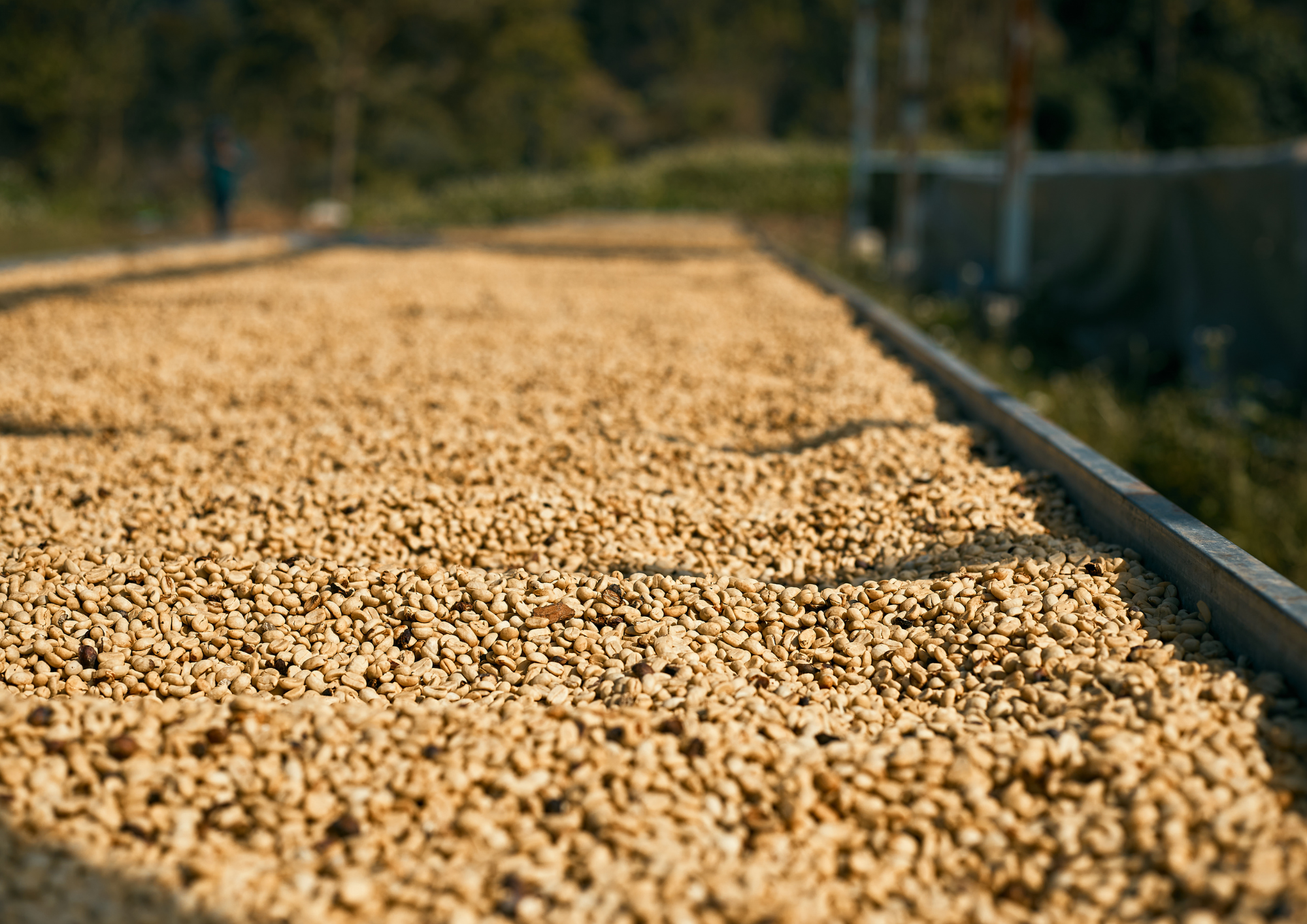
One advantage of sun-drying is its use of natural heat and its suitability for different production scales. Producers can observe the coffee day by day and adjust bed depth or turning frequency as conditions change. These decisions, however, should reflect the actual state of the coffee. More days in the sun do not necessarily mean better quality if the material repeatedly encounters rain, damp conditions or contamination during that time.
Hygiene is another consideration in drying areas. Foreign objects on the yard, unsuitable contact surfaces or people and vehicles moving through the drying zone may introduce contaminants. Choosing and protecting a drying area is therefore part of quality control, not merely a question of making the most of available space. This is especially important when drying continues for several days and the coffee is turned frequently.
Mechanical drying: more control, but careful monitoring
Mechanical dryers create and regulate conditions that encourage moisture removal, usually with heat and moving air. Compared with outdoor drying, they can help facilities work more predictably when the weather is unfavourable. But greater control does not mean the temperature can simply be increased to finish as quickly as possible. The condition of the beans and uniformity within the dryer still need attention.
Inside a drying system, areas near the heat source or exposed to stronger airflow may dry faster than others if the design and operating method are unsuitable. Air distribution, loading volume and monitoring at different stages therefore matter. Even a high-capacity dryer can produce material with substantial moisture variation if it operates unevenly.
Drying also involves energy management and the cleanliness of air that comes into contact with the coffee. The heat source, fans, dust and materials in the air path can all affect the end product. Investment in equipment should be accompanied by suitable maintenance and inspection, so that it improves consistent quality rather than merely replacing the labour of turning beans on a drying yard.
Even moisture distribution helps coffee store well
Two coffee lots may have similar average moisture readings but differ considerably in how water is distributed between beans. A lot containing many dry beans and some much wetter groups is not equivalent to one where most beans have a relatively uniform condition. Average values therefore do not tell the whole story of drying quality, especially when the tested sample is not representative of the entire lot.
Differences can arise from the depth of the drying layer, variations between cherries or beans, the position inside the dryer and how often the material is turned. If one portion is already dry while another still contains substantial water, those groups may behave differently in storage and roasting. When this is not recognised early, unevenness can pass into the next stage without being obvious to the naked eye.
Producers should also distinguish drying from roasting. Drying during primary processing prepares stable raw material for storage and later handling. Roasting comes afterward, using much higher temperatures and more complex transformations to develop flavour. Treating drying as a light form of roasting confuses two stages that serve very different purposes.
How do parchment coffee and green coffee differ?
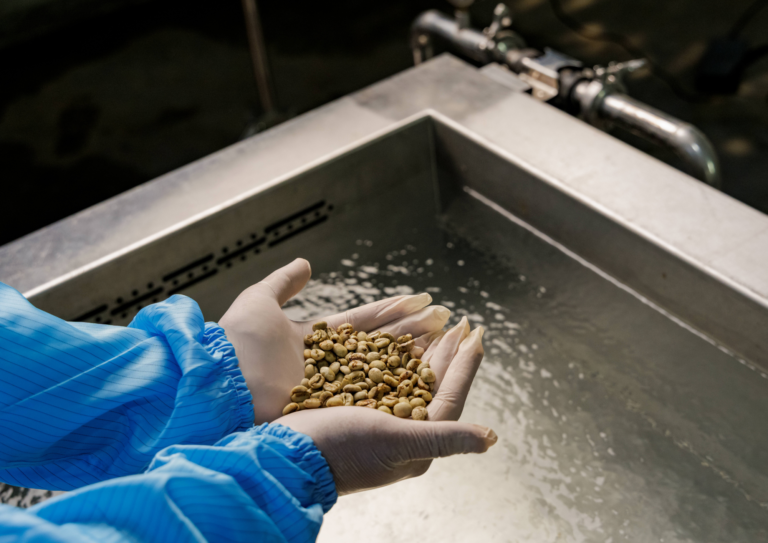
Coffee passes through several forms during processing, which can be confusing for newcomers. Fresh cherries are newly harvested fruit with their skin and flesh intact. After processing by a suitable method, the seeds may become parchment coffee. At this point the coffee beans remain protected by a thin yet relatively tough parchment layer.
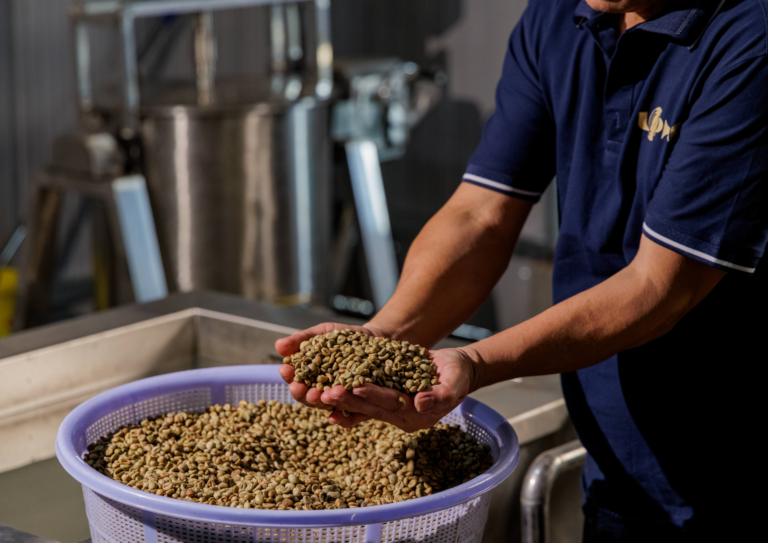
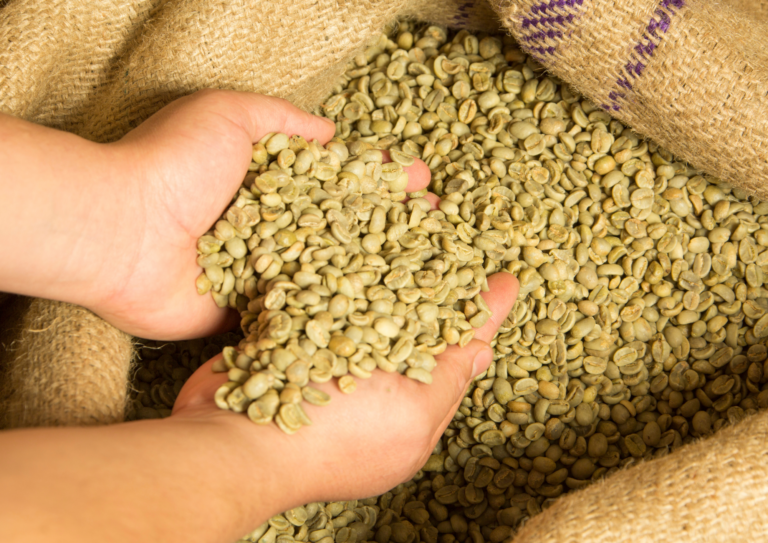
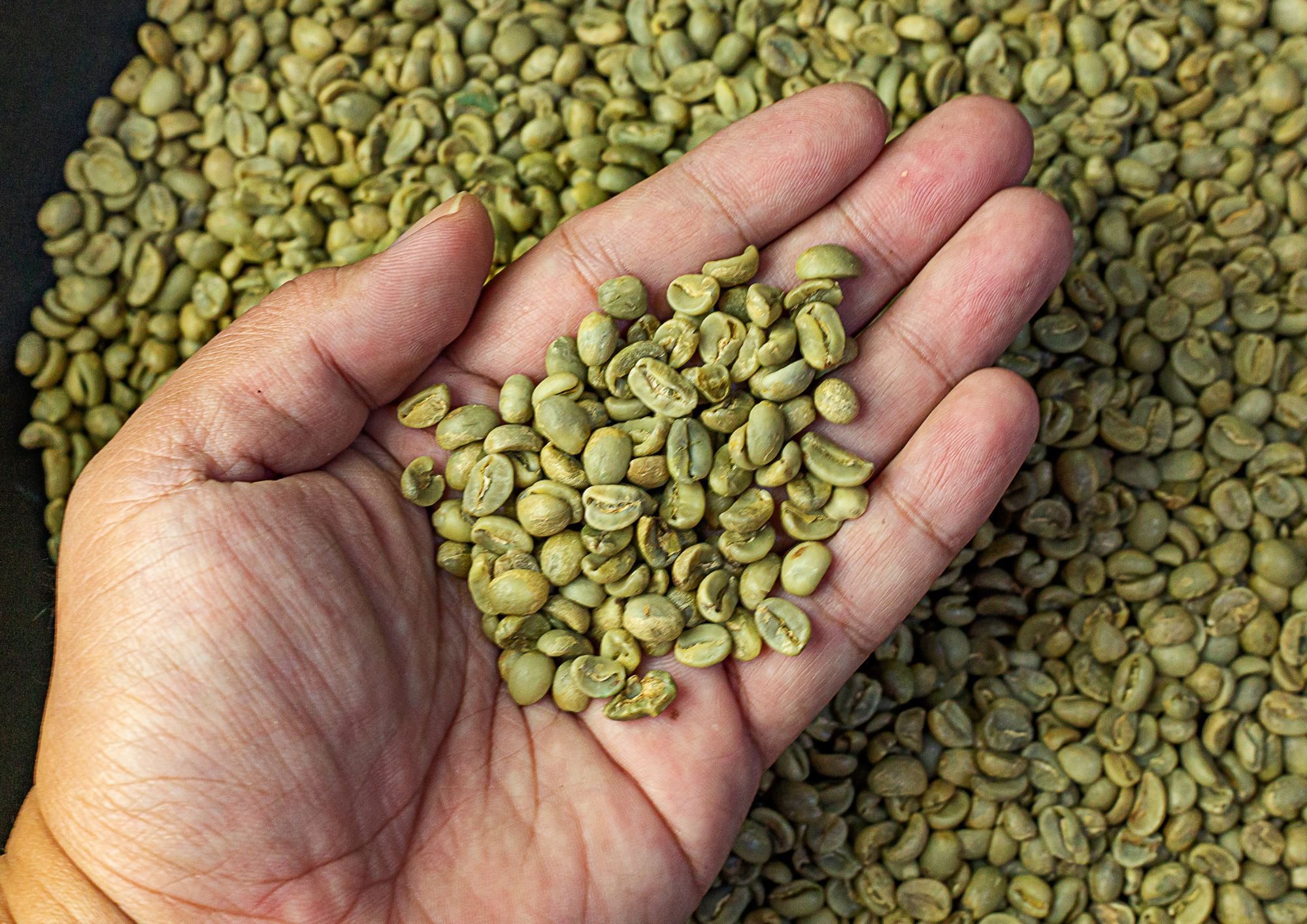
Green coffee beans are the seeds after the parchment and other surrounding layers have been removed according to the applicable process. This is the familiar form used for assessing incoming materials at roasteries and processing factories. “Green” does not mean every bean must look bright green; actual colour varies with coffee variety, processing method, storage conditions and the characteristics of the lot.
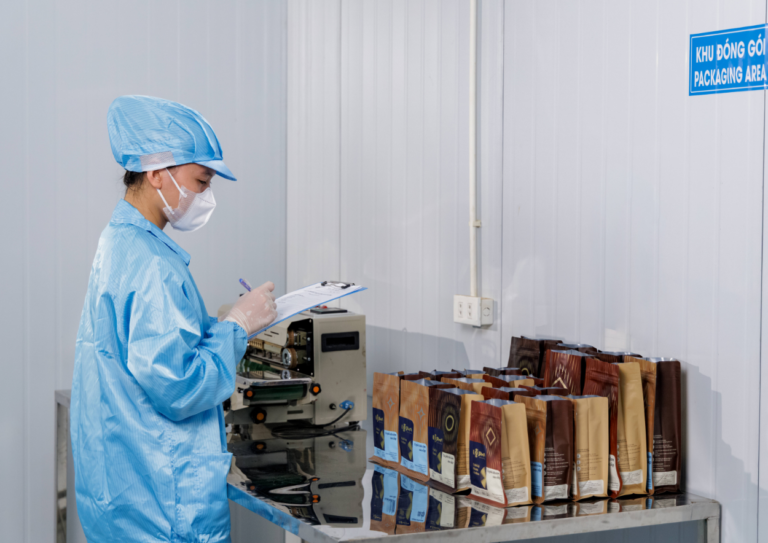
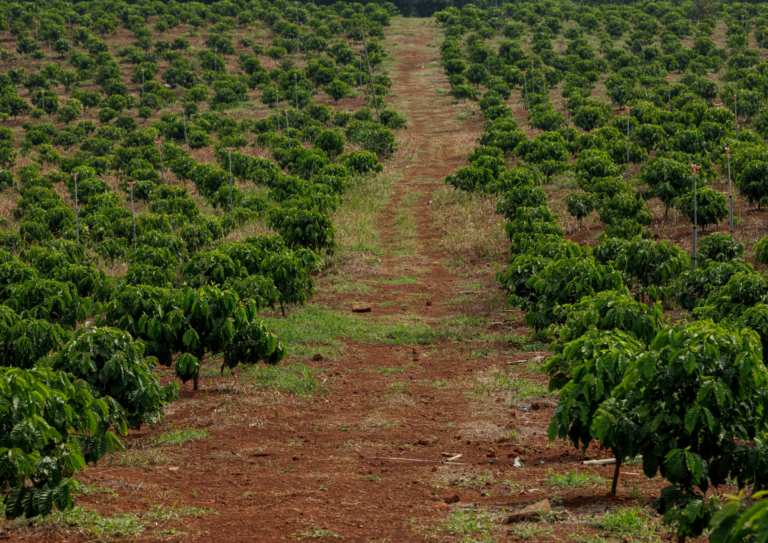
This distinction is also clear in LOPHA’s production process. Factory operations begin with material already prepared as suitable green coffee beans, while work at the growing area and primary processing facility takes place beforehand. Green coffee is therefore the outcome of a series of quality controls, not the first starting point of quality.
Why should beans stabilise before hulling?
Moisture condition is one of the key factors before hulling. Parchment coffee taken directly from a dryer may have a dry surface even though water has not become reasonably evenly distributed inside. The next mechanical operation would then act on beans in different states. Stabilisation after sun-drying or mechanical drying helps prepare the material before its outer layer is removed.
Moisture influences the mechanical behaviour of both parchment and seed. Material that is too dry for the intended conditions may crack or break more readily under certain forces. Excessively wet beans may be difficult to hull or store properly afterward. The effects depend on variety, processing method and equipment, so quality cannot be determined simply by feeling how hard or soft a bean is.
Moisture monitoring also needs methods suitable for the material being measured. Readings on parchment coffee and green beans are related, but it should not be assumed that every moisture meter works identically for both. When moving between stages, operators must understand the limits of the measuring method rather than drawing an incorrect conclusion from a shared scale or setting.
Removing parchment to obtain green coffee beans
Hulling is a mechanical operation that removes the parchment layer from the coffee seed. Hullers differ between facilities, but their shared purpose is to separate the outer covering while limiting damage to the bean. After hulling, the removed parchment must be kept from rejoining the green coffee stream.
During operation, the state of the material and feed rate affect consistency. When moisture varies widely within a lot, groups of beans may respond differently to the same mechanical force. Hard objects mixed with the parchment coffee can also increase the risk of damage to both the machine and beans. Checking the incoming material and equipment condition is therefore an important preparation before hulling begins.
Dust and parchment fragments generated during hulling should be collected in a way that prevents them from re-entering the green-bean flow. Contaminant management here improves more than appearance: it also reduces the load on later mechanical cleaning operations. A well-organised line separates incoming beans, by-products and inspection areas so the benefit of removing the parchment is not lost.
From stable dried beans to suitable green coffee
Producing green coffee beans is not simply a matter of peeling a coffee cherry. It requires control over moisture removal, stability of the beans and the risk of damage during hulling. Completing this stage properly prepares the raw material for the next processes at the LOPHA factory.