Choosing a Coffee Supplier for Cafés, Restaurants and Hotels
Summary: For cafés, restaurants and hotels, a coffee that tastes wonderful in the first sample does not guarantee a consistent customer experience later on. Flavour consistency, brewing dose, delivery reliability and operational support all affect business performance. In response to the practical needs of HORECA businesses, LOPHA develops pure-coffee solutions and partnerships that help venues choose suitable products, manage cost per cup and maintain quality over time.
A guest returns to a café because they loved last week's coffee, only to find the same drink tastes completely different today. Such a seemingly small change can weaken the trust the business is building. The challenge is even greater for restaurants, hotels or multi-location chains, where different staff members use different equipment.
Choosing a coffee supplier therefore goes beyond finding beans that taste good at a reasonable price. The coffee must suit the menu, deliveries must be planned, and the partnership should help the business offer customers a consistent experience over time.
1. Why Does Your Coffee Supplier Affect the Customer Experience?
For a HORECA business, quality does not end when raw materials are purchased. It is experienced in every cup served. Guests generally expect a familiar drink to have broadly consistent characteristics whether they visit on a weekday, over the weekend or during the busiest season.
1.1. Consistent Flavour Matters More Than One Successful Tasting
A coffee sample may be impressive at the first tasting, but subsequent results also depend on grind size, dose, water temperature and machine condition. Even with the same beans, an espresso made on poorly maintained equipment may differ noticeably from the sample.
Consistency between lots matters too. Beans from different harvests or storage conditions may have distinct characteristics, so suppliers need appropriate ways to manage them in line with the product's intended flavour.
1.2. Different Business Models Need Different Coffee Solutions
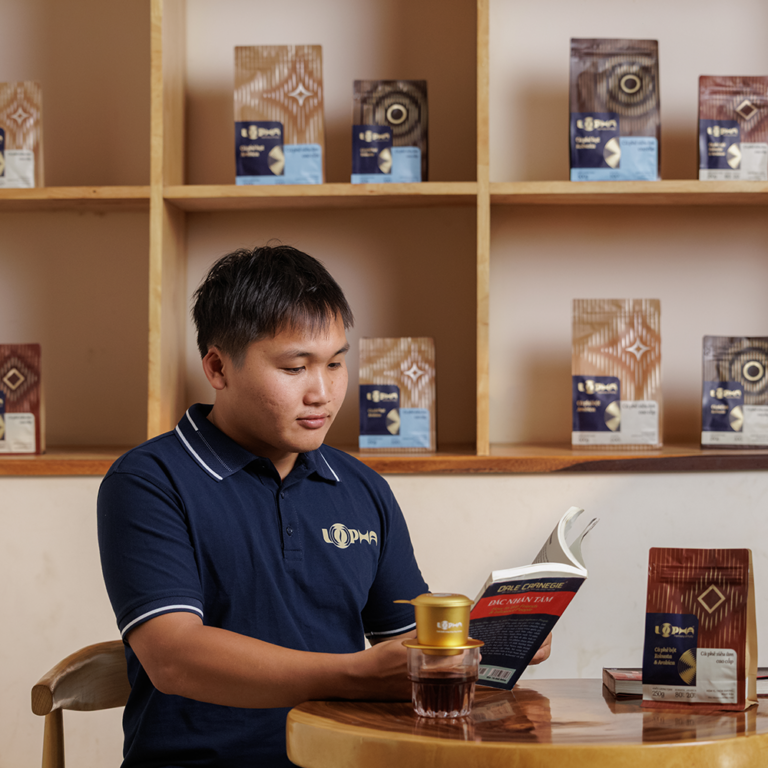
An espresso-focused café cares about how well its beans work with the machine. A Vietnamese phin café needs a product that suits local tastes. A restaurant might serve coffee only after meals, while a hotel may need it for breakfast buffets and beverage counters.
Multi-location chains usually need even greater consistency in packaging format, recipes and delivery timing. One sample should therefore not be assumed to suit every HORECA operation.
2. Evaluating Coffee Quality Before Starting a Partnership
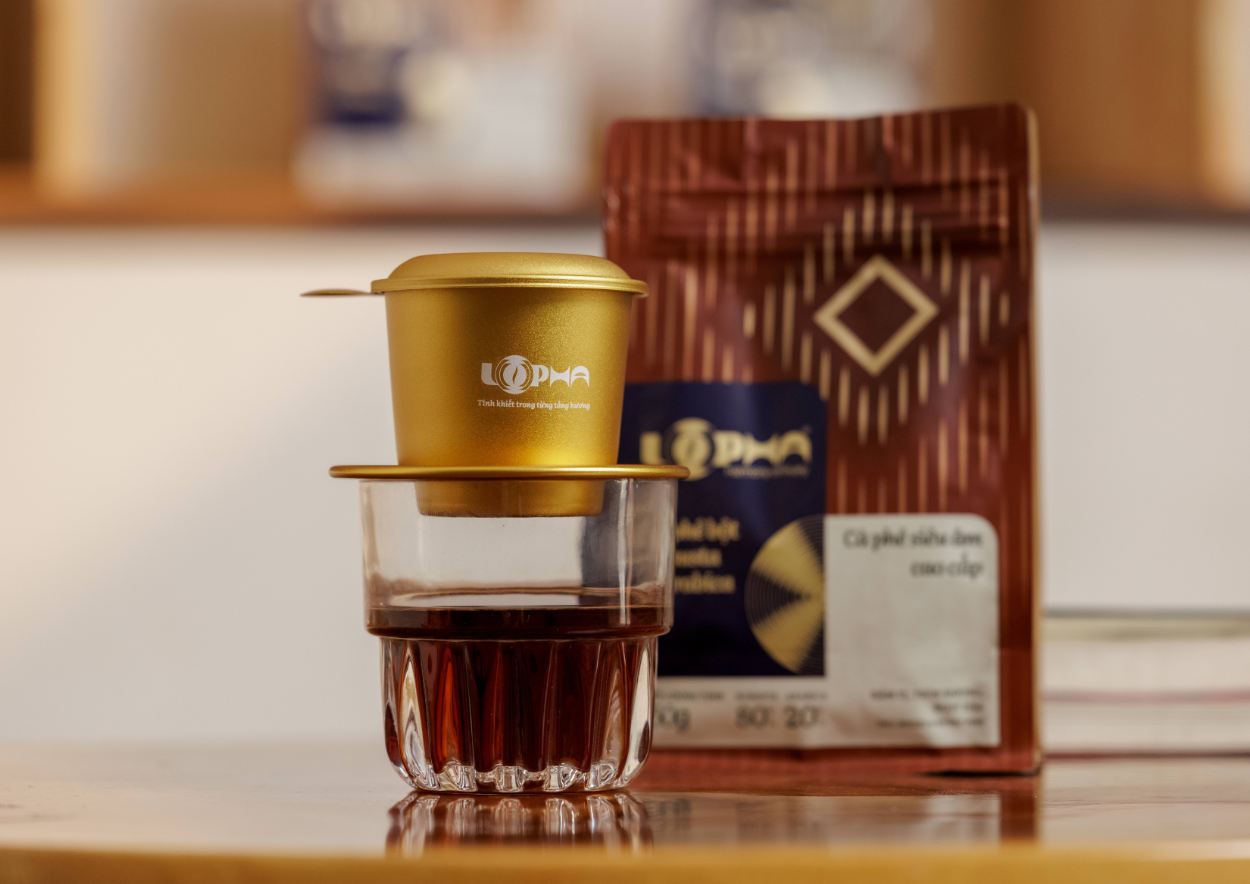
Before testing samples, a venue should define its goals: customer group, menu items, equipment, expected sales volume and target selling prices. More expensive beans are not necessarily the best choice if they do not suit the preferences of most guests.
2.1. Choose Beans to Match the Menu and Customer Base
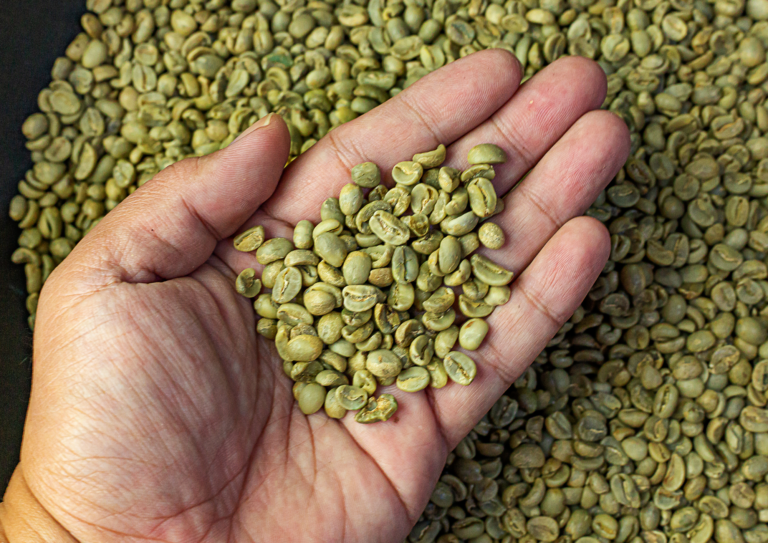
Arabica is usually associated with delicate aromas and pronounced acidity, while Robusta offers fuller body and distinct bitterness. Blends can combine these features. If coffee is used in many milk-based drinks, body and how the coffee's character holds up in milk deserve attention. With black espresso, subtler flavour nuances may become a point of difference.
LOPHA's range of 100% Arabica, 100% Robusta and Blends gives business partners clear options rather than requiring them to begin with the same bean for every venue.
2.2. Test Samples Under Real Operating Conditions
Samples should be brewed using the machine, water and recipe intended for the actual venue. Make several drinks in succession, watch for consistency and record the team's feedback. A suitable product must work for real customers, not merely impress under ideal tasting conditions.
When changing products, businesses should also allow time to adjust the machine and train staff. Otherwise, the beans may be replaced while every setting stays unchanged, leading to an unfair conclusion that the coffee is unsuitable.
A useful sample session can resemble a short service shift: staff use familiar equipment and recipes, prepare several cups in a row and test both black and milk-based coffee if those are bestsellers. The café records how easy the coffee is to dial in, preparation time and feedback from service staff. This helps distinguish the product's flavour from equipment or technique issues, while reducing the chance of selecting a sample that tastes excellent under ideal conditions but is difficult to serve during a rush.
3. How Does Coffee Purchase Price Differ from Cost per Cup?
Ingredient cost per cup depends on dose and waste. For example, at 20 g per serving, one kilogram provides a theoretical 50 servings; at 18 g, the figure is close to 55. This is a quantity calculation, not a recommendation to use the same dose for every brewing method.
3.1. A Small Change in Dose Can Make a Big Difference
At 300 cups per day, a difference of 2 g per cup amounts to 600 g of coffee each day before waste. Over 30 days, that is approximately 18 kg of raw material.
Comparing two quotations solely on price per kilogram can therefore be misleading. Venues also need to consider the dose required for the intended flavour, preparation time, peak-hour practicality and the number of drinks discarded because of brewing errors.
3.2. Waste Is More Than Spilled Coffee Grounds
If a delivered coffee lot differs significantly from the agreed sample, baristas may need to adjust the grinder, retest the recipe and discard some drinks. Late deliveries may also force the café to buy an alternative product at a higher cost.
A sensible cost per cup therefore comes from suitable quality, a consistent dose and a dependable supply plan, not merely a low purchase price.
4. Evaluating Supply Before Making a Long-Term Commitment
Supply is reliable when it meets agreed requirements for quantity, timing, format and quality. Even a business with a large factory can create problems for partners if its delivery schedule is unclear.
4.1. Production Capacity Must Match Delivery Planning
Both parties should agree on anticipated volume, ordering frequency, lead time and how to coordinate when sales increase. A delivery arrangement that works for a small café may not suit a chain with many branches.
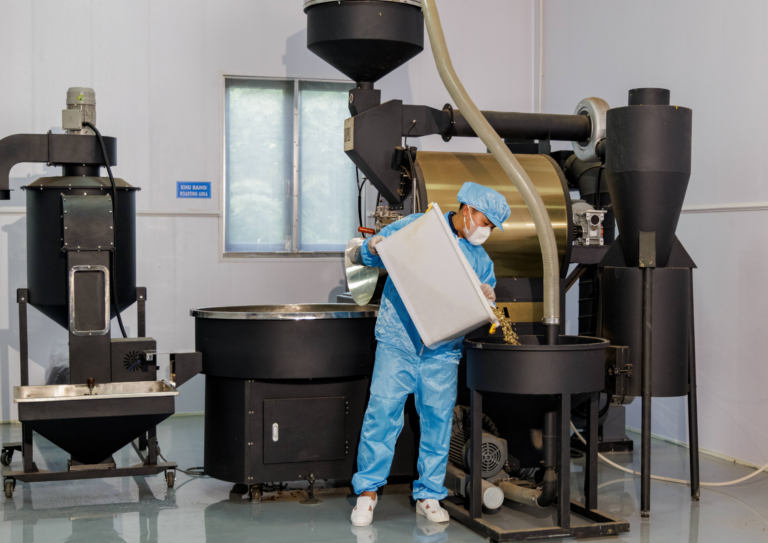
LOPHA's factory in Lam Dong covers approximately 0.5 hectares and currently produces 300 tonnes of coffee a year. This is the production foundation, but each partner's order quantities and delivery timetable must still be discussed and agreed separately rather than inferred from annual output.
For example, a café using around 30 kg each month might choose three 10 kg deliveries at ten-day intervals instead of taking the entire quantity at once, provided transport and storage arrangements allow it. The delivery schedule should be agreed with the supplier to avoid unreasonable additional logistics costs. For a multi-location chain, ordering procedures should also clarify who consolidates demand, who receives each delivery and how unexpected increases in volume at one branch are handled.
4.2. Lot-to-Lot Consistency Builds Confidence
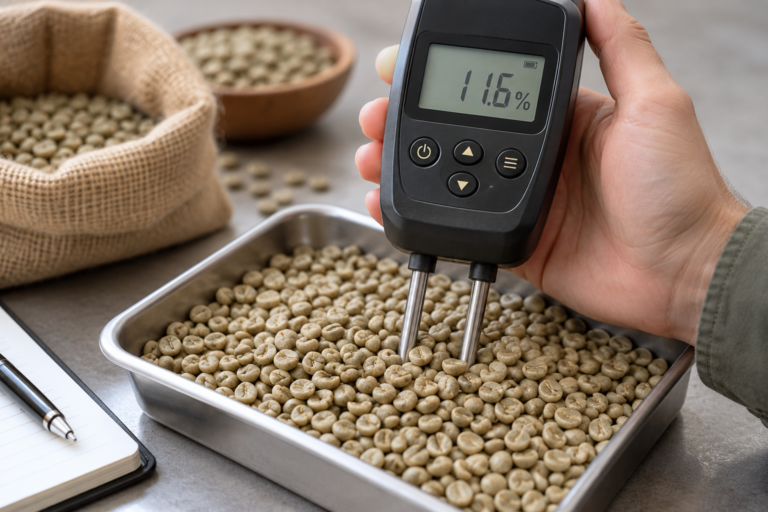
Coffee may vary with the harvest season, source and storage conditions. That is why raw material selection, processing and quality control need to work together.
Once a café has established its signature coffee profile, subsequent lots should remain aligned with that agreed direction. The stages in LOPHA's production system provide a foundation for developing commercial products in an organised way.
5. How Does LOPHA Develop Coffee Solutions for HORECA?
Choosing a supplier also means choosing a way of working together. For many venues, the right partner does more than deliver beans: it helps identify suitable products, adjust brewing and address operational challenges.
5.1. Flexibility in Bean Selection and Roast Direction
In HORECA, a café serving traditional coffee drinkers may need a different flavour profile from a restaurant with an international customer base. LOPHA develops coffee solutions for HORECA around its Arabica, Robusta and Blend ranges, with roast direction considered according to partnership needs.
The goal of sample testing is not to choose the most expensive product, but to find a flavour that can be served repeatedly and suits both the menu and the venue's everyday capabilities.
5.2. Operational Support Adds Value Beyond Delivery
Drink quality also depends on grind size, dose, equipment condition and staff technique. Support with product use, recipe adjustment and feedback can therefore provide lasting value.
This becomes especially important when a venue changes staff or expands. If a supplier delivers coffee without clear enough guidance, operational differences may cause the product to be judged unfairly.
6. A Good Partner Should Help a Café Grow Sustainably

A consistent cup depends on both the supplier and the people preparing it. Choosing a partner should therefore take account of the product's taste, cost per cup, delivery plans and long-term support.
For LOPHA, its commitment to pure coffee is connected to production and solutions for business customers. The right product is one a café can serve regularly, staff can prepare consistently and guests can trust when they return.
A good supplier helps a café do more than make a delicious cup today; it helps maintain that experience tomorrow.