LOPHA’s Factory: Where Research Becomes Coffee Products
Summary: The factory in Lâm Đồng helps LOPHA turn research directions into coffee products for everyday enjoyment. Its current area of about 0.5 hectares and production output of 300 tonnes a year show the journey from idea to actual production.
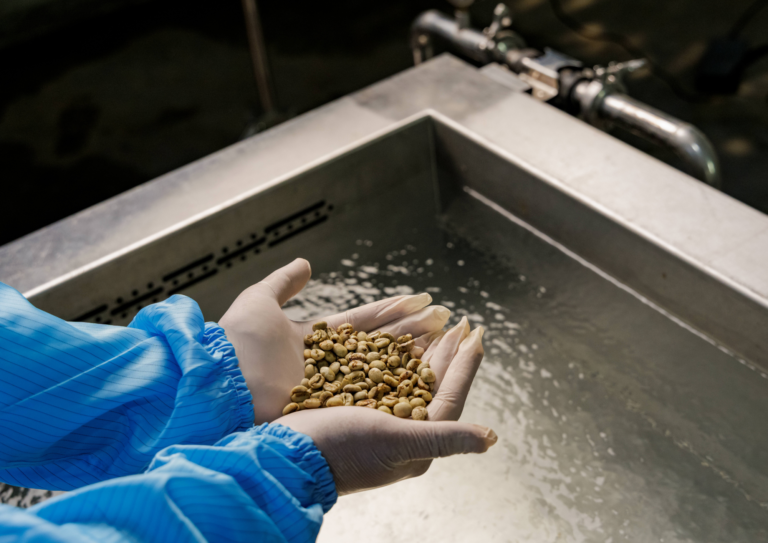
At LOPHA's factory in Lâm Đồng, goals once explored in research have become part of everyday production. The approximately 0.5-hectare site receives raw materials and moves them through stages with distinct purposes, from bean preparation to finished products.
LOPHA's factory currently produces 300 tonnes of coffee each year. This is both the result of production operations and a basis for serving coffee lovers and business partners. Beyond the factory's size, LOPHA emphasizes the connection between people, equipment, and ingredients so each product can be finished consistently.
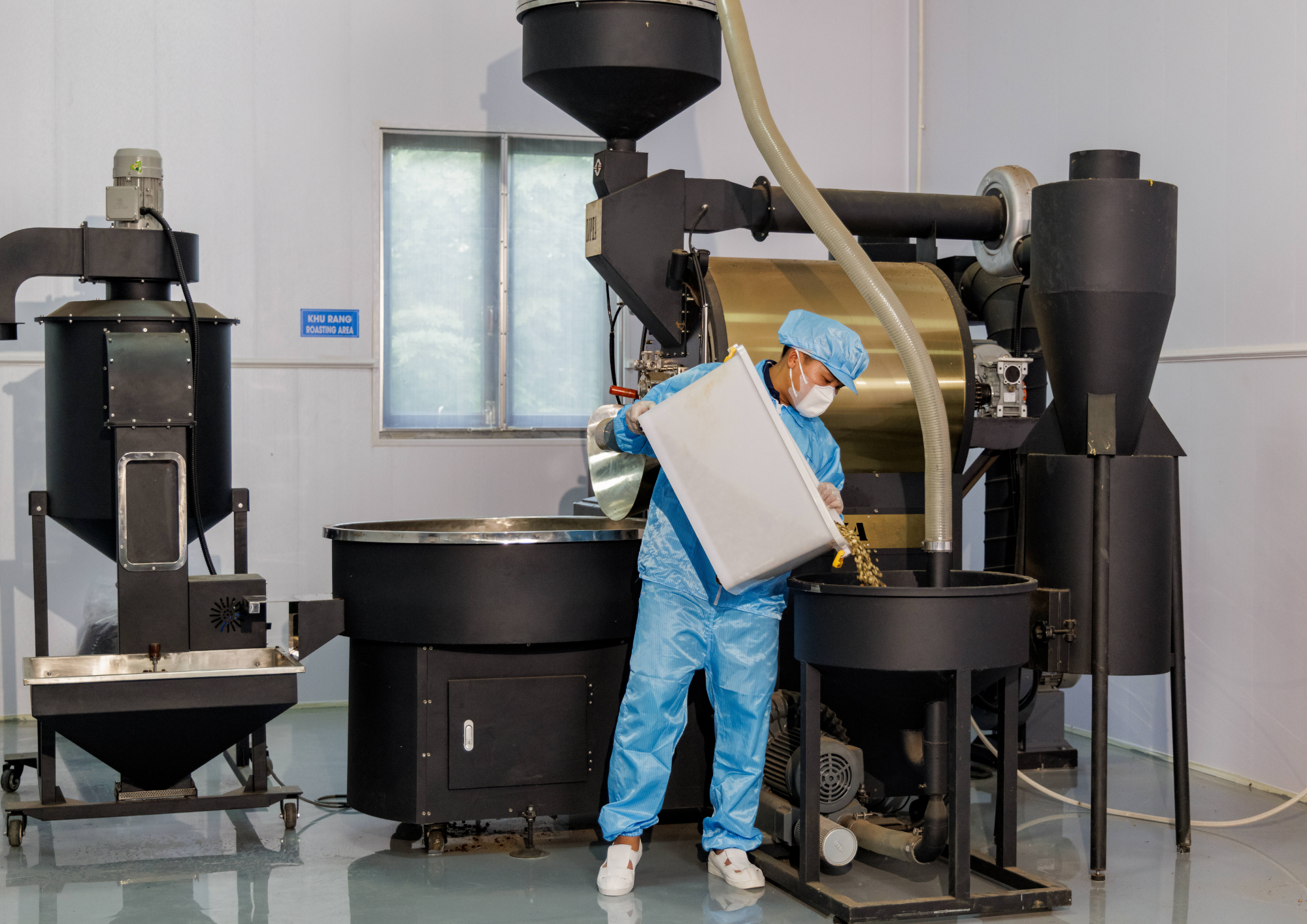
A factory becomes a reality when people, equipment, and production activities are organized around quality. LOPHA developed its Lâm Đồng facility to bring research results into practical tasks: receiving raw materials, processing, roasting, finishing, and delivering products to customers. It is where the values of purity, honesty, and authenticity are expressed through daily work.
From an Ambition to a Place Where It Can Happen
The production-refinement stage helped LOPHA connect its earlier research with factory organization: receiving suitable beans, arranging operations, running equipment, and finishing products. Quality becomes a shared goal across departments, with consistency each time customers choose LOPHA as the aim.
To turn research into finished coffee, LOPHA organizes connected work involving ingredients, equipment, and people. The factory provides a place where those activities can operate together, from receiving beans to inspection and finishing. Each task contributes to a purposeful production system and helps the brand give consistent attention to every lot.
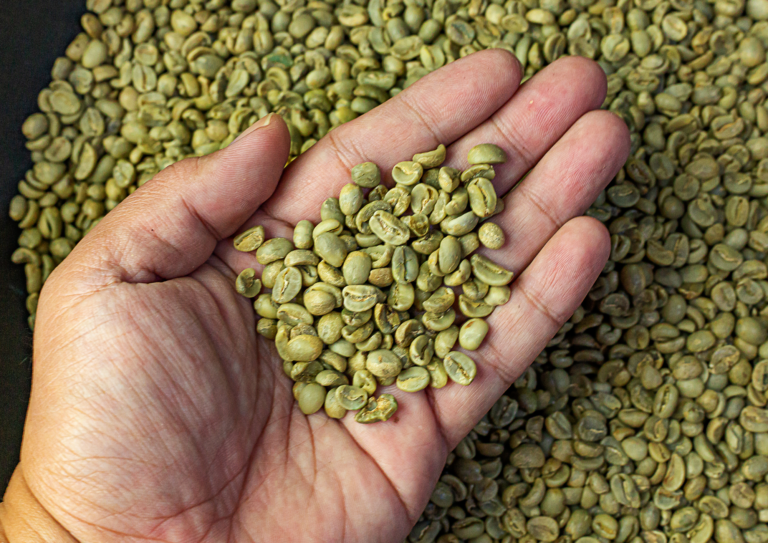
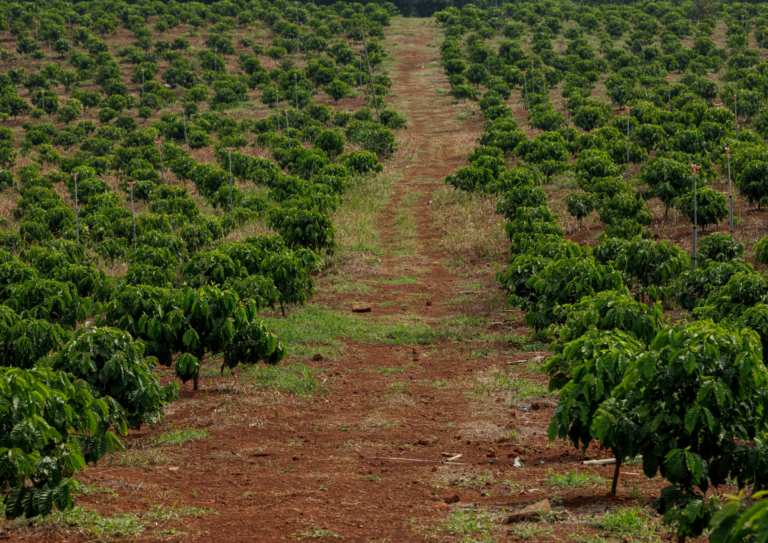
Factory area and growing-region area play different roles for LOPHA. Farms are where beans develop their natural character; the factory continues the journey through processing and finishing. Connecting these activities allows the brand to develop products from clearly understood origins to coffee enjoyed in daily life.
Scale helps people visualize a business, but it does not itself prove that a cup will taste good. Large factories may offer organizational advantages, while small facilities may focus on specialized products. What matters is the fit between capacity, products, and quality requirements. For LOPHA, the important point is having an infrastructure in which its research ambitions can actually be put into practice.
Machines Matter Only When People Understand the Goal
Modern production lines make an impression with advanced equipment and orderly spaces. But machines cannot know what customers expect from a product. Raw-material teams must understand selection goals; operators must follow suitable conditions; and quality staff must know what they are checking. Each task is a practical way of protecting the brand's commitment.
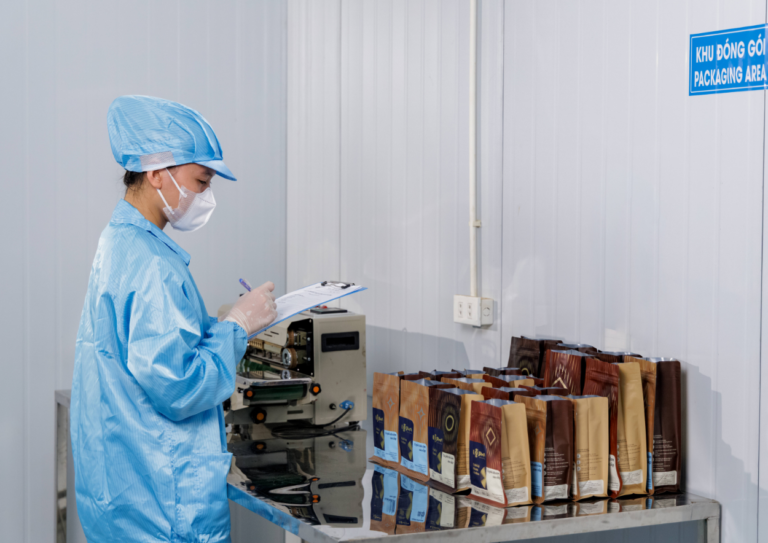
At LOPHA's factory, responsibility shows in everyday work: monitoring equipment, keeping processing areas clean, recording necessary information, and coordinating among teams. These activities help technology serve its intended purpose and maintain consistent product quality.
Hygiene, lot management, and quality checks are essential in food production. LOPHA develops its factory operations in connection with ISO and HACCP systems and documentation relevant to international markets. The standards and procedures cover different areas, working together to support an organized, transparent approach to quality.
A brand can speak beautifully about purity, but it must also explain what is actually being managed and what information can be checked. That is why the factory belongs in the brand story rather than being a completely separate backstage operation. Coffee drinkers may never enter the facility, but they deserve a clear explanation of where their product comes from.
What Does a Factory Near the Growing Region Make Possible?
Coffee begins with plants, land, and growers' work. Locating production in an area connected to raw-material sources allows LOPHA to describe a geographically connected journey from origin to factory. Proximity alone, however, cannot guarantee that every lot is high quality: sourcing, storage, and material management still require careful controls.
More valuable is the opportunity to understand the relationship between these two worlds. Growers focus on seasons and cherry condition; factory operators consider criteria relevant to production. When both sides share enough information, incoming-material assessments have more context and differences between lots can be understood instead of being dismissed as unexplained defects.
This connection matters for LOPHA's future development. After technology research and process refinement, the brand spent another year studying initial processing methods at origin. That shows the factory is not the only starting point for quality. It receives the results of decisions made earlier in the chain.
Beans pass through many tasks before becoming finished products. From growers to the processing facility, every link contributes to what LOPHA wants to offer customers: pure coffee with clear origins and careful attention throughout production.
Factory Output and Responsibility for Supply
A bag of coffee for home is often chosen for flavor. For cafés, restaurants, offices, and distribution partners, factory output and supply organization also have practical importance. They look for product availability, consistency between product lines, and reliable delivery coordination. LOPHA considers these factors alongside its development of pure coffee.
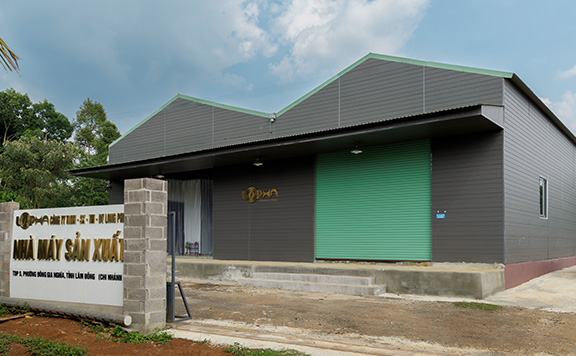
The factory's output of 300 tonnes of coffee per year reflects LOPHA's current production scale. For business partners, supply also depends on production planning, raw-material availability, inventory, and delivery arrangements. LOPHA connects these factors as it serves cafés, restaurants, offices, and distributors.
From the brand's perspective, the factory enables products suited to different preferences. Arabica, Robusta, and blends have distinct characteristics, and buyers can choose whole beans or ground coffee for their brewing methods. Making that product range meaningful requires linking product direction with production capacity and information about each type, not relying on one general story about technology.
Factory production also creates long-term responsibility. After products are sold, customer feedback can help improve them. A customer who simply prefers another flavor is different from one who finds packaging information unclear; the two concerns need different responses. A production system gives the brand a structure for reviewing and improving matters appropriately.
Where Research Meets Everyday Life
Factories are often described by area, output, equipment, and operations. In LOPHA's ten-year journey, their deeper meaning lies in connecting research achievements with real cups of coffee. What were once research goals now take shape in processing, roasting, finishing, packaging, and distribution.
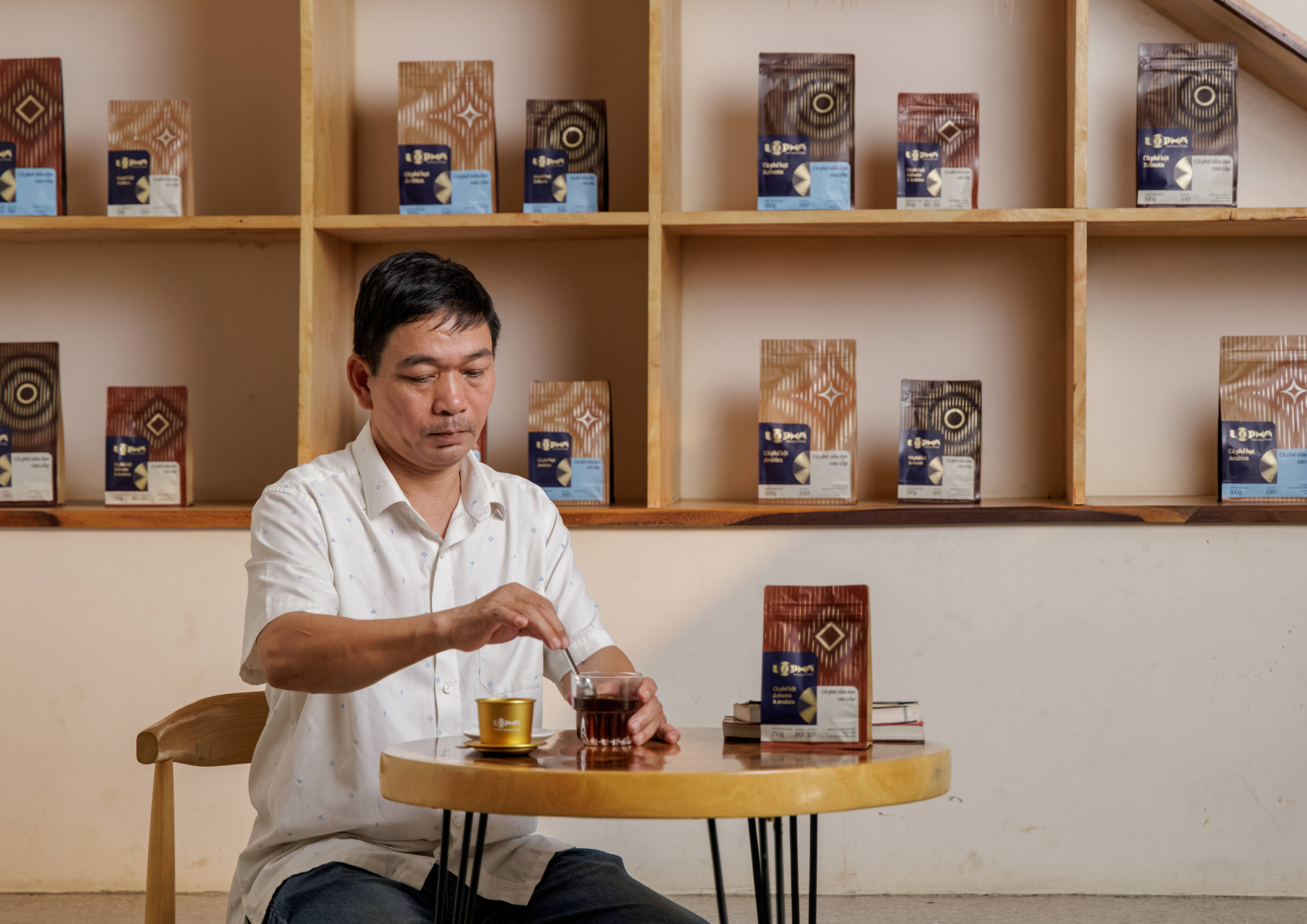
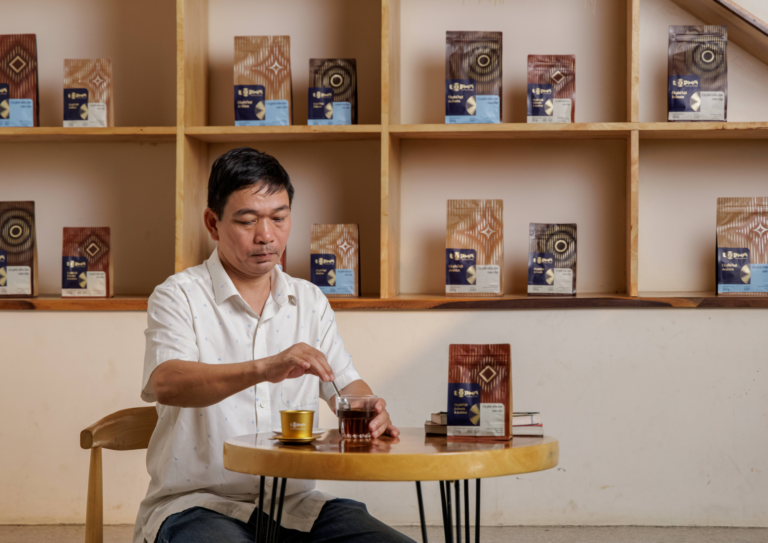
For coffee lovers, aroma, intensity, and brewing are personal experiences. A brand with a factory, clear product information, and transparent origins gives customers a firmer basis for making choices. At LOPHA, the value of production appears through care for ingredients and responsibility for the coffee people take home.
During the three-year period of process refinement, LOPHA's factory became a tangible expression of perseverance. There is no need to call it perfection or the end of innovation. Production always requires learning and adjustment as materials, needs, and conditions change. What matters is the journey from a question about a remarkable cup to a responsible system that can make products for many people.
When someone opens a bag of LOPHA coffee, they may simply want a quiet moment. Behind it are choices to build infrastructure, organize people, and take responsibility for quality. That is what the factory contributes to the search for purity: not a promise standing alone, but a place where the promise is translated into daily work.