ISO, HACCP and Coffee Quality: What Do They Really Mean?
Summary: When buying coffee, aroma and intensity are often the first things we notice. But if we drink it regularly, how it is made matters too. Terms such as ISO, HACCP and laboratory testing can sound technical, yet they concern familiar questions: how raw materials are chosen, how production is managed and how quality is checked.
A delicious cup of coffee can make you want another. But when coffee becomes part of your daily routine, you also want clear information about origin, suitable production conditions and reasonably consistent flavour between purchases. Behind roasting and grinding are quality-management practices that customers rarely get to see.
ISO 9001, ISO 22000 and HACCP are easier to understand when we connect them with everyday work. They relate to organising production, maintaining hygiene and preventing problems that could affect food. For LOPHA, attention to quality extends from raw-material selection to the finished coffee, not just the bag sitting on a shelf.
1. Why does coffee quality involve more than flavour?
Think about a café you visit every morning. What keeps you returning is not just the delicious first cup, but the feeling that later cups will remain reasonably consistent. Producers therefore need to manage many things: incoming beans, equipment, hygiene, storage and checks before the finished coffee reaches the customer.
Flavour is experienced mainly through smell and taste. The cleanliness of a production area and controls applied to raw materials cannot be evaluated from one sip. A coffee may suit your preferences while you still need more information to trust its quality. That is why food-management standards are often mentioned alongside ingredients and origin.
Several standard names on a bag do not automatically mean the coffee tastes better. Each has a distinct purpose. Some help a company organise work consistently; others focus on food safety; laboratory tests answer specific questions about the samples examined. Understanding those differences helps you recognise information that is useful to you.
In LOPHA's 15-step journey, finished-product inspection takes place near the end. But quality awareness begins with bean selection, cleaning and roasting. Every stage contributes, so no single document or test captures the full story.
2. How does ISO 9001 help producers manage quality?
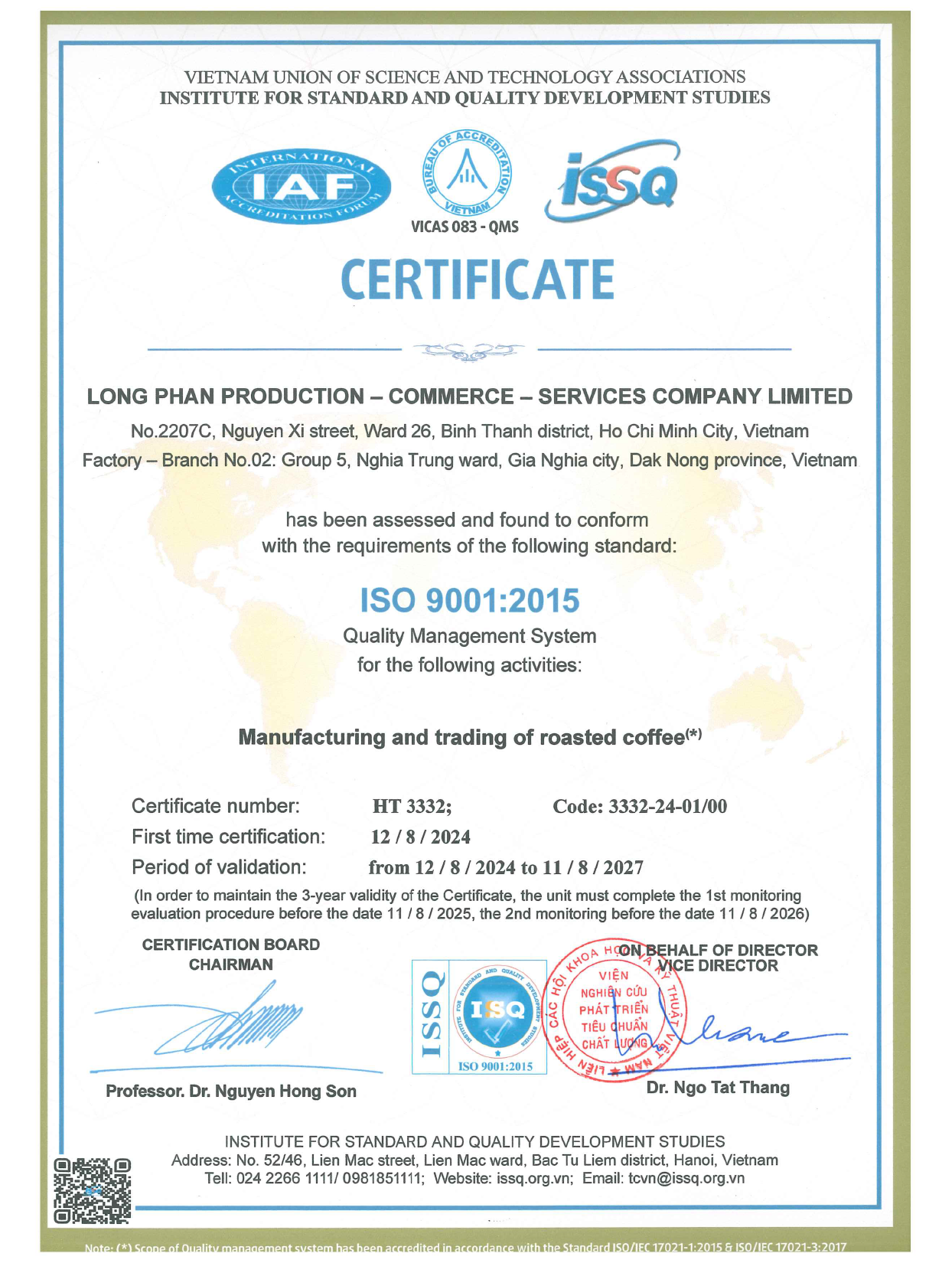
Anyone who has worked in a team knows why clear procedures are important. When different people handle different stages, one missing piece of information can affect everything that follows. ISO 9001 is a quality-management-system standard that helps organisations structure work, clarify responsibilities and monitor opportunities for improvement.
In coffee production, that can mean managing bean intake, equipment checks, lot records and responses to unusual conditions. Imagine buying the same coffee twice: you want confidence that it was made according to consistent principles, rather than depending entirely on whoever happened to be operating the machine that day.
ISO 9001 is useful not because it creates a slogan of 'high quality', but because it encourages organised working habits. When something goes wrong, the company has a basis for investigating the cause and making corrections. To buyers, this offers insight into how consistency is managed. The standard does not prescribe how bitter or acidic coffee should taste.
A well-loved coffee still needs suitable raw material and roasters who understand the beans. Management standards cannot replace those things, but they can help teams work together more effectively. The simple point to remember about ISO 9001 is that it supports organising and improving work to achieve more consistent quality.
3. How do ISO 22000 and HACCP support food safety?
3.1. ISO 22000: Managing food safety throughout production
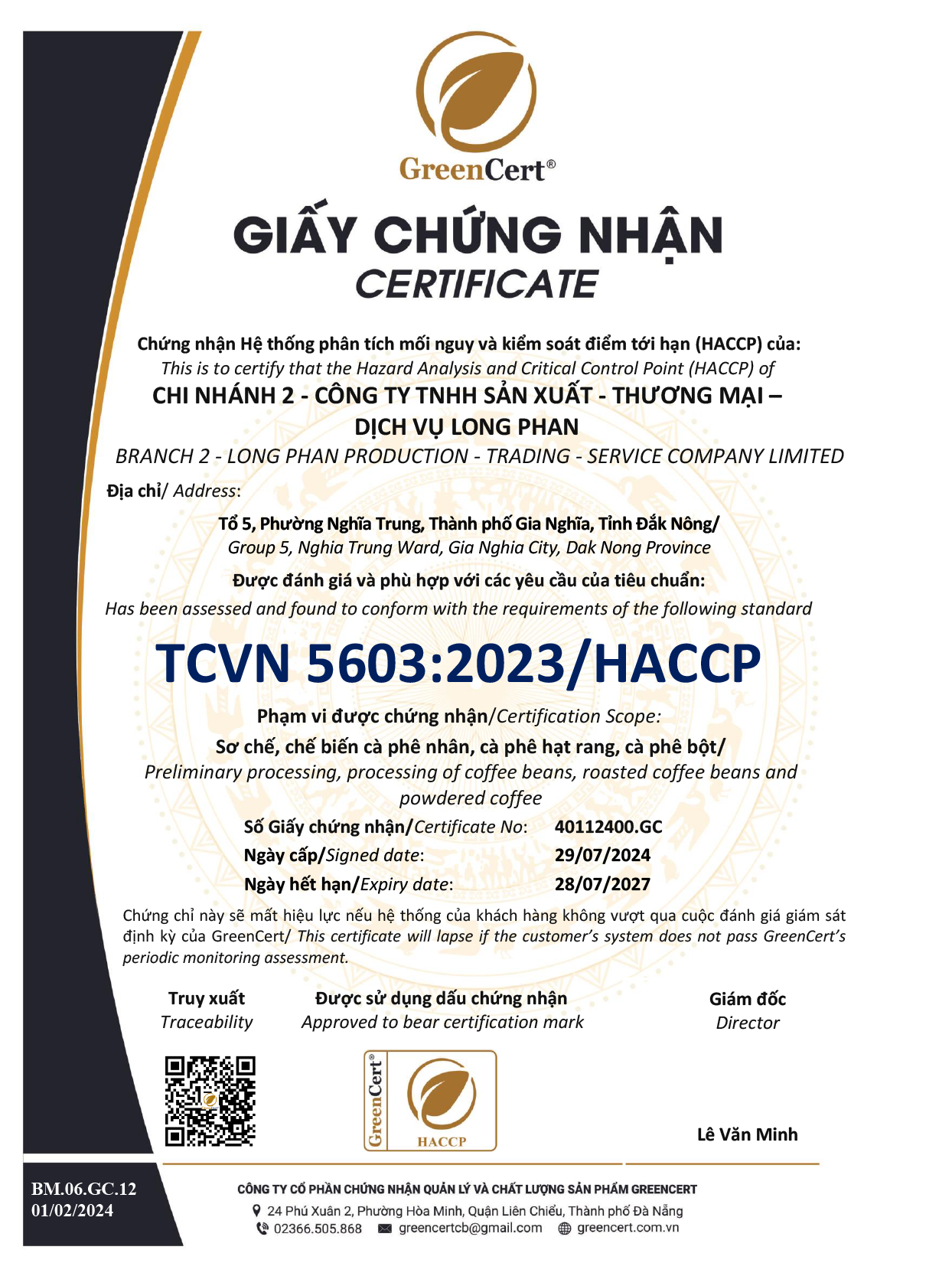
ISO 22000 concerns food-safety management systems. In a coffee-processing facility, food safety does not begin when coffee enters the bag. It involves receiving raw material, using appropriate water, cleaning work areas and protecting coffee after processing. Every stage helps limit unwanted risks.
3.2. HACCP: Preventing problems at critical points
HACCP is an approach for identifying hazards and determining points that need control in food production. It sounds complicated, but consider cooking at home: you do not only taste food when it is finished; you also pay attention to ingredients, utensils and storage throughout preparation. Coffee production works on a very different scale, yet the principle of preventing problems is similar.
ISO 22000 and HACCP are closely related but not two names for exactly the same thing. ISO 22000 establishes requirements for a food-safety management system, while HACCP focuses on identifying and controlling significant hazards. In simple terms, one provides a broader management framework and the other concentrates on points where risk can arise.
For example, raw materials may contain foreign objects that call for sorting. If beans contact water, water quality and hygiene become important. These are everyday concerns because everyone wants their drink made from appropriate ingredients in a carefully managed environment.
Food-safety control is not valuable because of complicated vocabulary. What matters is that the principles are applied and maintained in daily operations. For coffee drinkers, a basic understanding of ISO 22000 and HACCP is enough to recognise that less visible work—hygiene management and risk prevention—also contributes to quality.
4. What does ISO 14001 mean for coffee production?
Quality often makes us think of aroma, strength and the drinking experience. But production also affects the surrounding environment. ISO 14001 is an environmental-management-system standard concerned with how an organisation identifies and manages the environmental impacts of its operations.
At a coffee facility, relevant issues may include water and energy use and waste management. Customers may not see these activities in their cup, but they matter to responsible production. Managing them well places quality within a broader picture.
Importantly, ISO 14001 is not a flavour test and does not measure how much better coffee will taste. If you enjoy clearly acidic Arabica or bold Robusta, those experiences still depend on variety, roasting and brewing. Environmental management concerns a different set of responsibilities, not sensory scoring.
A coffee brand can care about flavour, consistency and responsible production at the same time. These goals complement each other but should not be confused. Knowing what a standard actually covers helps buyers set sensible expectations without memorising technical terminology.
5. What does FDA registration mean for food?
FDA stands for the United States Food and Drug Administration. In the food sector, certain facilities covered by applicable rules must register with the agency. Information about FDA facility registration may therefore appear when researching businesses involved in food supply chains connected to the US market.
The simple but important distinction is this: facility registration does not mean that the FDA has tasted, tested the flavour of or approved every bag of coffee. Those are entirely different matters. Using the precise term 'facility registration' prevents a routine regulatory procedure from being mistaken for individual product endorsement.
For consumers, FDA registration is only one piece of information that may be available about a food business. When choosing coffee, composition, bean type, roast level, storage and clearly stated quality information still matter. A regulatory procedure should not become the only measure of whether a product suits your needs.
6. What can coffee testing tell buyers?
ISO and HACCP mainly concern how production is managed; laboratory testing answers particular questions about the sample submitted. For example, a test may measure moisture or caffeine content in a coffee sample. Those figures are useful when linked to the correct sample and purpose, not when one result is used to make claims about every bag of coffee.
Think of testing like measuring temperature: the reading describes the particular object and time assessed. Coffee is similar. Bean type, whole-bean or ground format and treatment conditions can produce different results. To understand a figure, first find out what sample it describes and what characteristic was measured.
Caffeine is an accessible example. Arabica and Robusta usually differ in caffeine content, but how 'strong' a cup feels also depends on dose and brewing technique. If a report includes caffeine, read the unit and sample identification. One figure does not mean every brewing method using that coffee will deliver exactly the same caffeine quantity.
Moisture answers another question about sample condition, while some microbiological or unwanted-substance tests address safety concerns. These are different groups of indicators; one result cannot describe every aspect of quality. Choosing the right test matters more than filling a product page with technical terms.
For coffee drinkers, the value of testing is its specificity: a clearly identified sample, a measured indicator and an interpretable result. A product description does not necessarily need to publish every individual test figure to communicate that principle. Understanding what tests mean is already a useful and approachable starting point.
At LOPHA, quality control is understood across the journey from raw material to finished coffee. Earlier stages prepare the beans, while assessment checks outcomes against appropriate requirements. Buyers can consider both the published product information and their actual experience of the flavour.
7. Which details on a test report matter?
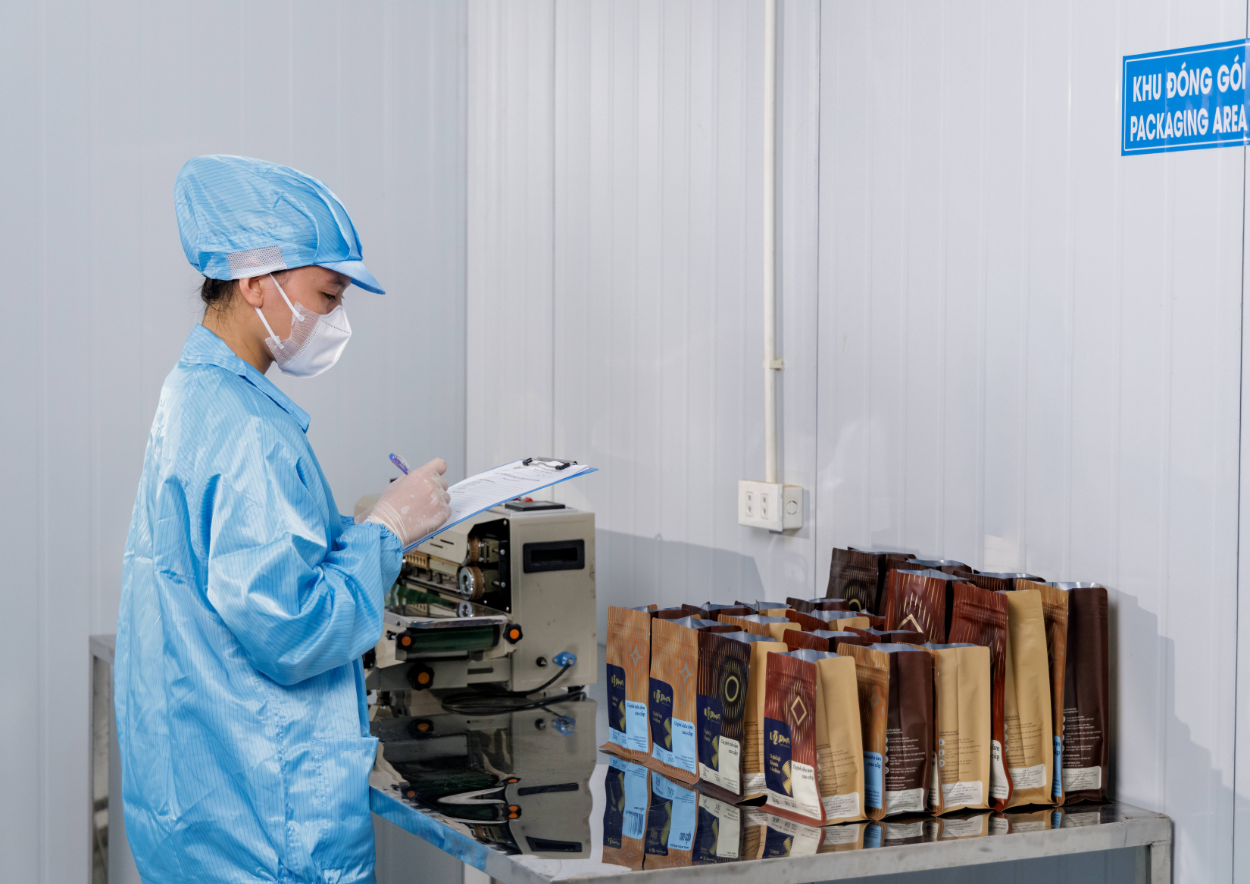
Not everyone needs to read a laboratory report from beginning to end. Three questions provide an easy starting point: what coffee sample was tested, which indicator was measured and which unit expresses the result? Knowing these helps avoid many misunderstandings about technical figures.
One value might be shown as a percentage, another as a mass of substance per mass of sample. Numbers make sense only when read with the indicator name and test method. Coffees intended for different purposes should not be compared simplistically because one number looks larger.
A phrase you may encounter is 'not detected'. This means that the method did not detect the substance at the level the test was capable of measuring. It is different from an absolute claim that the substance is absent from every sample. Buyers do not need laboratory expertise to understand that each result has its own scope and interpretation.
If comparing quality information, start with what directly affects your choice: variety or blend, whole-bean or ground form, suitable roast level and storage guidance. These details are often more practical day to day, while test indicators can add context when you want to investigate further.
8. Why are certification and product testing not interchangeable?
Imagine an organised kitchen with hygiene procedures and staff who check the ingredients. That system is different from sending one serving to a laboratory for a specific test. Coffee is similar: management standards describe how work is organised, while testing provides information about what was examined. Each serves a separate purpose.
A well-run system helps stages work together, but does not mean every bean has undergone every test. Equally, a satisfactory result for one sample cannot describe everything about how a company manages its production. Product information needs to be understood within its correct scope.
At LOPHA, processing moves from raw-material selection and cleaning through roasting and finishing. Later stages do not replace the care needed earlier. Understanding their relationship helps customers recognise that quality comes from the whole process, not one line on a label.
Home coffee drinkers generally want good flavour, easy preparation and clear information. Cafés and offices may also value consistency between deliveries. Despite different needs, the selection principle is similar: look beyond a single certification badge or number and understand the product in the context of how it was made and used.
9. Choose coffee with confidence using information you understand
A worthwhile cup begins with suitable beans, careful processing and a flavour you enjoy. ISO, HACCP and testing help us understand what happens behind that cup without making coffee selection unnecessarily complicated. For LOPHA, providing clear, accessible information helps customers value its products through both confidence and everyday experience.