2022: LOPHA’s Transition from Research to Production Development
Summary: In 2022, LOPHA began moving from research toward developing its growing regions and coffee production. Over the next three years, research ambitions became better-organized activities designed to be maintained consistently.
An idea may begin with flavor, but to become part of everyday life it must turn into practical work. For LOPHA, 2022 marked an important shift: years of research began connecting more closely with growing-region development and coffee production. It meant more than a change of workplace; it also brought a new sense of responsibility for every finished product.
Six years of research from 2016 to 2022 helped LOPHA establish a direction for technology and raw materials. The 2022–2025 stage raised more practical questions: how could research goals be maintained when many lots of beans arrived, teams had to coordinate, and bags of coffee began reaching customers regularly?
Where the Farm and Factory Meet in 2022
Growing regions and factories operate on very different schedules. A coffee tree grows seasonally, shaped by nature and care; a factory works to plans for receiving materials, processing, and finishing products. If both are to pursue quality, these differences must be understood rather than simply eliminated.
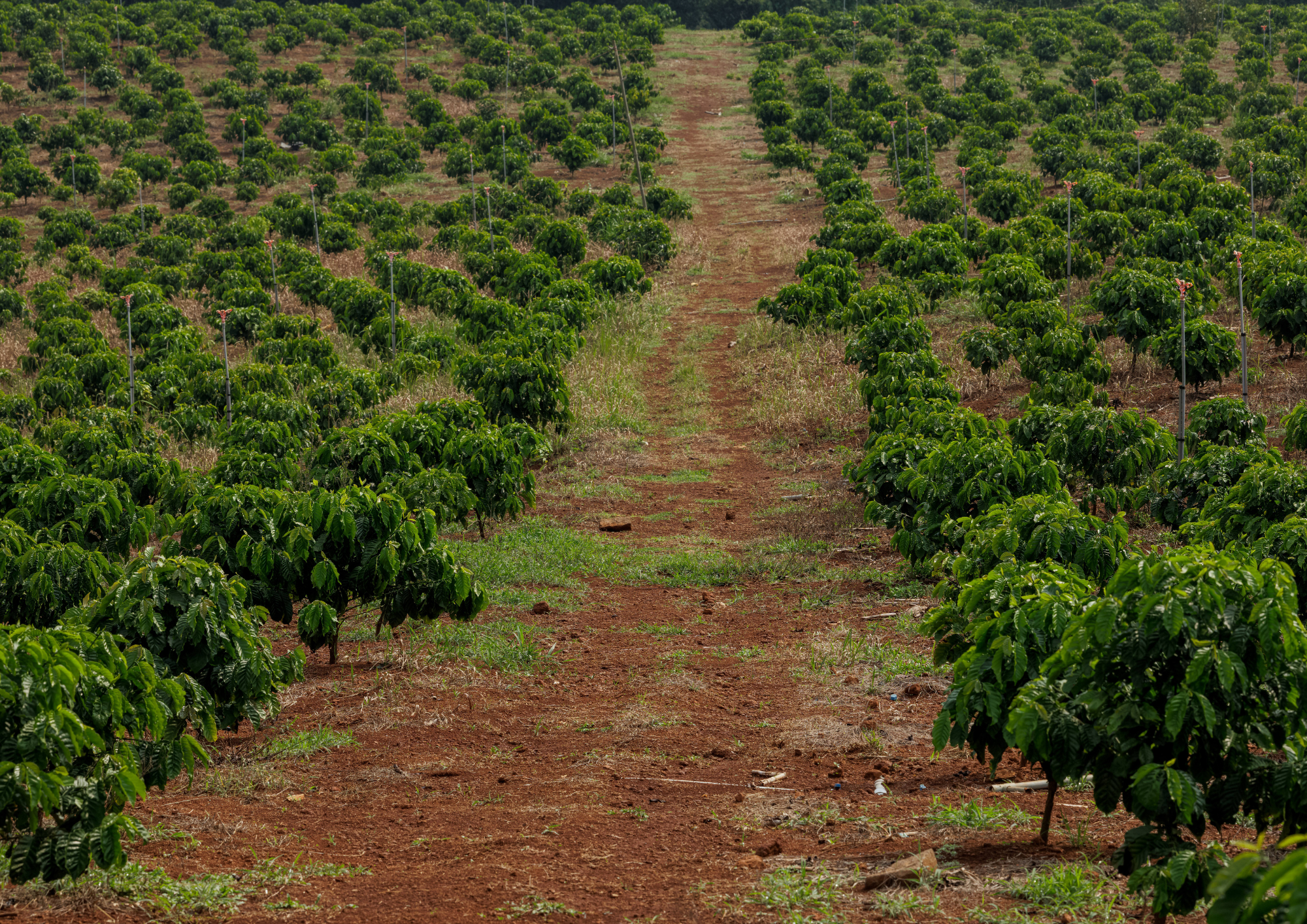
The year 2022 marked a change in LOPHA's approach to developing its growing regions. Working closer to the source broadened the pursuit of purity beyond the research room. Questions became more tangible: how were the plants grown, what properties did beans carry when leaving the growing area, and what should the factory know to receive them appropriately?
For LOPHA, a growing region is more than green hills or seasons of bright red cherries. It is where coffee beans develop through soil, weather, and growers' work. Greater attention to origin became an important direction as the brand moved into its production stage in 2022.
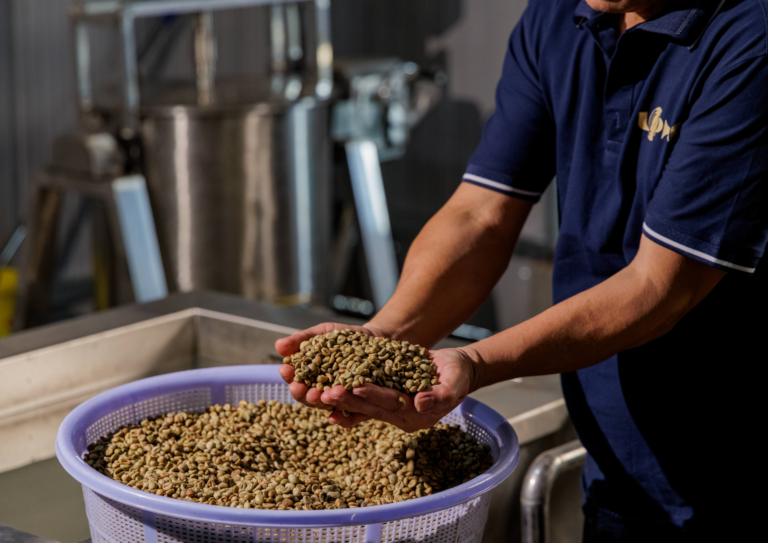
In Lâm Đồng, the raw-material story involves Robusta, harvest seasons, and relationships with growers. LOPHA does not see farms simply as places supplying quantities of beans. They are the beginning of the product journey, where decisions made before the factory can have lasting effects on quality.
Turning Research Results into Repeatable Work
In research, an experiment can be evaluated under conditions chosen to clarify a particular question. Production introduces a much more varied reality. Lots of raw materials are never identical, finishing requirements differ by product, and customers expect consistent quality each time they buy.
An encouraging test result does not automatically become a product that can be sold reliably over time. That requires an organized system: knowing which materials are being received, the role of each department, the conditions that need to be maintained, and how to respond when differences are identified. These tasks may be invisible in the cup, but they help shape the drinking experience.
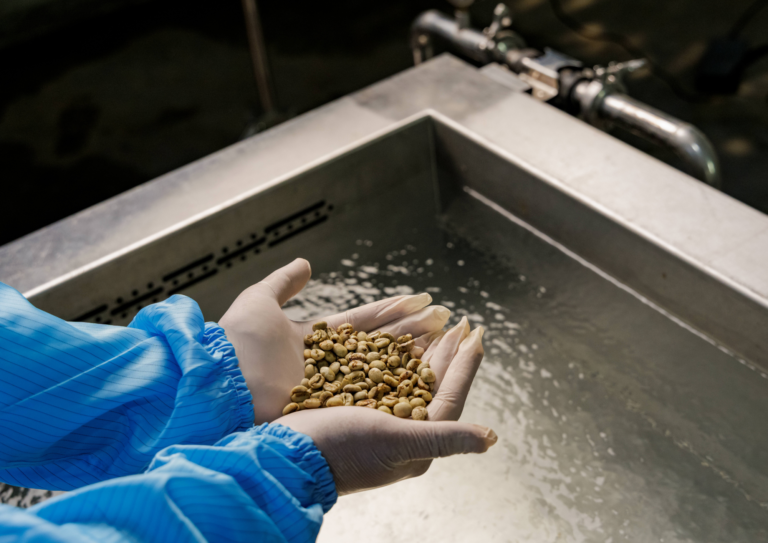
From 2022 to 2025, LOPHA focused on measurement, control, and process refinement. Those three years did not diminish the preceding six years of research. They made it possible to apply technology choices in a real operating environment, connecting people, raw materials, and equipment.
This is what separates an interesting method from a production approach with lasting potential. Technology still has its own purpose, but it must coordinate with other activities toward a shared goal. With proper attention to every stage, a finished product has a better foundation for consistency without erasing the bean's natural differences.
Production Development Goes Hand in Hand with Quality Responsibility
A factory reflects a brand's production capability through its area, output, and organization. LOPHA developed these elements with a common aim: bringing research achievements to more coffee drinkers while continuing to take responsibility for quality.
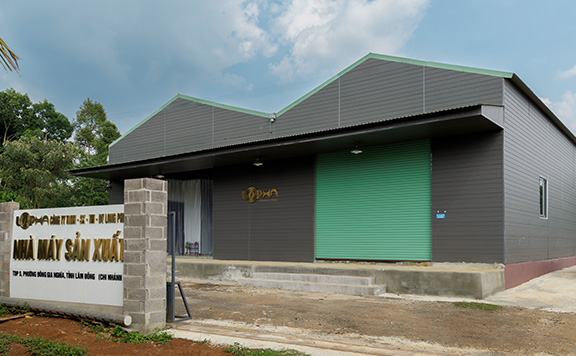
LOPHA's factory in Lâm Đồng currently occupies approximately 0.5 hectares and produces 300 tonnes of coffee annually. The brand also works with ten cooperatives in its raw-material network and plans to expand those relationships. Today's achievements were built through several stages, from technology research and production organization to stronger links with origin.
Factory output is different from the quantity of fresh coffee cherries harvested in the growing region. Beans change in condition and weight before they become finished products. Giving each number its proper meaning is therefore part of transparency and helps customers understand the scale of LOPHA's activities.
For a brand pursuing purity, production capacity is a means of bringing research results closer to coffee drinkers. What matters is not just how much coffee can be made, but whether products have clearly stated ingredients, flavor characteristics appropriate to each variety, and consistent care over time.
Quality Is Built Link by Link
A cup of coffee may offer a very personal experience, but many decisions have already been made before it reaches the table. Raw-material teams need to understand the source; operators focus on processing conditions; quality staff check finished products against requirements; and packaging and distribution teams help protect the product after it leaves the factory.
When departments see their work as links in the same chain, coordination becomes more proactive. Information from growing regions is connected to factory requirements, while differences in finished products are considered against the full production process. Quality is therefore the result of communication and shared responsibility, not just one machine or stage.
LOPHA entered its process-refinement stage with that direction. Goals for cleaning, protecting raw-material characteristics, and bringing pure coffee to customers needed to form one system. Coordination made the production journey more responsible, rather than depending on one outstanding machine or one successful experiment.
From receiving raw materials to finishing products, much of the work behind each bag of coffee takes place quietly. LOPHA aims to connect those tasks in one system, so that flavor and product information receive consistent attention whenever customers choose the brand.
How 2022 Set the Stage for Further Refinement
The turning point of 2022 cannot be separated from the inspiring experience of 2016. Questions about original flavor led LOPHA into research; research results then motivated growing-region and production-system development. The stages were different but pursued one goal: allowing products to express what the brand genuinely wanted to preserve.
As production was refined between 2022 and 2025, LOPHA gained a clearer perspective on the value of raw materials at origin. A factory can continue the journey and control many factors, but it cannot rewrite the history of beans that have already passed through harvest seasons and initial processing. That realization formed a bridge to the research undertaken in 2025.
Seen from today, 2022 was when an aspiration began to take a more concrete shape in production. Beans were no longer only subjects of research; they became a meeting point between the land, coffee professionals, the factory, and consumers. That transition helped LOPHA advance in its search for purity while accepting a responsibility to keep improving the fundamentals.