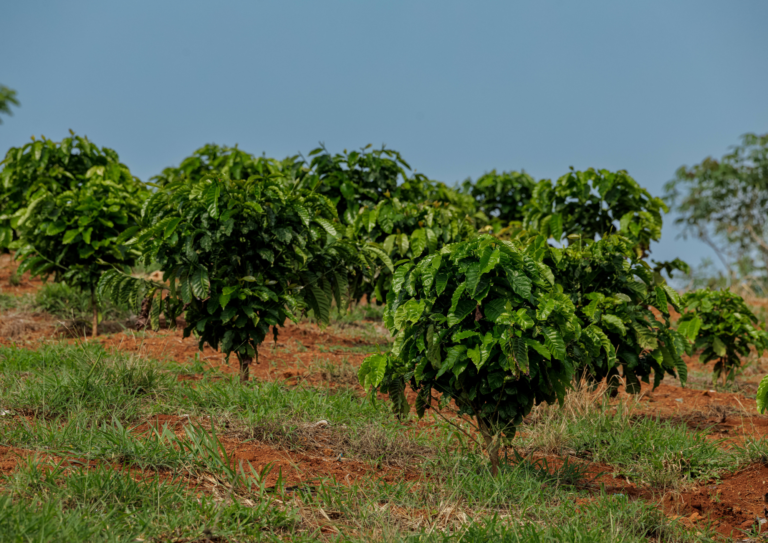
From the Growing Region to the Research Lab: What Did LOPHA Learn About Coffee Beans?
Summary: A growing region tells a story about soil, water, varieties, and harvest seasons; research helps us observe factors we cannot recognize from a cup alone. LOPHA brings these perspectives together to understand coffee beans more deeply.
A coffee bean looks simple when held in the palm of your hand. Yet behind its small shape are a growing region, harvest seasons, growers' work, and countless changes before it reaches the factory. When LOPHA began researching in 2016, questions about original flavor expanded into a desire to understand the bean itself more completely.
From growing regions to research facilities, every perspective supplies part of the answer. Where a bean grows shows how natural conditions and care can make a difference; research helps coffee makers observe issues that are hard to recognize with the naked eye or from a single tasting. These two approaches complemented each other during the first six years of LOPHA's journey.
One Cup Raises More Questions Than You Might Expect
The cup of clean, pure coffee enjoyed at an acquaintance's home in 2016 left a memorable impression on the people who initiated LOPHA. But what made that cup remarkable also prompted a question: why could it taste so different from everyday experiences, and what had happened before the coffee was roasted, ground, and brewed?
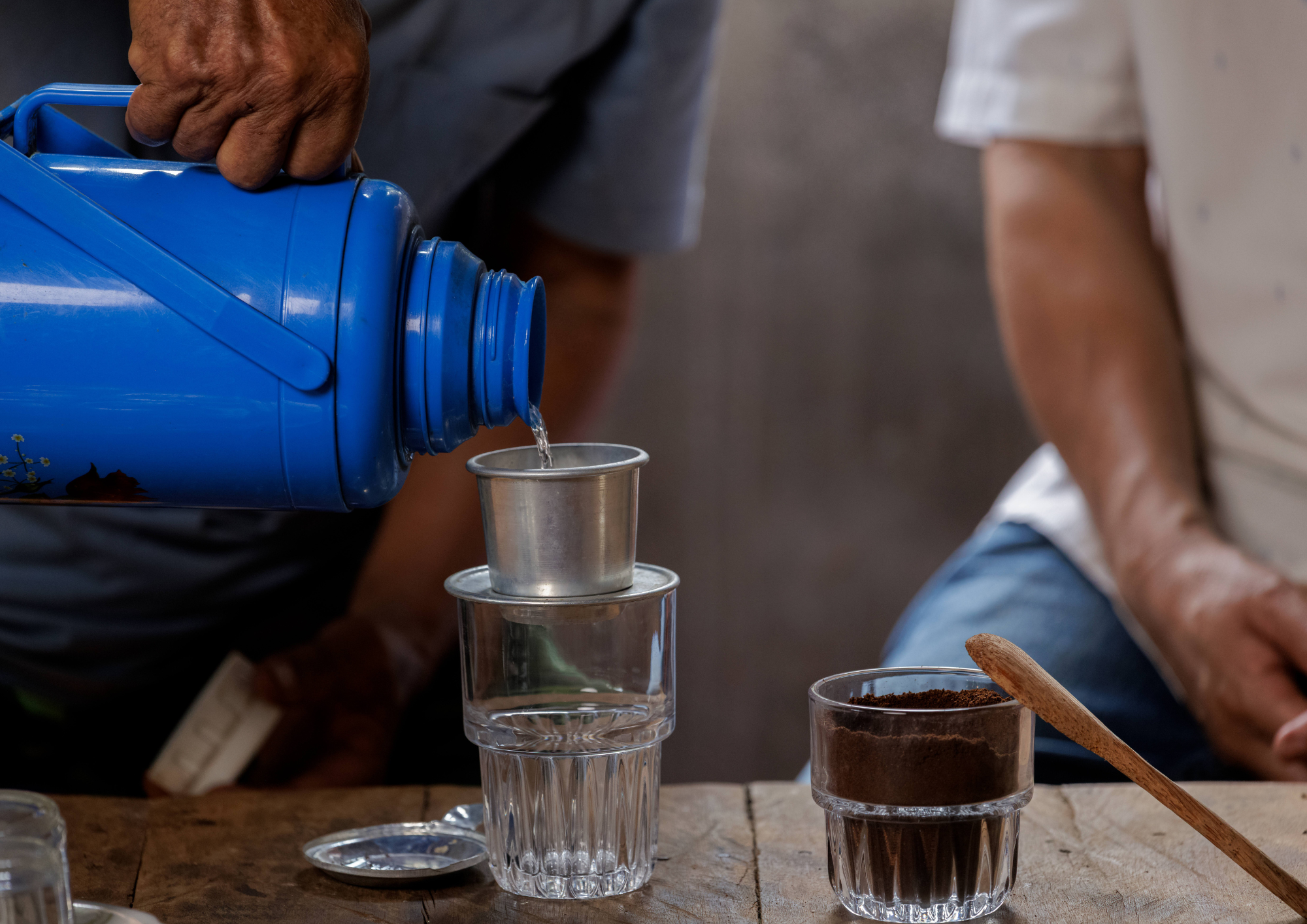
A cup may have delicate aromas, a full body, noticeable acidity, or a lingering finish. Those sensations alone, however, cannot reveal every growing condition or establish the raw material's safety. Flavor depends on variety, growing conditions, post-harvest processing, roasting, and brewing. Understanding all these factors requires more layers of observation than one tasting provides.
A research mindset asks questions that extend beyond personal taste. What characteristics do the beans carry when they leave their growing region? What causes differences between lots? Which effects during processing deserve attention so the final product can express the beans' natural character?
For LOPHA, these early questions meant the journey did not end with creating a new flavor formula. The brand wanted an approach that could combine respect for raw materials with the ability to make dependable products for everyday life.
Every Coffee Bean Has a History in Its Growing Region
Coffee plants grow according to nature's rhythms. Soil, water, temperature, wet and dry seasons, and human care all matter when studying the raw material. No farm is entirely separate from these conditions, and no single factor can explain every difference between coffee lots.
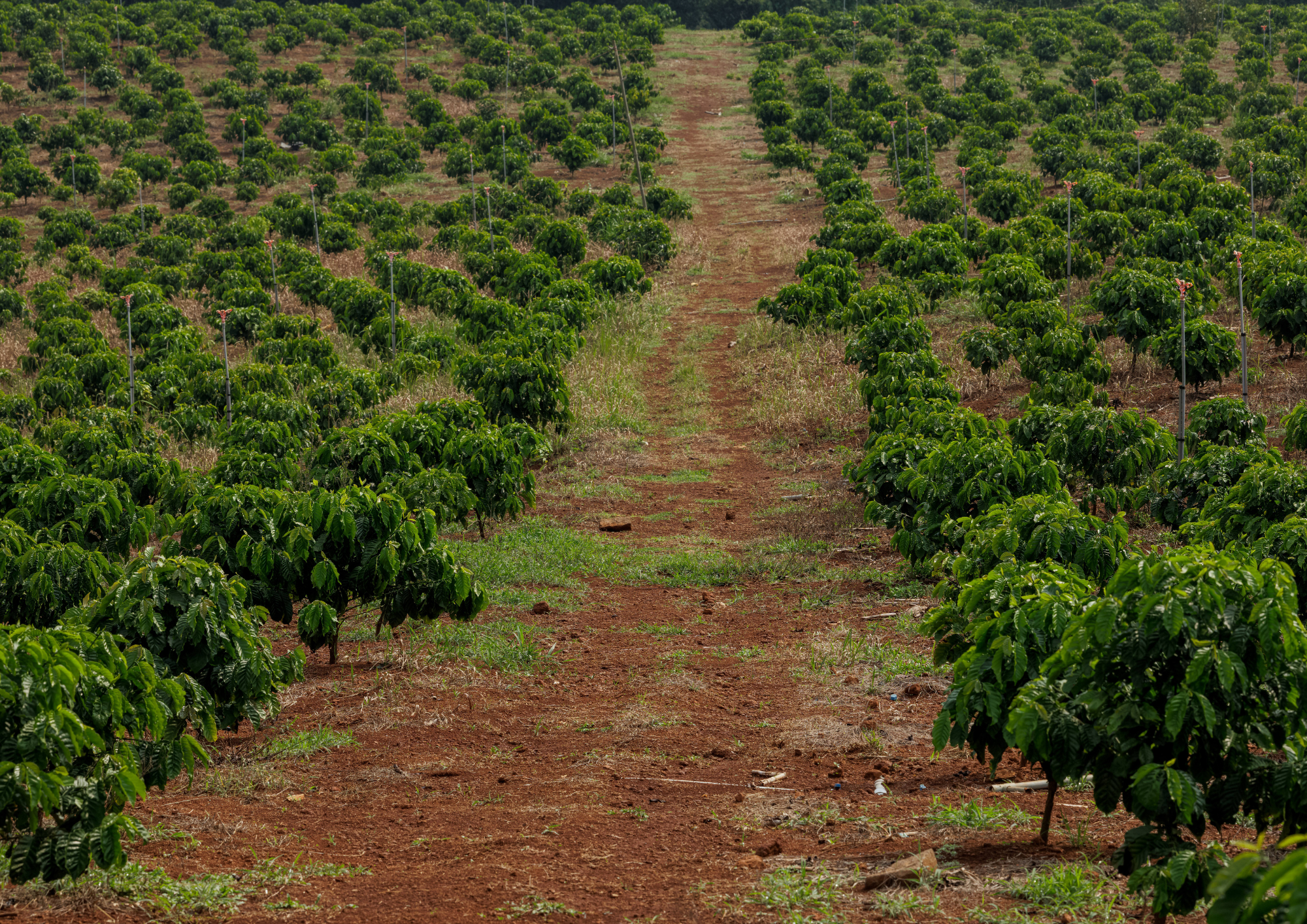
LOPHA's initial growing area in Lâm Đồng covers approximately 10 hectares, is associated with Robusta, and yields about 55 tonnes of fresh coffee cherries annually. This source carries its own story of land, seasons, and people, forming a foundation for LOPHA to research bean characteristics and suitable processing methods. Fresh-cherry output from the growing area is clearly distinguished from the factory's finished-coffee output.
Robusta has a deep place in Vietnamese coffee culture. Many enjoy its pronounced bitterness, rich body, and lingering finish. Yet even within Robusta, raw materials can differ by growing region or harvest season. Paying attention to those differences gives coffee makers a broader perspective on what to expect from the finished product.
Researching growing regions is therefore more than finding land where coffee can grow. It means learning which factors affect beans and seeking a good fit between supply and processing goals. For LOPHA, respecting origin is the foundation for asking practical questions in technology research.
From Sensory Impressions to Systematic Observation
A coffee lover may notice that today's cup tastes different from yesterday's. That impression is a valuable starting point, but it does not explain why. Even within one variety, differences can arise from raw materials, roasting, grinding, brewing water, or preparation. To understand them, these factors must be considered together.
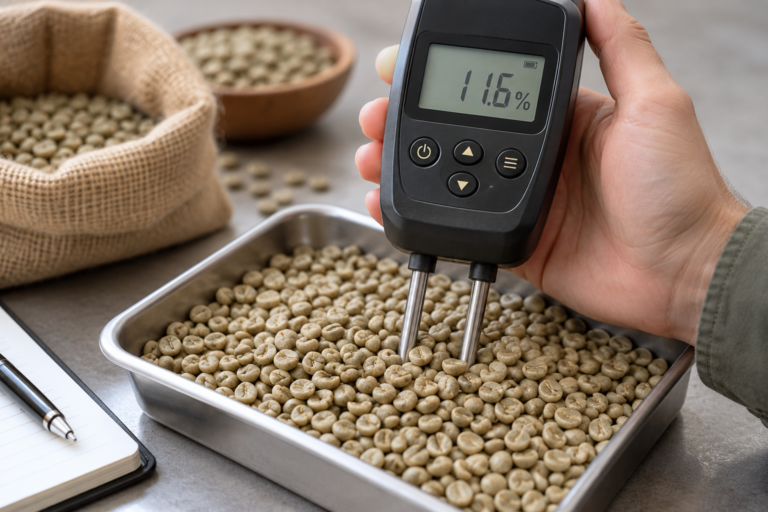
Raw-material research helps LOPHA understand beans before and after treatment. When cleaning is the focus, the brand considers raw-material condition and the suitability of each method; when preserving original flavor, it looks at how the stages work together to protect the individuality of each variety. Both lines of inquiry were connected during its first six years of research.
From the beginning, this journey called for persistence. Not every question can be answered by one test or a sophisticated machine. Observing raw materials and how beans respond to processing helps coffee makers progressively narrow their options and find approaches better aligned with product goals.
This perspective also makes research more relatable to coffee drinkers. Behind every bag is more than a recipe: there are many decisions grounded in understanding the ingredients. When that knowledge informs production, the product has a stronger basis for expressing the qualities the brand wants to share.
Choosing Technology Based on the Beans' Needs
Technology matters only when it serves a defined purpose. In searching for solutions, LOPHA focused on cleaning raw materials while respecting the beans' inherent characteristics. That is why ultrasonic technology became an important research direction during the first six years.

Ultrasonic waves are applied in water to produce physical effects that assist cleaning. Yet adding technology does not make other stages unnecessary. Good raw materials still matter, processing must still be organized appropriately, and finished products must still meet their own evaluation criteria.
Choosing a technological direction also means understanding its limits. Coffee beans are not perfectly uniform materials under every condition. Different lots can have different characteristics, and every treatment must fit within the broader system rather than become an unchanging formula.
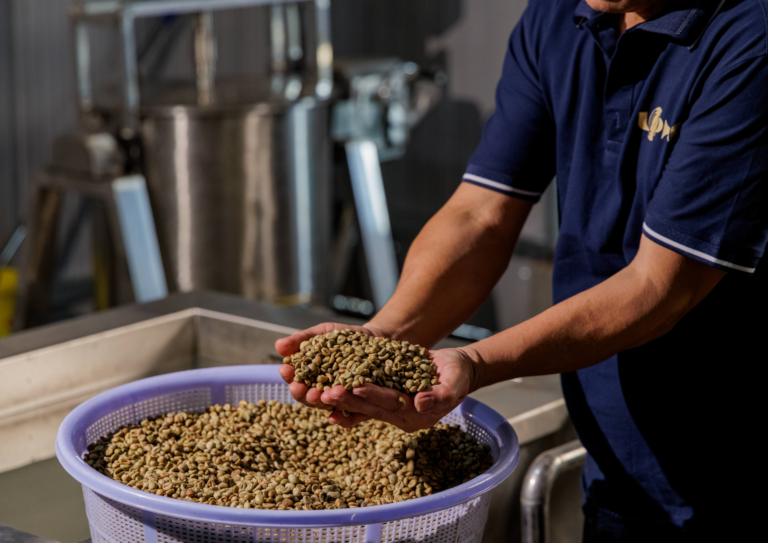
Using ultrasonics helped LOPHA develop an approach to cleaning coffee beans in water. The technology connects with other tasks, from selecting raw materials to finishing products. The brand therefore treats it as one part of a processing system in which each stage contributes to overall quality.
From the First Six Years to Production Today
Looking back at 2016–2022, six years of research helped LOPHA turn one taste impression into deeper questions about raw materials and technology. The transition was not immediately visible, but it influenced how the brand developed products in the years that followed.
From 2022, LOPHA continued developing its growing-region activities and refining production processes. In 2025, it returned to studying initial processing at origin, seeking a closer connection between what happens before the factory and what happens within it. These successive stages show that understanding raw materials is not something finished with a single conclusion.
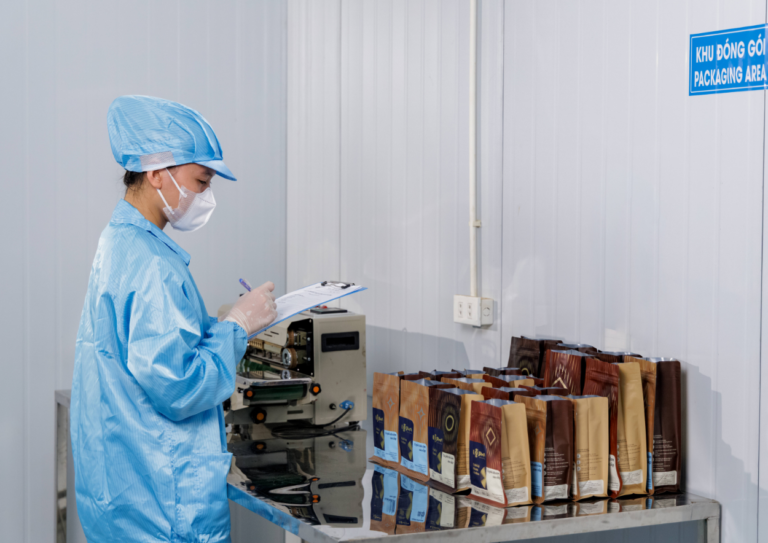
LOPHA now operates a factory of approximately 0.5 hectares in Lâm Đồng with annual production of 300 tonnes of coffee, while working with ten cooperatives in its raw-material network. These figures reflect the current scale and may change as operations expand. Behind them is a brand that has spent years studying coffee beans from different perspectives.
Perhaps the lasting value of those six years is not finding one answer for every type of coffee. It is an attitude that refuses to treat beans as anonymous ingredients. Each bean has its own origin and character; the coffee maker's role is to understand and respect those qualities and bring them to the cup as authentically as possible.