What Value Does Modern Coffee Processing Technology Bring to Businesses?
Summary: New equipment does not automatically guarantee better quality or higher profits. Technology creates value only when a business identifies the right task and evaluates effectiveness, cost, operational practicality and team capability. LOPHA's ultrasonic research journey offers a practical perspective on choosing coffee-processing technology: modern solutions need to be appropriate, honestly described and sustainable in the long term.
New equipment may make a production line look more modern, but no technology suits every business. Before investing, the most important question is not how many features a machine has, but which problem it solves for the raw materials, the product or the operation.
While exploring coffee-processing technology from 2016 to 2022, LOPHA investigated ultrasound as an approach to helping clean bean surfaces. That choice highlights a wider issue in the industry: technical performance must be considered alongside cost, staffing, day-to-day operation and the value coffee drinkers actually receive.
1. Where Should Investment in Coffee Processing Technology Begin?
In manufacturing, technology is a means to an end, not an end in itself. A coffee factory hoping to improve quality must determine whether its main challenge concerns raw materials, consistency, processing capacity or market requirements.
1.1. Identify the Right Problem Before Choosing Equipment
If the goal is to help remove substances adhering to bean surfaces, the company should investigate technologies designed for that task. If the goal is to make roasting batches more uniform, solutions may instead relate to the roasting system and data monitoring.
Focusing on the wrong problem can lead to expensive equipment that fails to address the real bottleneck. This is why LOPHA put raw material research at the centre of its decision to investigate ultrasound, rather than treating technology as merely a marketing feature.
1.2. How Should a Promising Trial Result Be Interpreted?
When a supplier presents equipment, technical specifications or test results from a single sample can be impressive. Actual performance, however, also depends on the raw material, operating conditions and evaluation methods.
In ultrasonic processing, physical effects may help dislodge some materials attached to bean surfaces in water. That does not mean all hazards within the beans can be completely removed. Businesses must judge performance against the specific task they are trying to accomplish.
2. The Purchase Price Is Only Part of Technology Costs
When investing in equipment, companies often focus on the initial purchase price. But running a machine for years also involves labour, electricity, water, maintenance and downtime.
2.1. How Do Capital and Operating Costs Differ?
Capital costs include equipment, installation and everything needed to integrate a machine into the production line. Operating costs arise during each shift or batch: energy, water, consumables, labour and maintenance.
Consider a hypothetical example: a machine consumes 5 kWh per batch while processing 100 kg of raw material under test conditions. Its specific energy use is 0.05 kWh/kg. If actual output per batch is lower, electricity use per kilogram increases. This is an energy-management illustration, not a LOPHA machine specification.
A figure printed on a specification sheet is therefore not enough to establish the real cost of use. Actual output, running time and supporting work must also be considered.
For another illustration, assume that a machine uses 5 kWh for a batch of 100 kg under particular test conditions, giving 0.05 kWh/kg. If it processes only 60 kg in the same period, the electricity allocated to each kilogram rises to around 0.083 kWh/kg, even before cleaning time, water and labour are included. These figures are hypothetical, not specifications for LOPHA's ultrasonic equipment; they show why technology needs to be assessed according to its actual load and the work that accompanies it.
2.2. Why Is Equipment Downtime Also a Cost?
A fast machine that takes a long time to clean or frequently stops for maintenance may reduce useful production time. In a multi-stage line, one process running behind schedule can leave raw materials waiting.
Technology must be assessed across the whole system, not one machine at a time. Equipment that performs well on small samples but is difficult to integrate into other stages may prove challenging in everyday operations.
3. What Role Do People Play in Using New Technology?
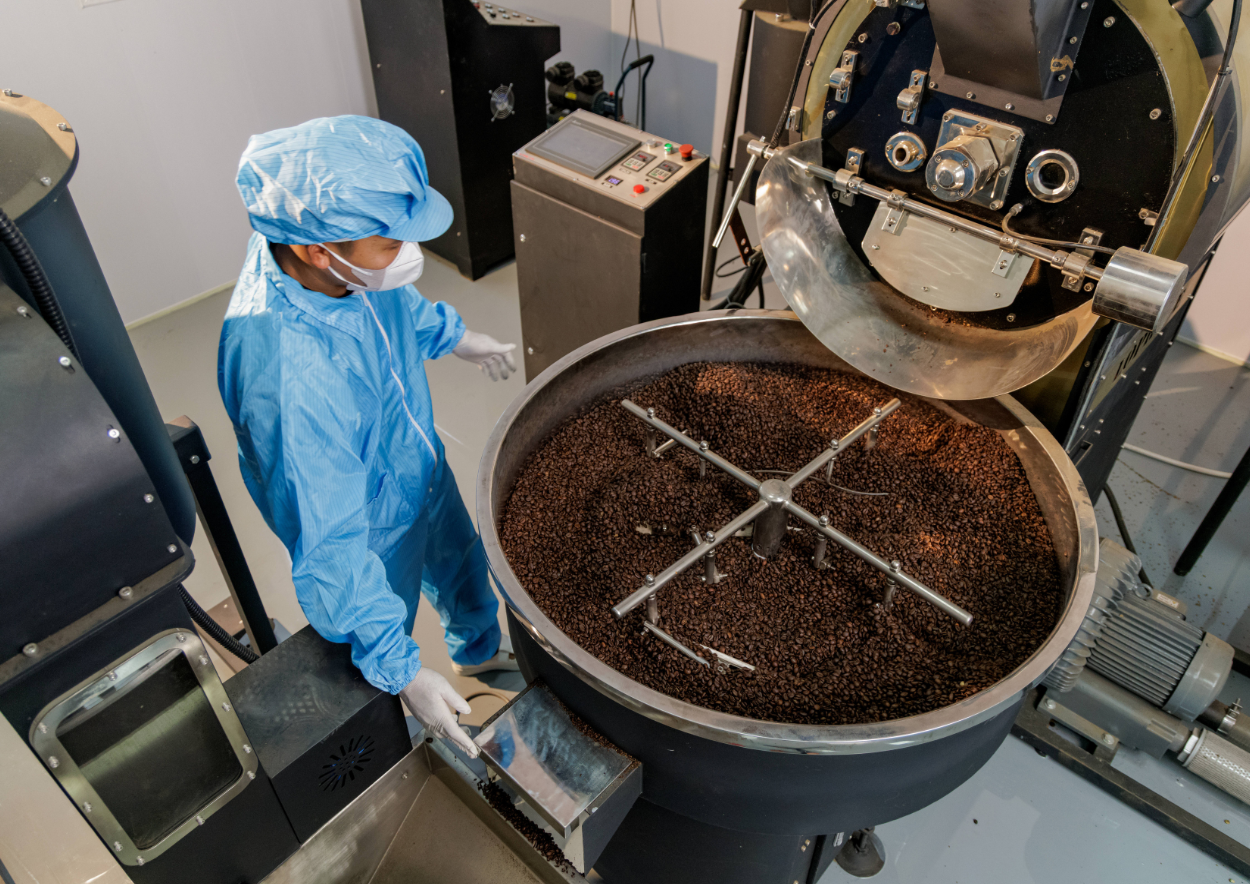
Machines cannot guarantee quality by themselves. Staff need to know when raw materials are suitable for treatment, how to operate the equipment and what to do when results are unusual. Skilled operators help technology deliver more consistent outcomes.
3.1. Train for Understanding, Not Just Button-Pressing
Operators need to understand their process's purpose, the factors affecting results and how to report problems. Someone who memorises the button sequence without understanding the goal may fail to notice an unusual change.
Training should also cover hygiene, safety and shift handovers. These costs are sometimes overlooked when comparing equipment quotations.
Two employees on the same shift may both know how to start a machine, yet react differently if raw materials arrive late or the batch size changes. Instructions should therefore cover both standard operations and how to record deviations and notify a supervisor. Good training reduces reliance on one person's informal experience and discourages staff from continuing to operate when real conditions fall outside the agreed parameters.
3.2. Monitoring Results Enables Continuous Improvement
When raw material conditions change, identical machine settings may not always produce identical results. Production logs, processing times and feedback from the quality team can help a business assess performance appropriately.
Recording data is not about turning every employee into a researcher. It helps identify differences early and avoid repeating mistakes, while supporting cooperation between R&D and production teams.
4. When Can Technology Become a Competitive Advantage?
A machine widely available on the market does not automatically give a company a unique advantage. That advantage emerges when technology is used for the right purpose, mastered by the team and connected to benefits customers can recognise.
4.1. Technological Differences Must Deliver Real Value
For coffee drinkers, the questions that matter most are straightforward: are the ingredients clear, does the coffee suit their taste, and is quality consistent? Technology has commercial meaning when it helps a business answer these questions better.
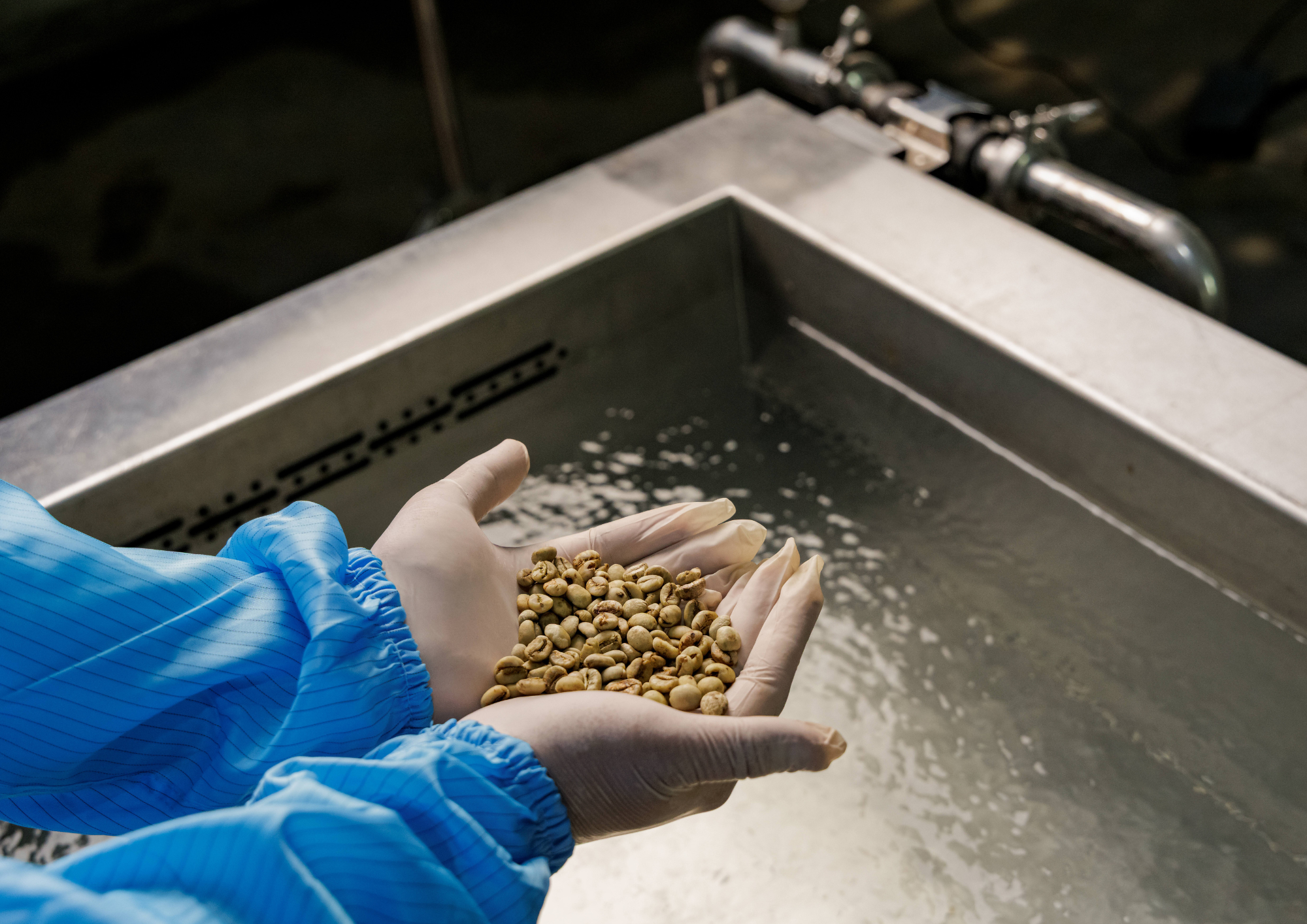
LOPHA uses ultrasonic technology within its production system as part of its focus on raw coffee before roasting. This is an important part of its identity, but product value also comes from choosing raw materials, roasting, packaging and many other management activities.
4.2. Technology Should Never Replace Honest Information
A technology founded on scientific principles does not make every performance claim valid under every condition. Any reduction in a substance or sensory change must be linked to the relevant measurement, sample and real-world conditions.
Through its value of Honesty, LOPHA can explain ultrasound accurately as a method that helps clean bean surfaces, without turning that role into sweeping claims about every aspect of safety or quality.
5. Technology Choices in LOPHA's Development Journey
The year 2016 marked the beginning of research into solutions for pure coffee. Research during 2016–2022 helped establish the technological direction; the 2022–2025 period then focused on developing production activities.
Research helped LOPHA identify suitable approaches, while production development brought those solutions into day-to-day operations. In the 15-step journey towards pure coffee, ultrasonic equipment is only one part of the interconnected work that takes beans from raw material to finished product. Investment value must therefore be considered alongside staffing, time and the ability to maintain quality.
5.1. Investment Works Only with a Sound Operating Plan
For a factory, technology must suit the available raw materials, desired output and team capabilities. If the final product does not meet market needs, technical improvements alone are unlikely to deliver commercial success.
Technology assessment must therefore be connected to market research and product goals. An effective solution delivers value where it is needed and has manageable operating costs.
5.2. The Long-Term Value Is the Ability to Learn
When a company gains experience in evaluating, operating and improving technology, that capability extends beyond a single machine. It also makes future development decisions more grounded and less vulnerable to passing trends.
6. Good Technology Serves the Right Purpose
The coffee industry needs both traditional knowledge and new solutions. Choosing technology does not mean dismissing established processes; it means identifying which method best supports the intended goal.
For LOPHA, ultrasonic technology grew out of its research into raw coffee and marked an important step in its purity journey. But product quality remains the result of many activities working together.
When consumers understand what technology is intended to do, brand value can rest on clarity and consistency rather than on a modern-sounding term alone.