Cleaning and Pulping Coffee Cherries
Summary: Freshly picked coffee cherries are not yet ready for every processing stage. Even among ripe cherries, leaves, twigs, soil, stones and fruit that needs separate sorting may be present. Once the cherries are cleaned, appropriate pulping methods remove the outer skin and pulp. LOPHA presents cleaning, sorting and pulping as the second step on the journey from the growing area to the factory.
Why coffee cherries need sorting before processing
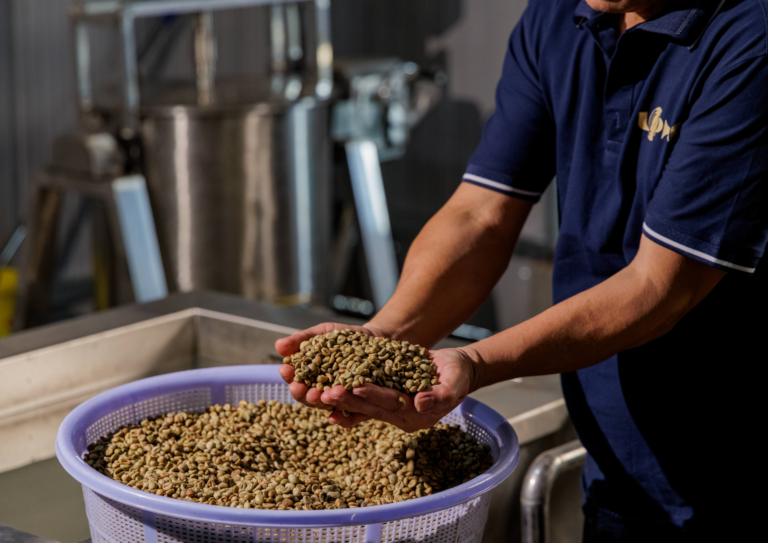
When a truckload of freshly harvested coffee cherries reaches a processing facility, the first step should not automatically be to tip everything straight into the pulper. Even cherries selected in the field may contain leaves, stalks, soil, stones or fruit that does not meet the desired quality. During collection and transport, cherries can also become bruised, mix with other harvest batches or show signs that warrant separate inspection. Cleaning and sorting therefore form an important transition between the farm and the processing line.
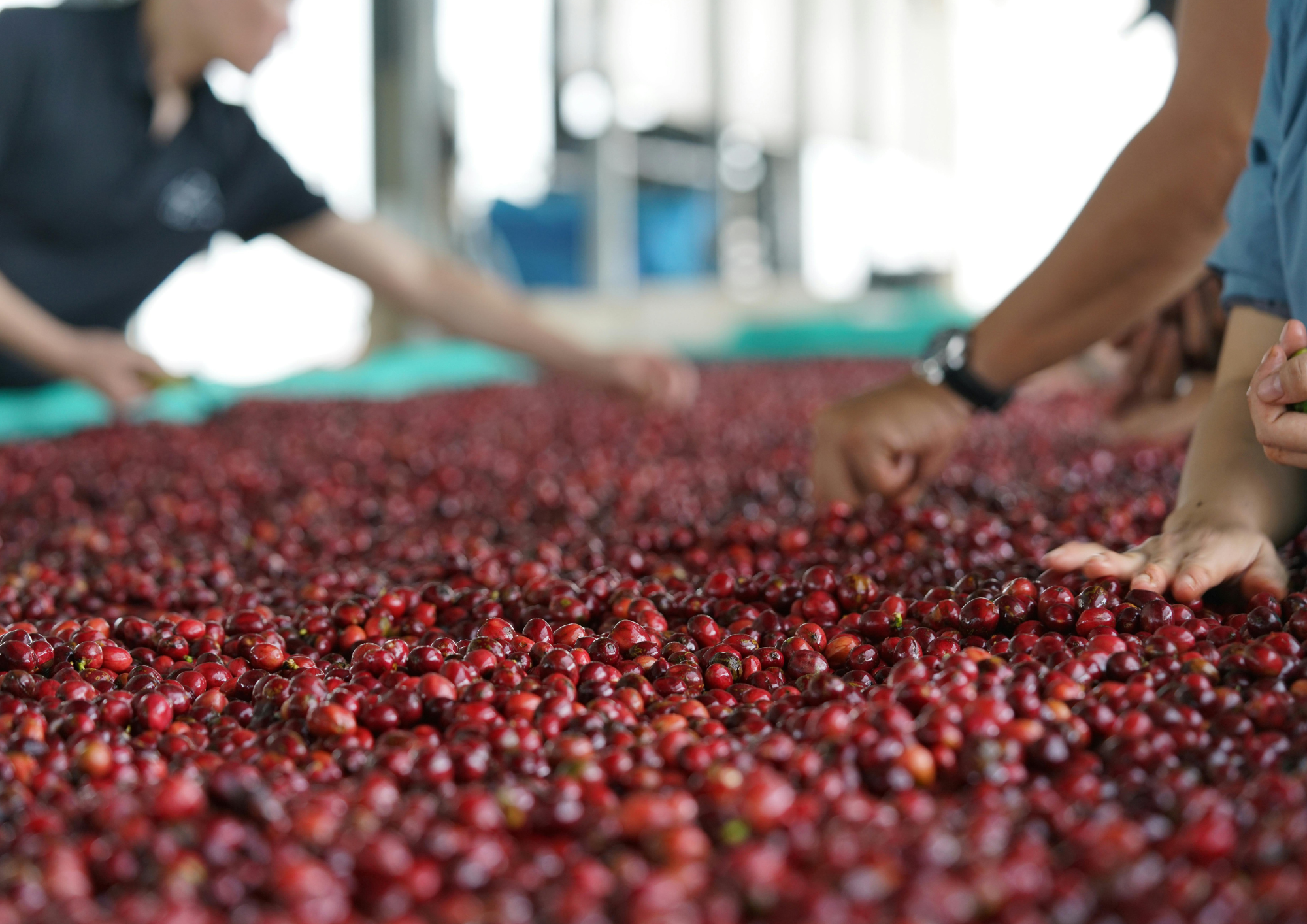
Cleaning removes material that does not belong in the desired raw product, while sorting separates cherries with different characteristics. The two tasks often happen together, but they are not the same. Removing a leaf is cleaning; setting aside floating cherries or fruit that has not reached suitable ripeness is sorting. Understanding the objective helps operators choose an appropriate method instead of expecting one machine to solve every problem.
A washing tank or screening machine may seem like a small detail, yet it affects the selection of raw materials. At this point, the processing facility decides which fruit continues along the main line, which requires separate handling and which is unsuitable. This is one of the steps that shapes quality before coffee reaches the green-bean stage.
What can get mixed in with coffee cherries?
Unwanted material can enter during harvesting. Leaves and stalks may fall into baskets while picking; soil and stones can come from collection areas or vehicles; and foreign objects can appear if containers are not checked before use. Larger contaminants are usually easier to spot, but smaller pieces may become trapped among the cherries and require screens, water or careful inspection to remove effectively.
Not everything that should be removed is a foreign object. Dried, insect-damaged, split or otherwise abnormal cherries can also make a batch less uniform. These groups should be assessed against the applicable standards and the intended product. Sending them all into the pulper together increases the likelihood of different cherries behaving differently during the same operation, creating difficulties later on.
If foreign material appears repeatedly, a lasting improvement is not simply to add another washing cycle. Producers should identify where it enters: during picking, at the collection yard or on the truck. Tracing the causes helps correct the problem at its source, reducing wasted water and labour compared with repeatedly treating the same issue.
Initial cleaning with screens and suitable handling
Screening is a common way to separate materials by size or certain mechanical properties. With fresh coffee cherries, screens and other initial cleaning steps can help remove items that are too large, too small or unsuitable for the material stream. Their effectiveness depends on equipment design, fruit uniformity, feed rate and the actual contaminants present.
Mechanical handling should be arranged so that removed debris cannot re-enter the clean cherry stream. If leaves, soil or stones are collected right beside the route taken by cleaned fruit, sorting results may be compromised. Keeping the raw-material stream separate from by-products is a basic principle of effective cleaning. Equipment must also be cleaned and inspected before operation so it does not introduce new contaminants.
Depending on the processing facility, manual sorting can still provide valuable support. Operators can spot and remove unusual cherries that machinery does not reliably identify. People and machines need not be seen as competing approaches. A suitable process often combines equipment with targeted human inspection rather than relying entirely on a single method.
Water sorting and understanding flotation correctly
Flotation is commonly used in coffee processing. When cherries are placed in water, differences in density and internal condition cause some to float while others sink. Producers use this behaviour to help separate groups of fruit before the next stages. Although the principle is easy to picture, flotation should not be regarded as an infallible test that distinguishes every good cherry from every bad one.
Floating cherries may be dry, hollow or have other characteristics that affect buoyancy, but the specific reason must be assessed for each batch. Sinking cherries are not automatically free of internal defects either. Water therefore offers another way to observe and separate fruit; it cannot replace ripeness checks, damage assessment or inspection later in the process.
It is important to distinguish flotation from washing. Washing mainly removes or carries away dirt adhering to the outside, whereas flotation uses whether cherries float or sink to help separate them into groups. Both effects can occur at the same time, but their success is assessed differently. To sort potentially hollow fruit, operators need to examine separation performance; to assess cleaning, they need to inspect the remaining contaminants.
What layers are inside a coffee cherry?
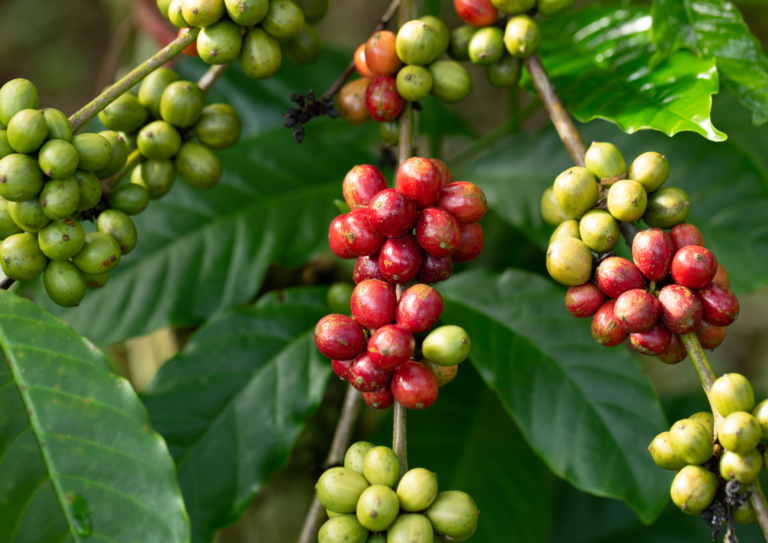
A suitably ripe coffee cherry generally has softer flesh than an unripe one. This affects the force needed to pulp it, the way the fruit passes through the pressing mechanism and the amount of pulp remaining afterward. If ripeness varies greatly within one feed stream, a machine may process one group well but damage another. Sorting cherries before pulping therefore has a direct practical purpose, not merely a cosmetic one.
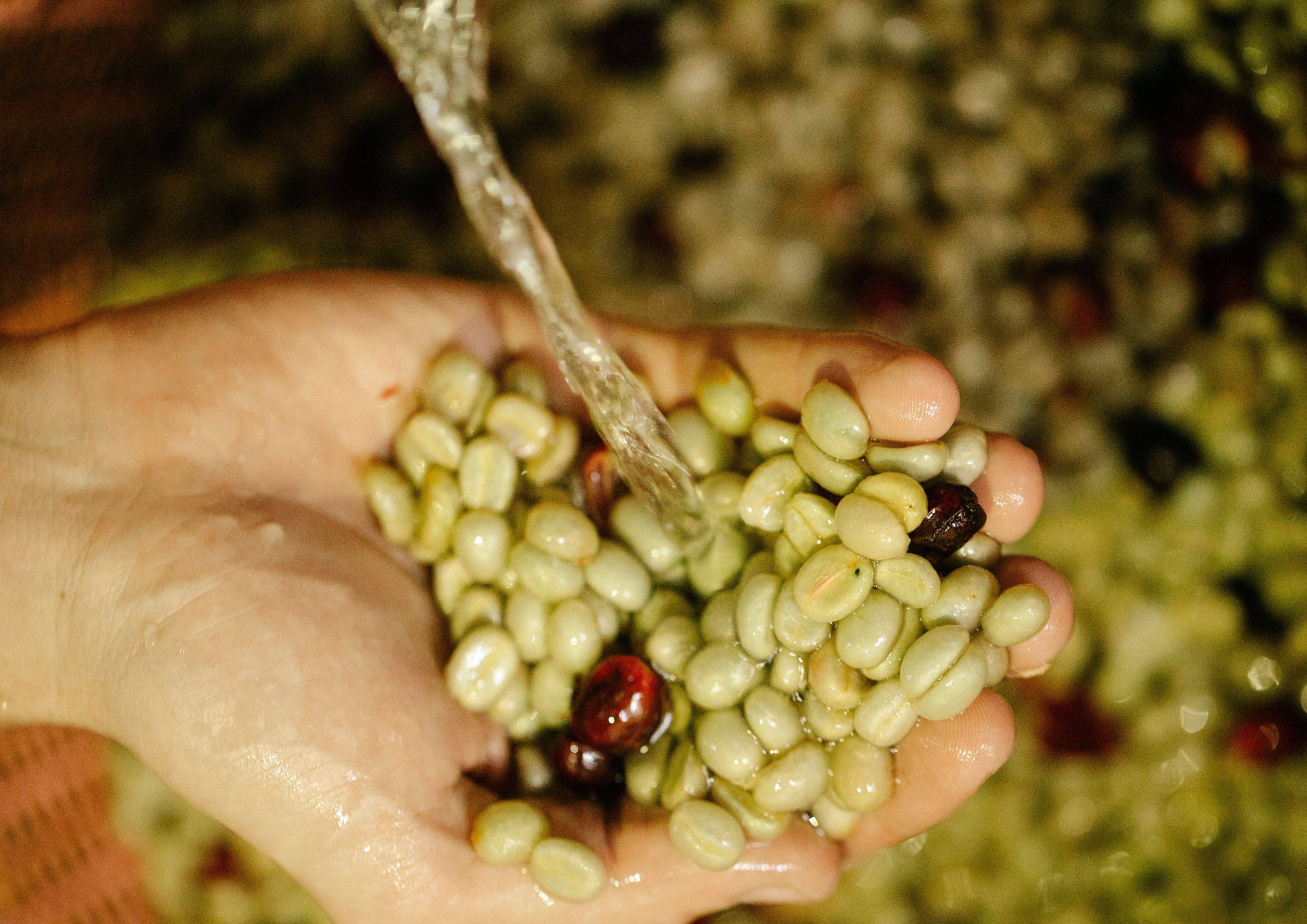
Cherry size is another important variable. When a pulping mechanism is set for a particular size range, very small fruit may pass through without being properly pulped. Oversized cherries, in contrast, may be subjected to more pressure than intended. A more uniform feed generally allows operators to set the equipment more consistently and detect abnormal operation more easily.
One easily overlooked fact is that a coffee cherry usually contains two seeds, which are not always identical in shape. The parchment layer around each seed acts as a protective barrier during subsequent processing. Pulping aims to remove the fruit flesh while limiting damage to that protective layer. For that reason, “clean pulping” does not mean applying as much pressure as possible.
How does a coffee pulper work?
In common wet-processing equipment, cherries pass through a working gap between a moving component and a guiding or resisting surface. Friction and pressure separate the skin and pulp, while the parchment-covered seeds are directed into a separate collection stream. Actual machine designs vary, so no single mechanical description applies to every pulper.
Operators pay particular attention to the working gap and the force applied. A gap that is too narrow can compress seeds excessively, increasing the risk of cuts, chips or torn parchment. A gap that is too wide may leave some cherries only partially pulped. Adjustments must therefore be based on the condition of the actual batch and the equipment manufacturer’s specifications, rather than copied mechanically from a previous run.
Another important consideration is keeping removed skins and pulp separate from the seed stream. If fruit residues return to the seeds, they can introduce contamination and increase the organic material that must be handled later. Collecting by-products separately helps limit cross-contamination and maintain hygiene in the processing area. Separating material streams is useful even in small-capacity facilities.
Reducing cracked and broken beans during pulping
One obvious warning sign is a higher-than-expected proportion of cherries leaving the machine with their skins still intact. This may be due to fruit sizes that do not suit the current settings, widely varying ripeness or an unstable feed. Simply increasing pressure to pulp these remaining cherries can damage seeds that the machine was already handling properly. The cause should be investigated before settings are changed.
More serious defects include chipped, cut or broken beans. If the parchment tears and exposes the seed, the bean may be more vulnerable during later processing. Damaged areas can also cause moisture and processing-related changes to develop unevenly. Not every surface scratch leads to poor roasting quality, but an unusually high rate of damage is a signal that requires investigation.
Assessment should be based on samples taken immediately after the pulper, rather than only the total finished weight at the end of the day. When something unusual is found, comparing the samples with the incoming cherries helps determine whether the cause lies in the equipment, sorting or a combination of factors. Sample checks are most useful when performed consistently across batches.
Careful pulping helps protect coffee beans
Cleaning, sorting and pulping rarely appear on coffee packaging, yet they influence the condition of the beans through many later stages. When cherries are carefully selected and pulped, they are better prepared for the subsequent processing steps before entering LOPHA’s factory production process.