Featured News
The most outstanding from Lopha Coffee
Everyday Coffee
21/11/2026
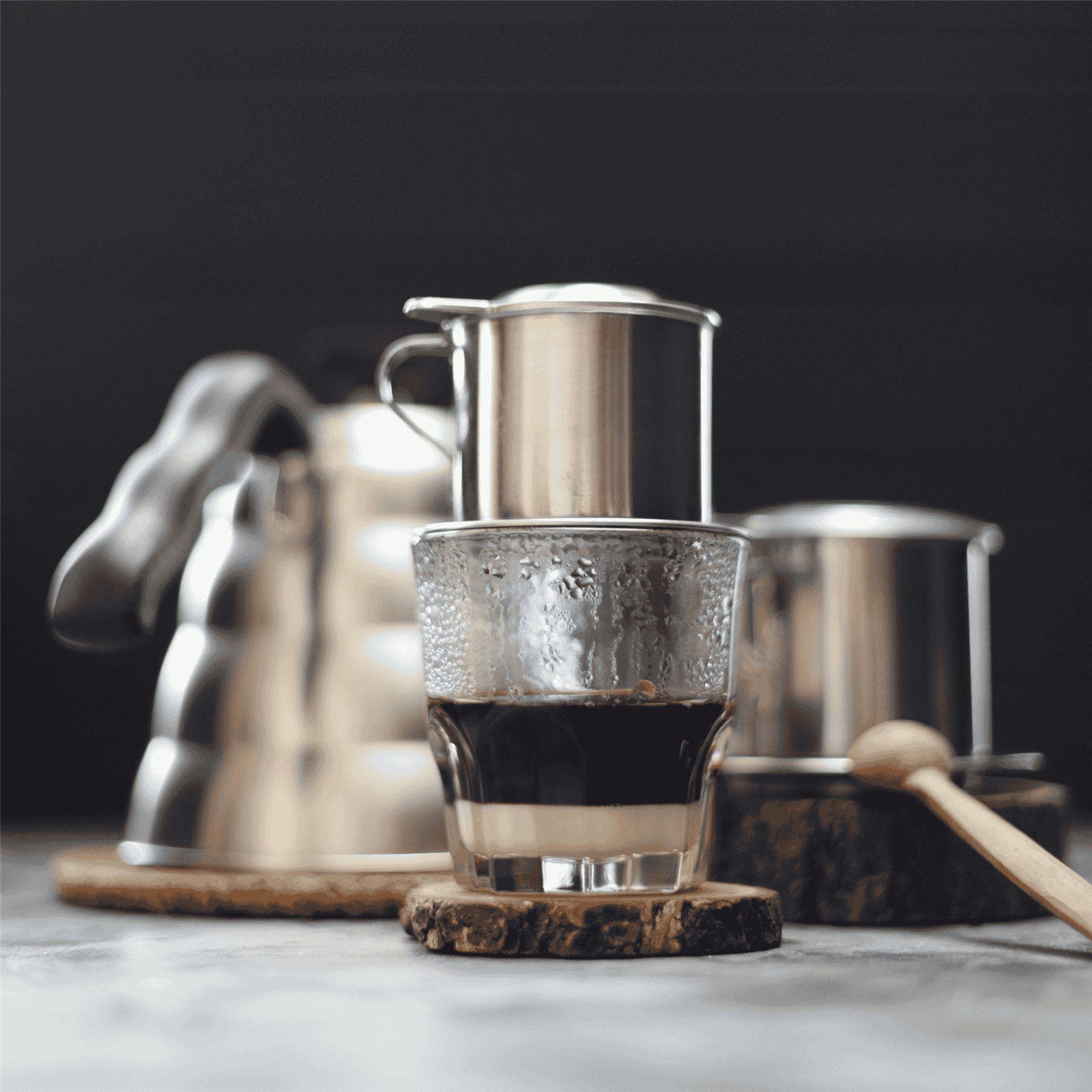
Why Does Brewed Coffee Taste Watery? What to Check before Changing Beans
Watery coffee often comes from using too little coffee for the water, an unsuitable grind, water flowing through the grounds too quickly, or milk and melting ice diluting the drink. Check your recipe and brewing method before assuming the beans are poor quality.
Everyday Coffee
21/11/2026
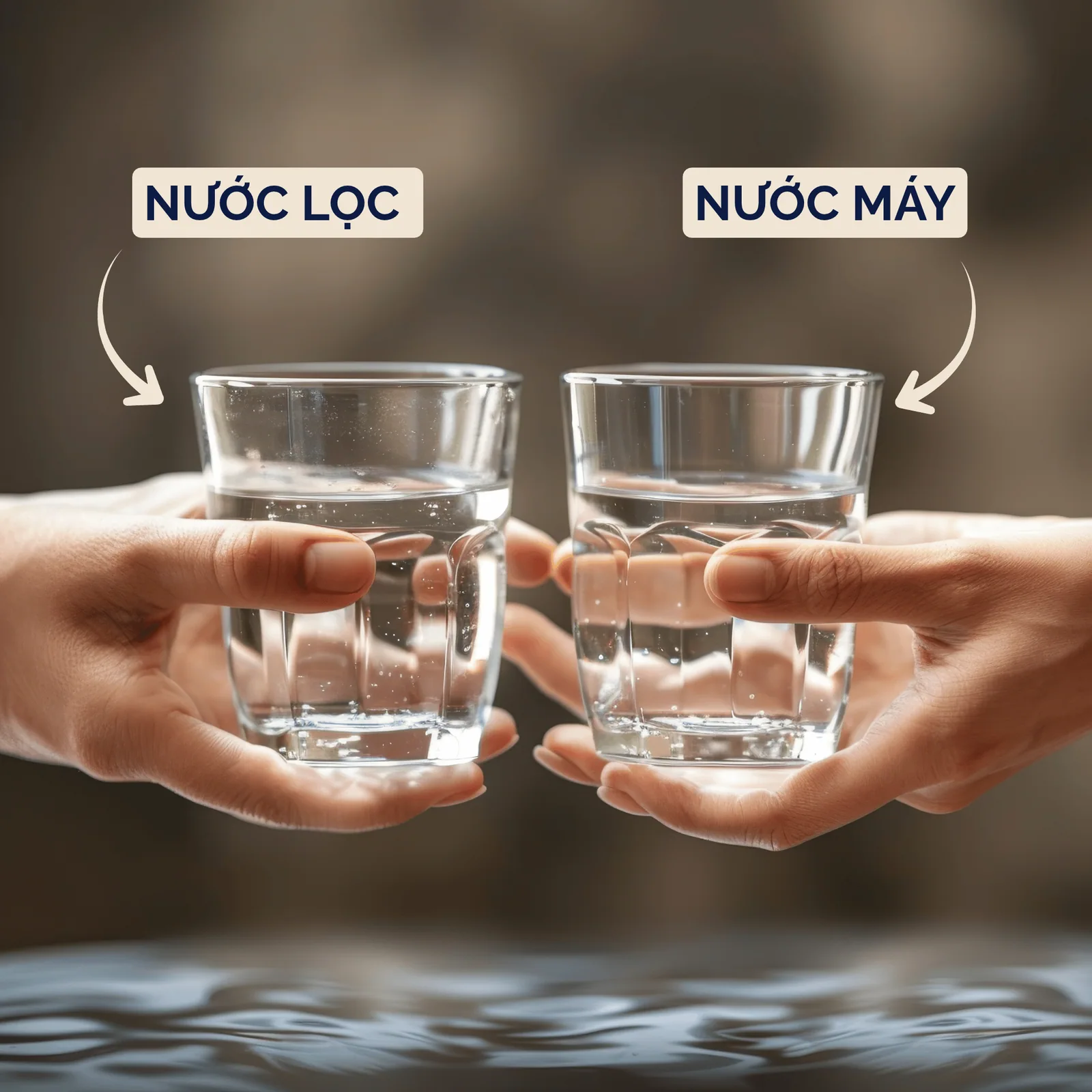
Filtered or Tap Water for Coffee? When Water Changes the Taste of Your Cup
Water for coffee should be safe to drink, free from unusual odors and contain a suitable mineral balance. Filtered water is often an easy starting choice, but purer water with fewer minerals does not automatically make better coffee.
Everyday Coffee
21/11/2026
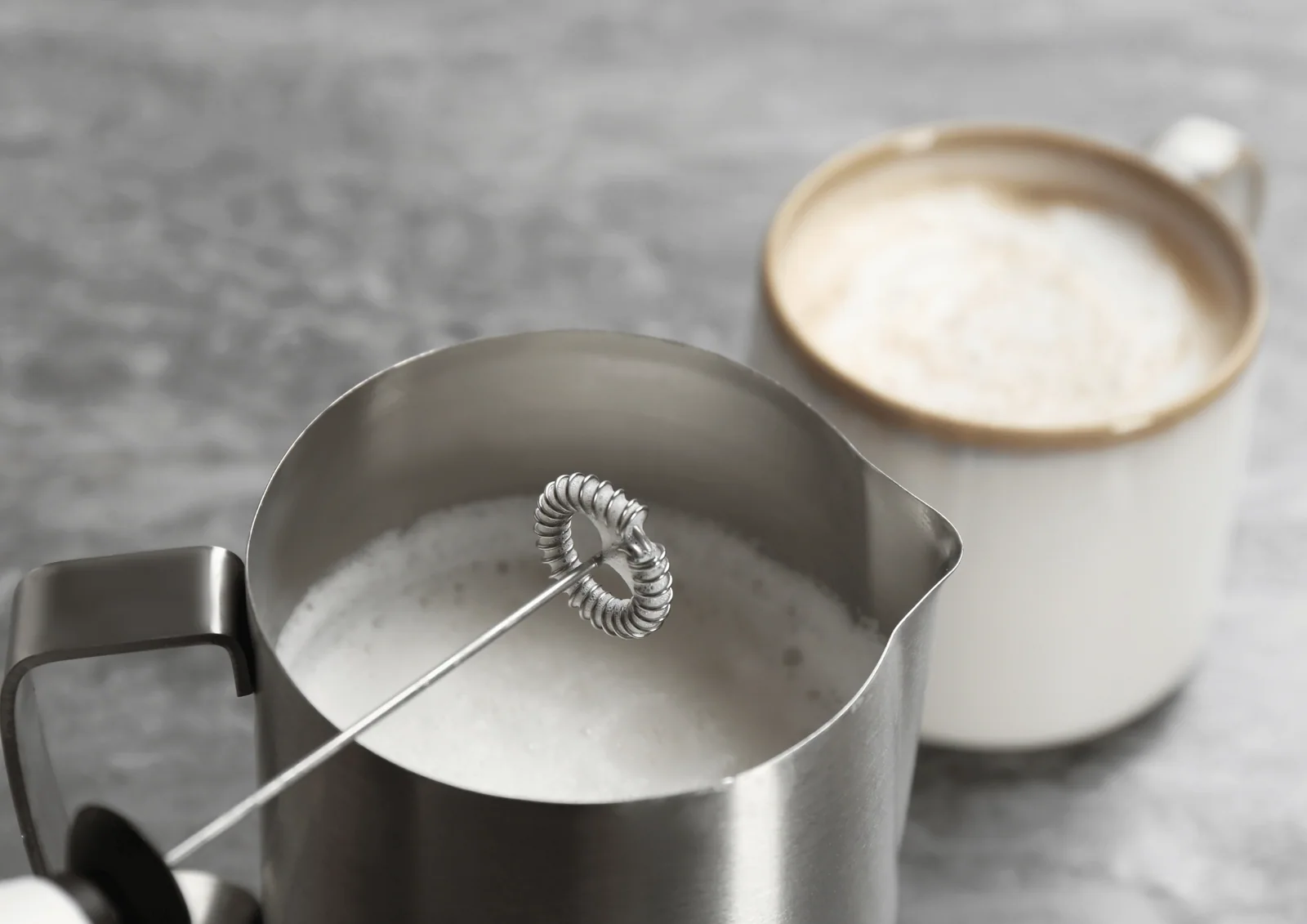
How to Froth Milk at Home without an Espresso Machine: Getting Fine, Smooth Foam
You can froth milk at home with a handheld frother or French Press without an espresso machine. For smoother foam, pay attention to the type and temperature of milk, how much air you introduce, and how you break up large bubbles after frothing.
Everyday Coffee
21/11/2026
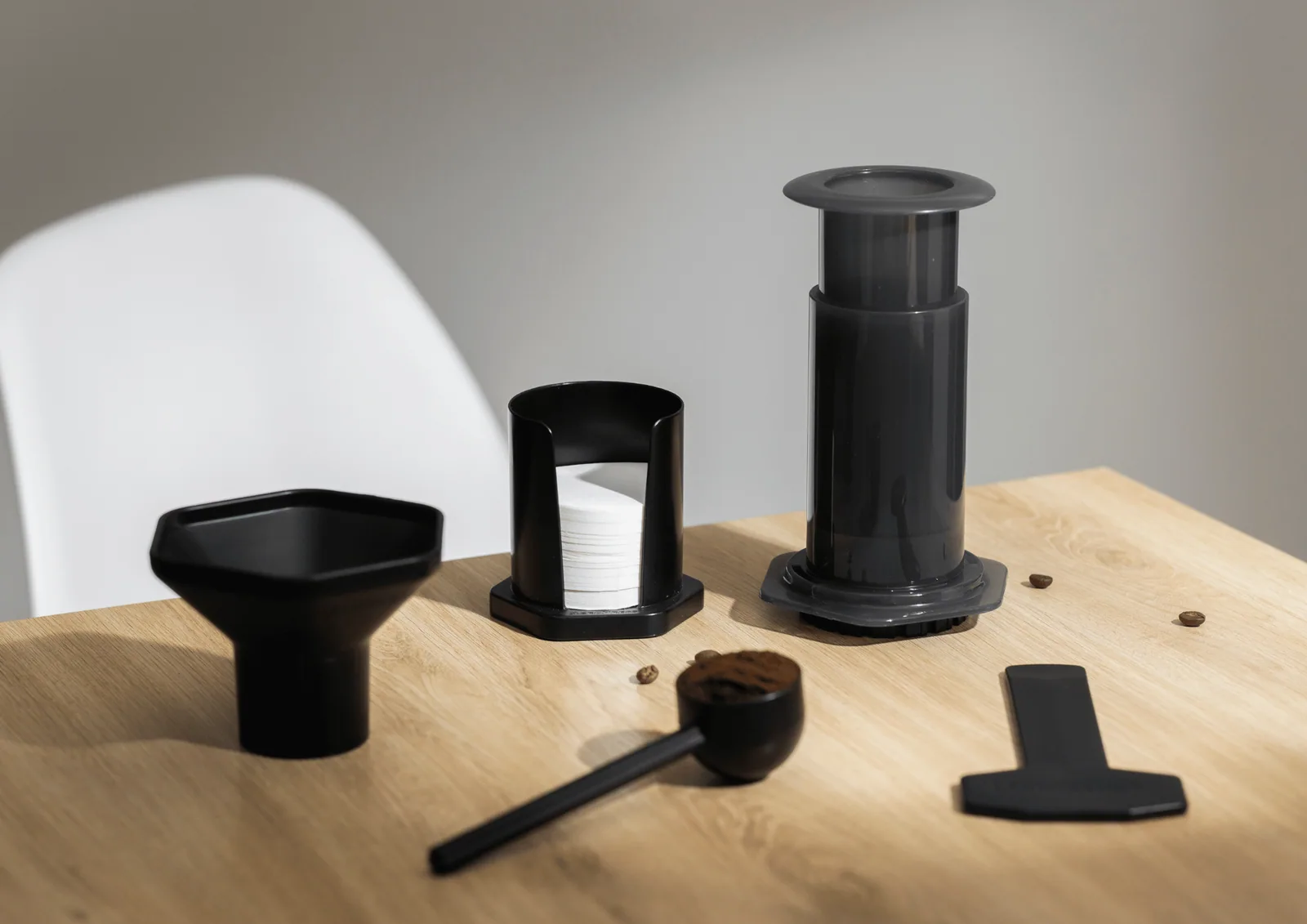
How to Use an AeroPress at Home: An Easy Coffee Recipe for Beginners
An AeroPress uses a brewing chamber, filter paper and plunger to steep coffee before pressing it through a filter. For a starting recipe from the manufacturer, try around 16–18 g of medium-ground coffee, water at roughly 85°C, a one-minute steep and a gentle press.
Everyday Coffee
21/11/2026
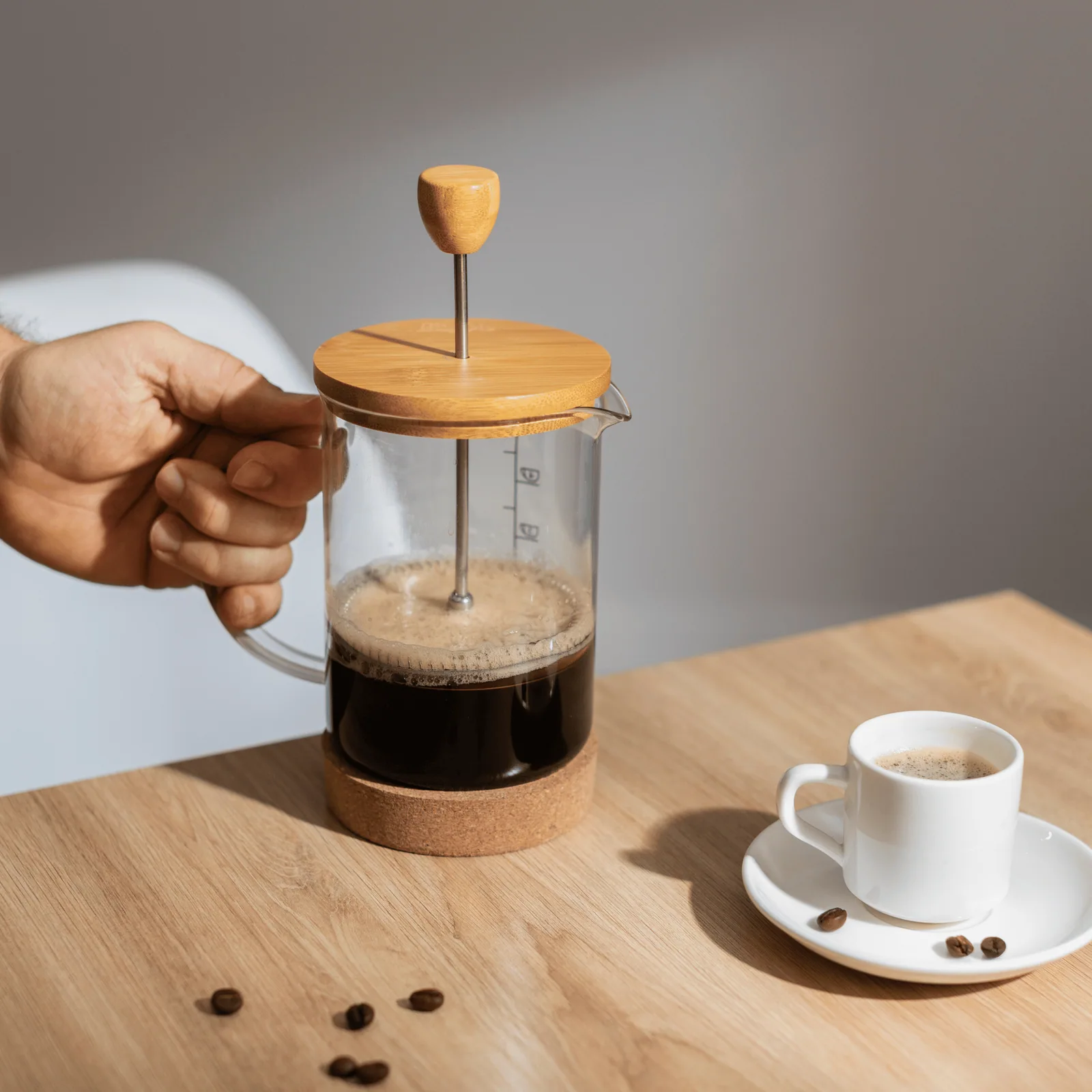
How to Make French Press Coffee at Home: Ratio, Steep Time and Tips for Less Sediment
A French Press brews coffee by steeping grounds in hot water and using a mesh plunger to separate them. Start with about 18 g of coffee and 300 g of water, steep for around 4 minutes, then press gently and adjust for flavor and the amount of sediment you prefer.
Everyday Coffee
21/11/2026
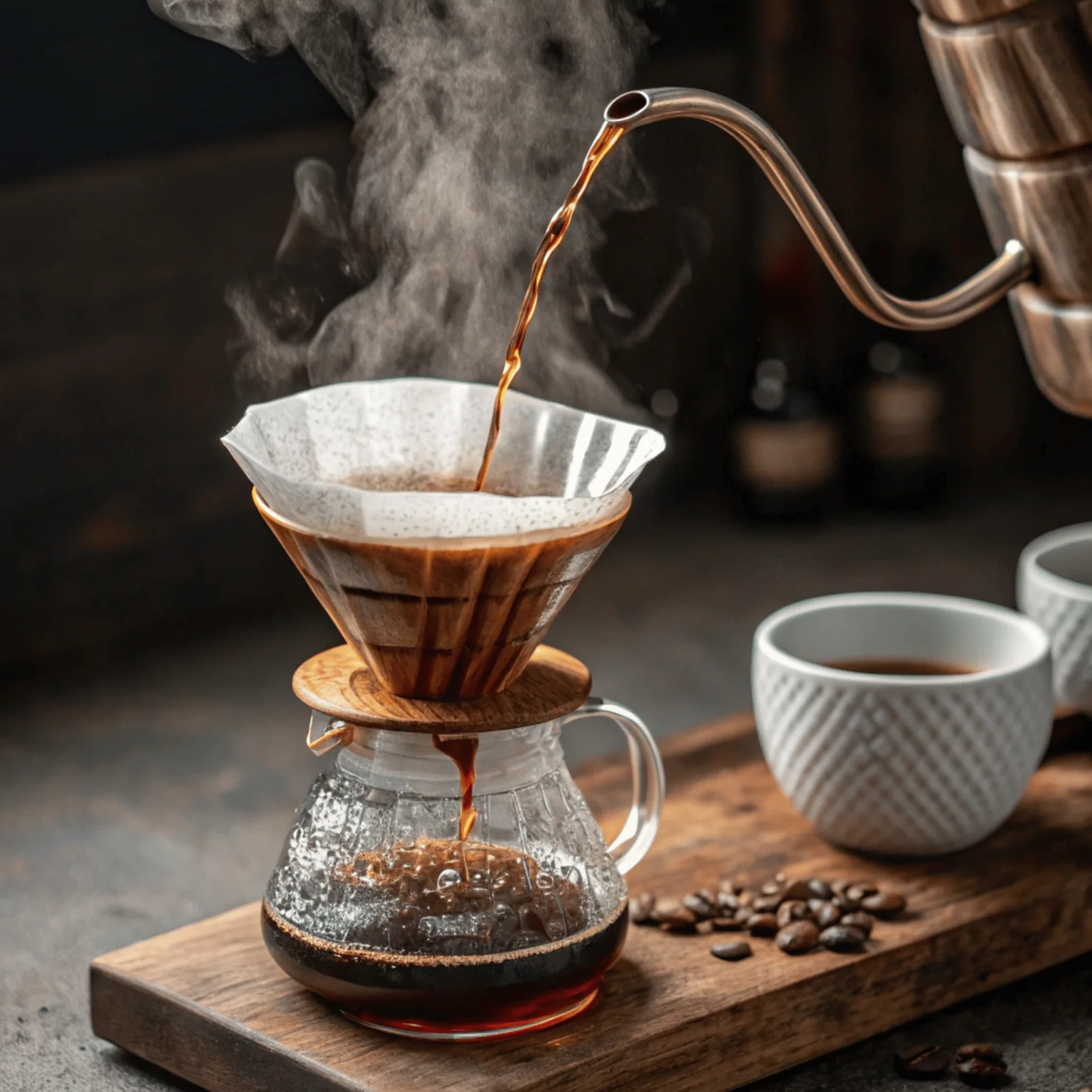
How to Brew V60 Pour-Over Coffee at Home: A Recipe with 15 g Coffee and 250 g Water
An easy V60 starting recipe uses 15 g of medium-fine coffee with 250 g of water at around 92–96°C. Rinse the filter paper, wet the grounds, wait about 30 seconds, then pour in small circles to encourage more even extraction.
Latest
from Lopha Coffee
07/11/2026
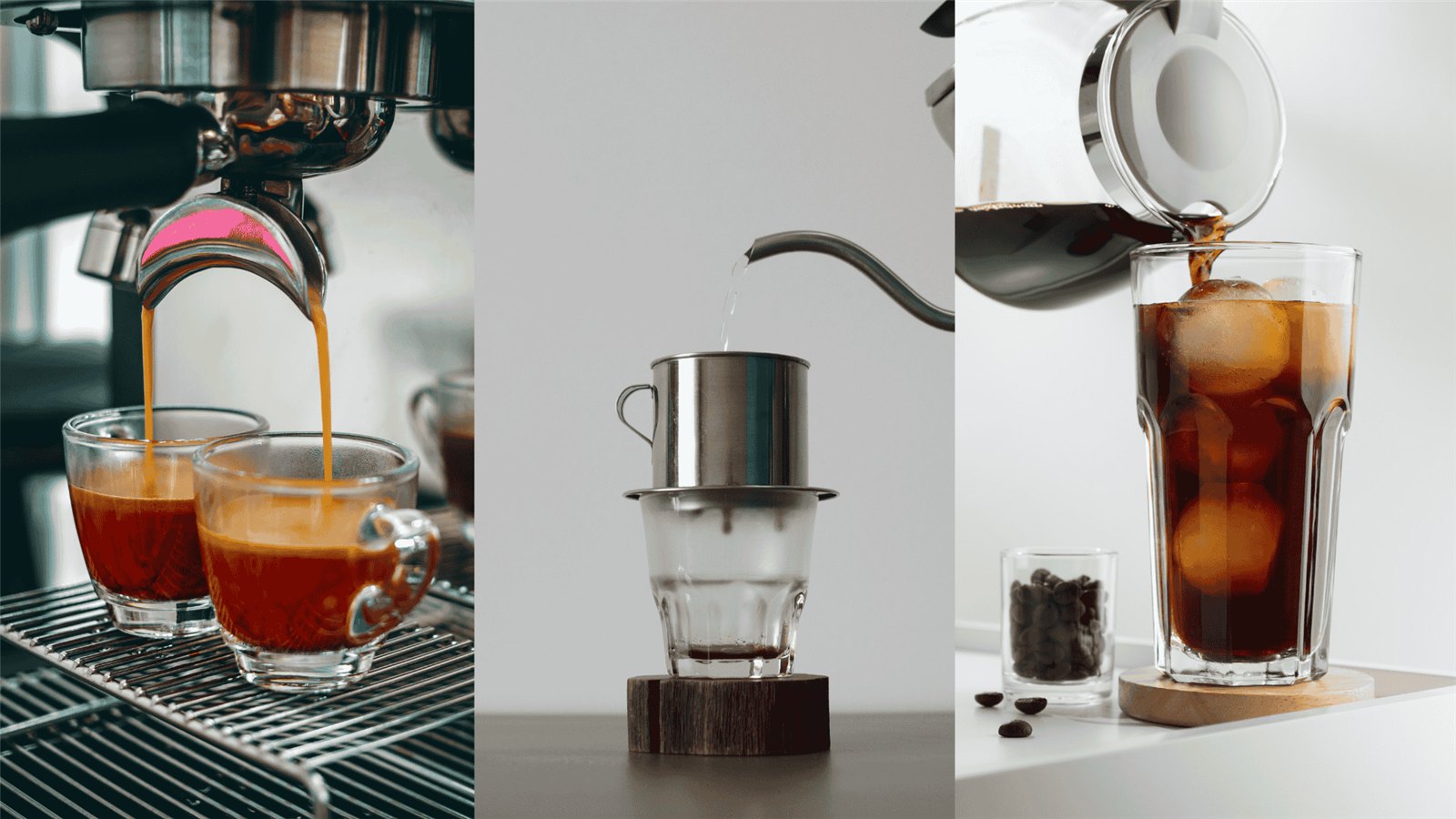
Why Does the Same Coffee Taste Different with Different Brewing Methods?
The same bag of coffee can taste very different when brewed with a phin, espresso machine or drip brewer. Discover how grind size, water, time and extraction shape each cup.
07/11/2026
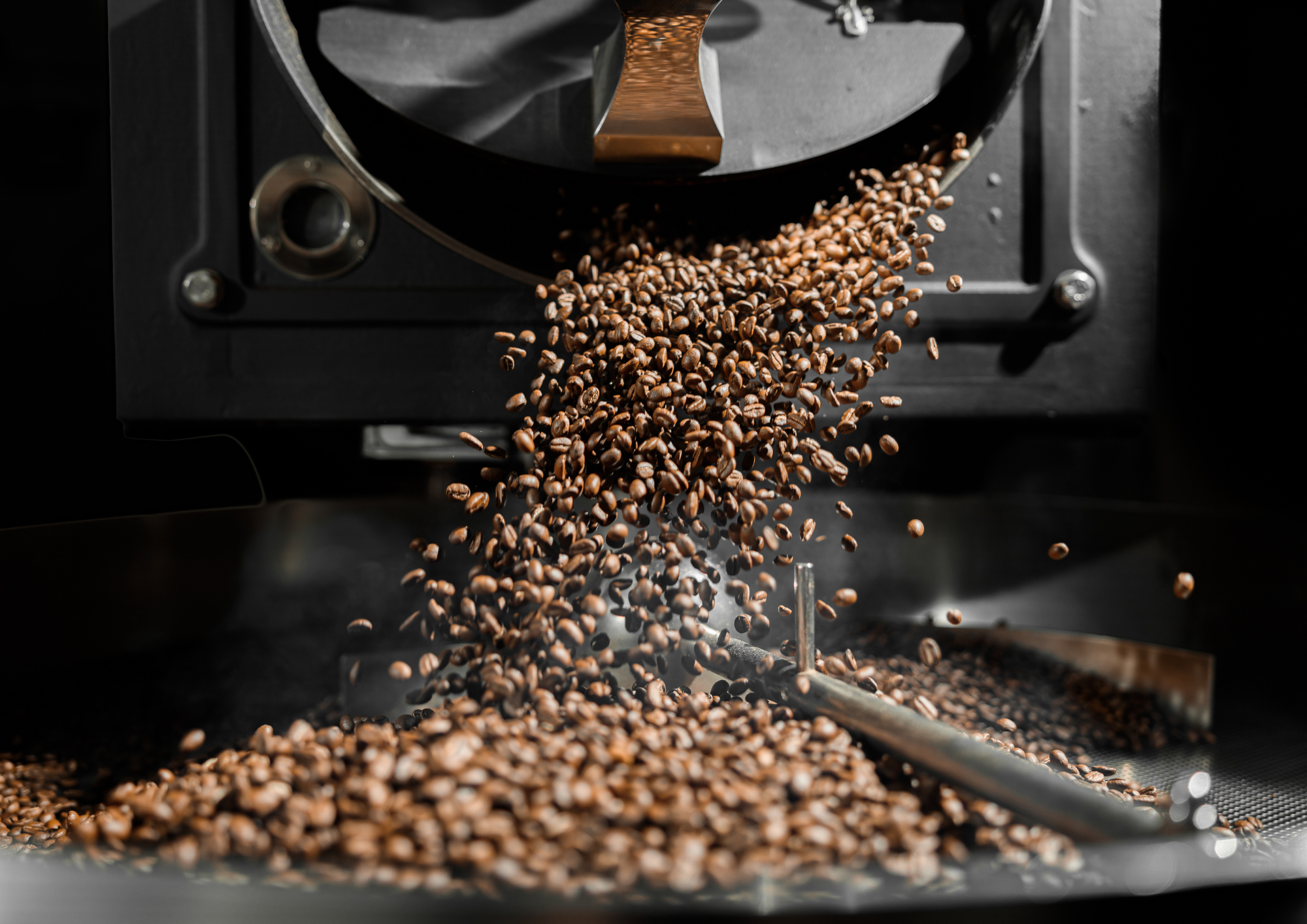
How Does Roasting Affect Coffee Flavor?
Roasting transforms green coffee into new aromas and flavor characteristics. Explore how heat changes acidity, bitterness and the overall style of each cup.
07/11/2026
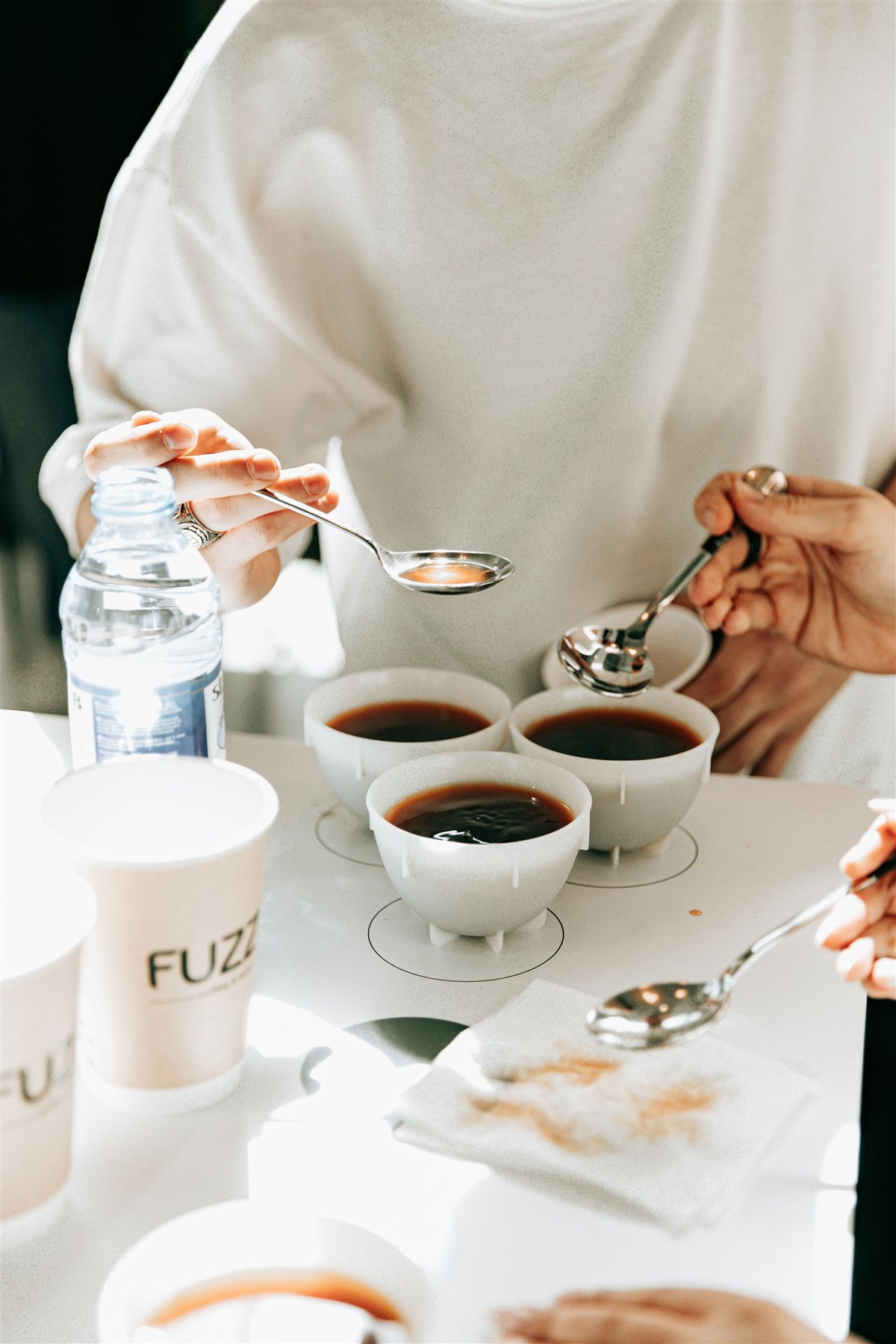
What Is Coffee Aftertaste? Why Does Flavor Linger After a Sip?
Aftertaste is what remains after you swallow coffee. Discover why a finish can be long, short, bold or light—and how to recognize the ending of each cup.
07/11/2026
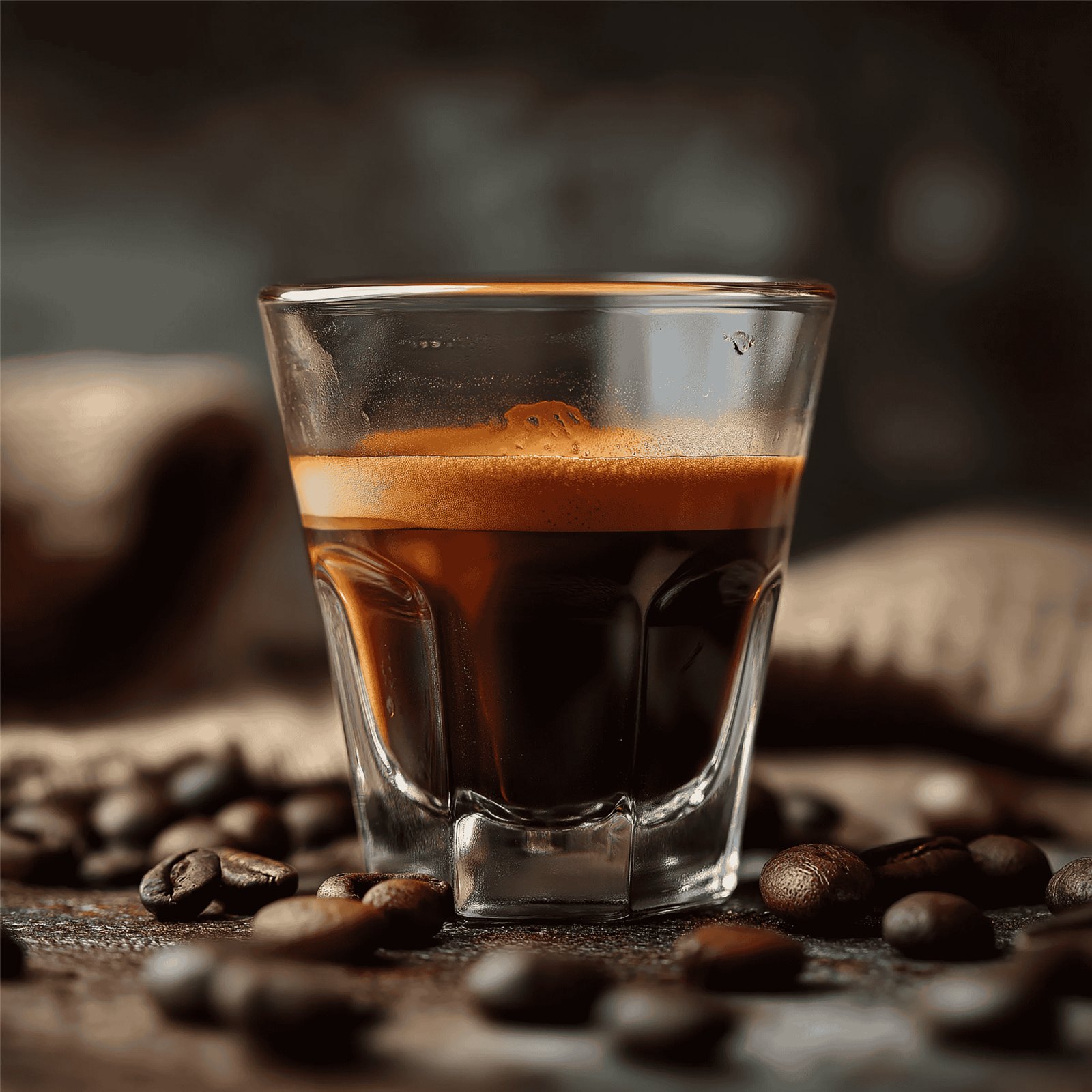
What Is Coffee Body? Why Do Some Cups Feel Full and Others Light?
Body is not the same as bitterness or strength. Discover what creates a full mouthfeel and how bean composition and brewing methods influence that sensation.
07/11/2026
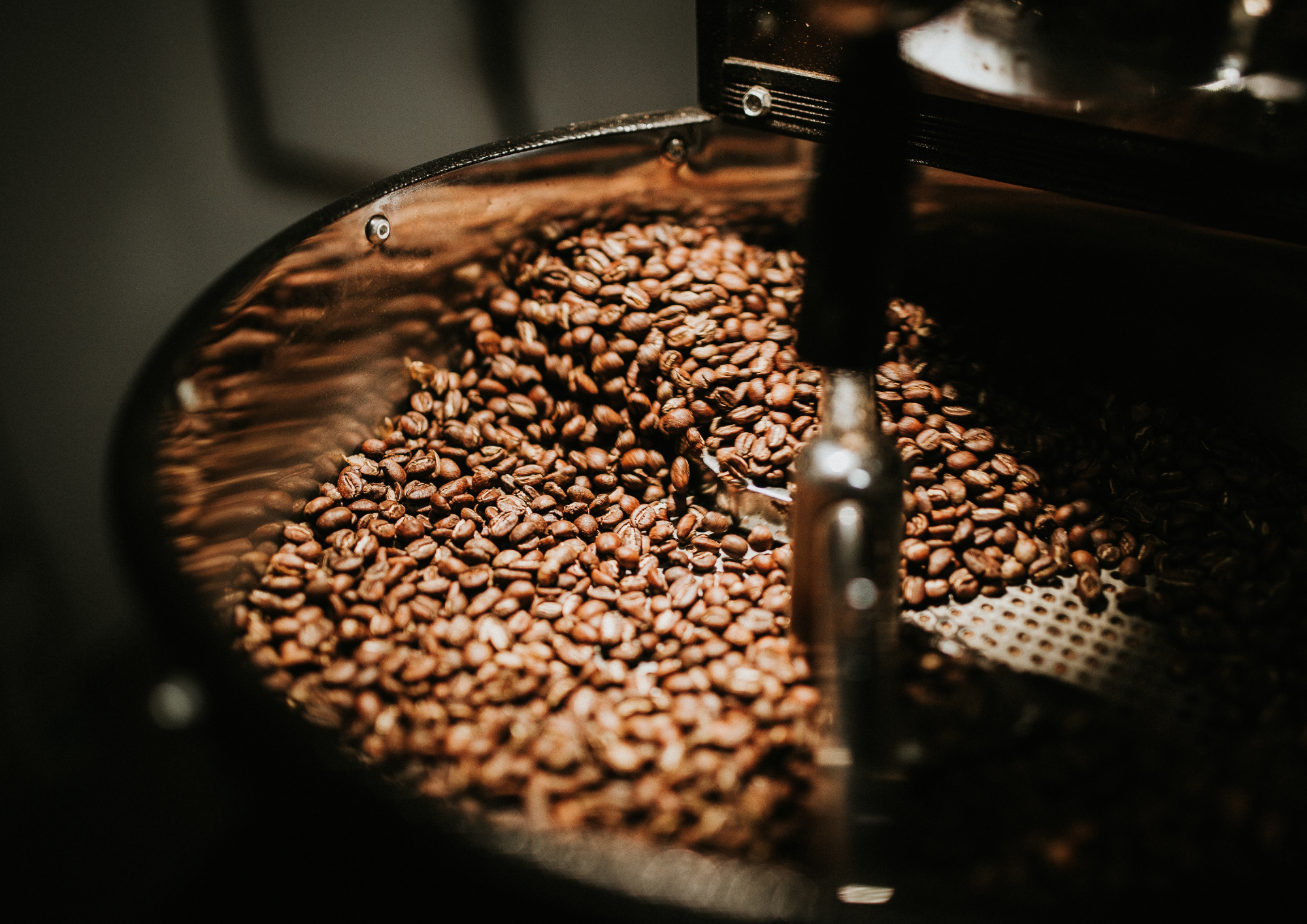
Where Does Coffee Aroma Come From? From Green Beans to a Freshly Brewed Cup
Coffee aroma develops through changes in the bean during roasting, then reveals itself through grinding and brewing. Discover why every cup has a distinctive scent.
07/11/2026
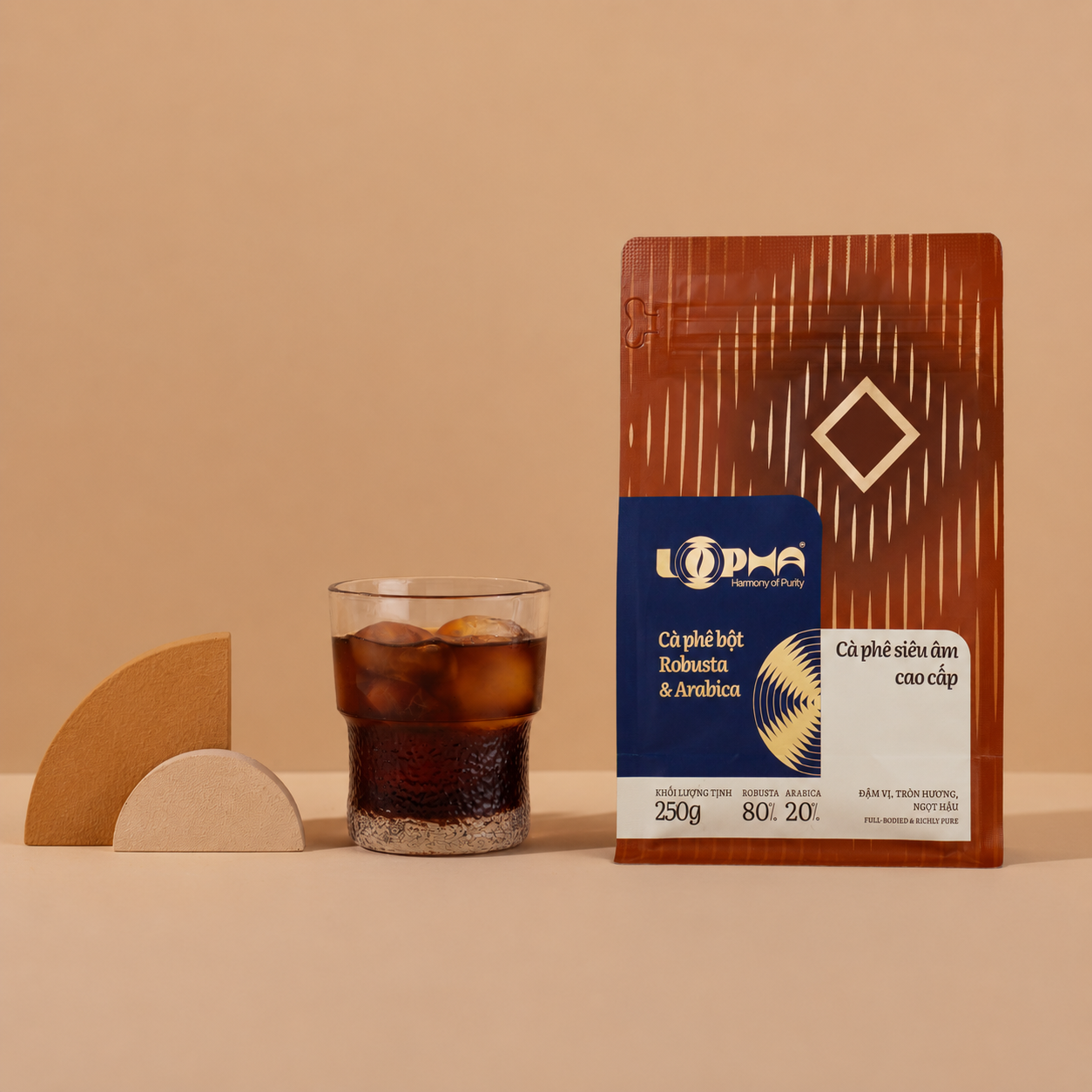
Why Can Acidity and Bitterness Work Together in Coffee?
Coffee can be both acidic and bitter yet still taste harmonious. Discover how these sensations interact and how LOPHA’s 80/20 Blend and brewing choices shape the experience.