

Featured News
The most outstanding from Lopha Coffee
Everyday Coffee
21/11/2026
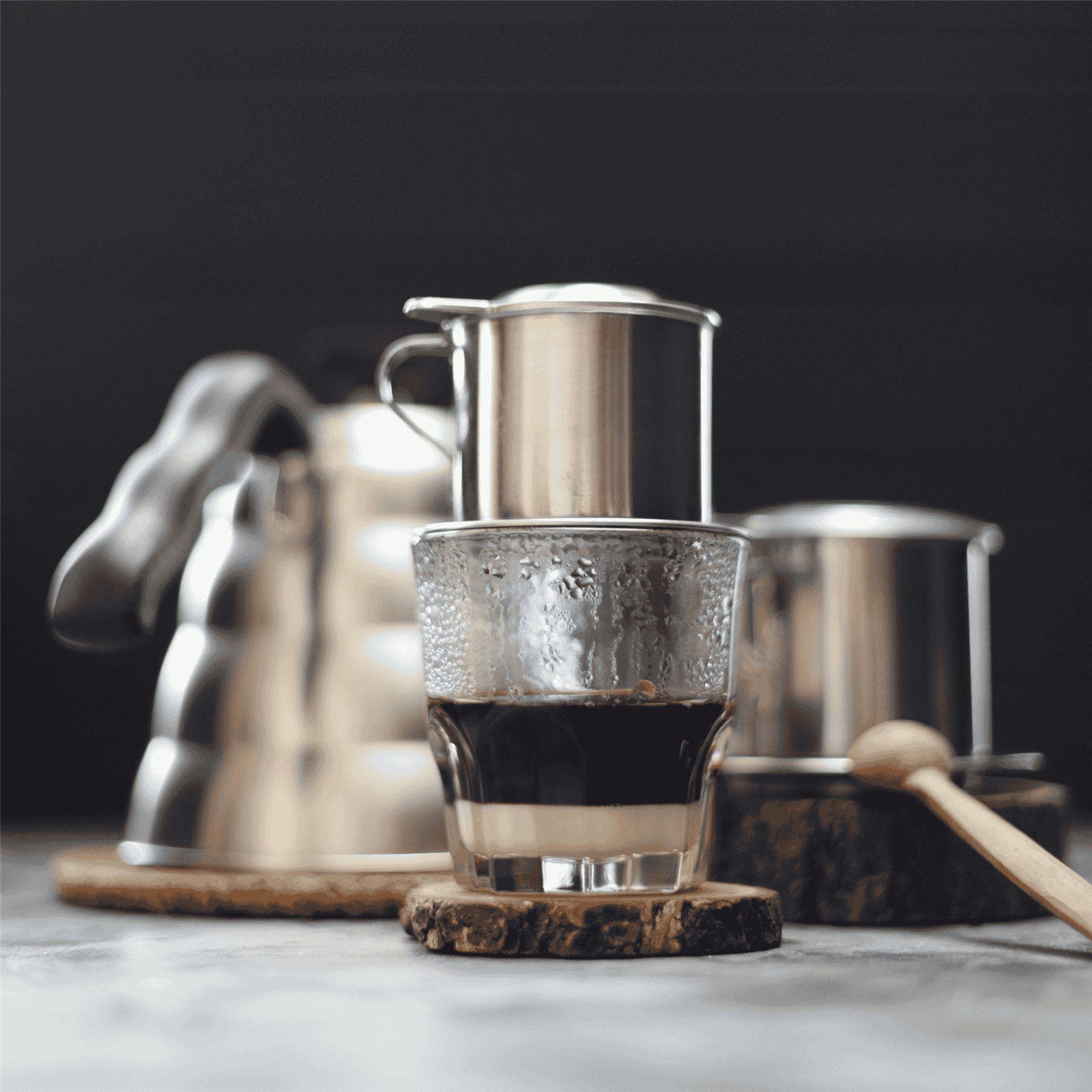
Why Does Brewed Coffee Taste Watery? What to Check before Changing Beans
Watery coffee often comes from using too little coffee for the water, an unsuitable grind, water flowing through the grounds too quickly, or milk and melting ice diluting the drink. Check your recipe and brewing method before assuming the beans are poor quality.
Everyday Coffee
21/11/2026
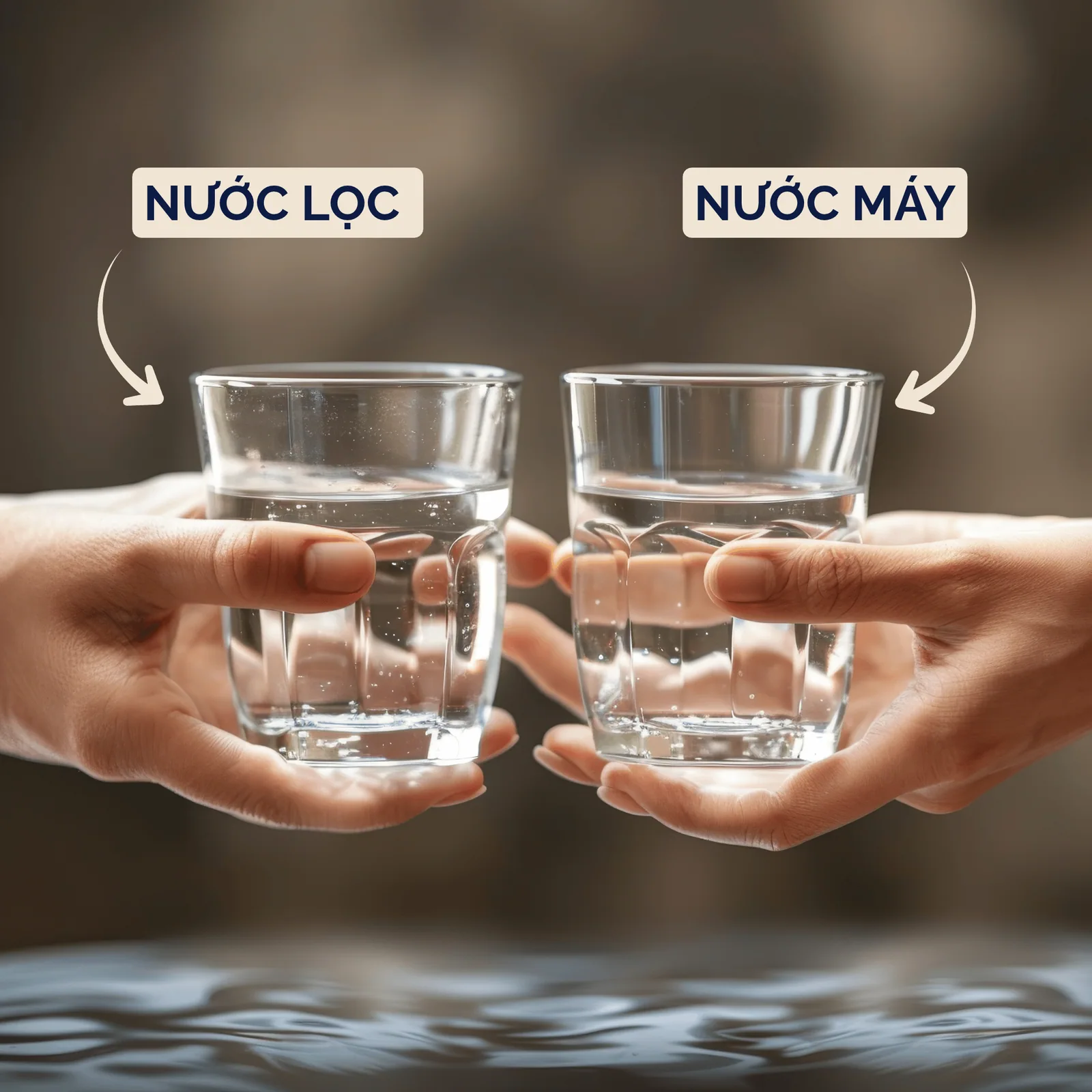
Filtered or Tap Water for Coffee? When Water Changes the Taste of Your Cup
Water for coffee should be safe to drink, free from unusual odors and contain a suitable mineral balance. Filtered water is often an easy starting choice, but purer water with fewer minerals does not automatically make better coffee.
Everyday Coffee
21/11/2026
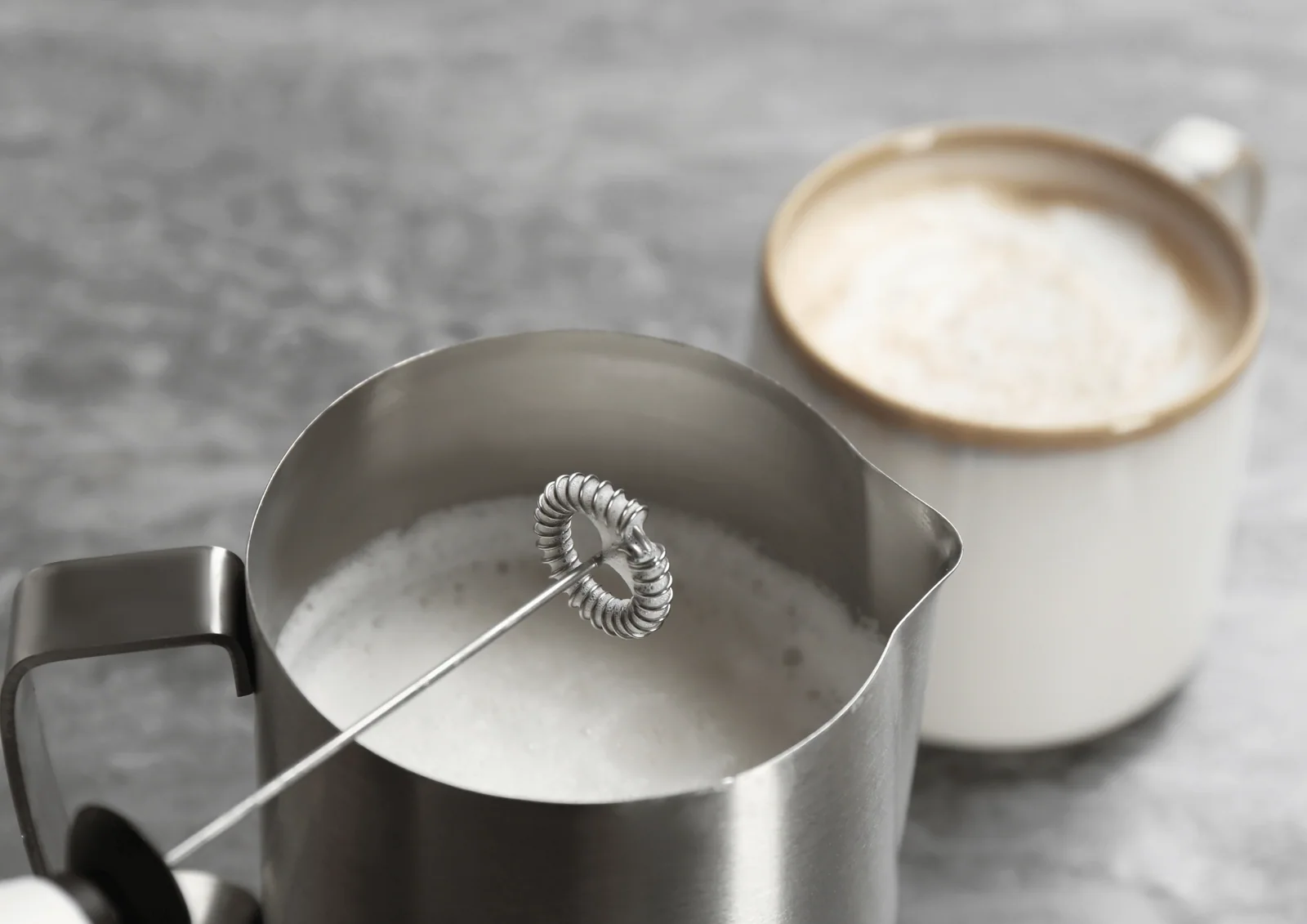
How to Froth Milk at Home without an Espresso Machine: Getting Fine, Smooth Foam
You can froth milk at home with a handheld frother or French Press without an espresso machine. For smoother foam, pay attention to the type and temperature of milk, how much air you introduce, and how you break up large bubbles after frothing.
Everyday Coffee
21/11/2026
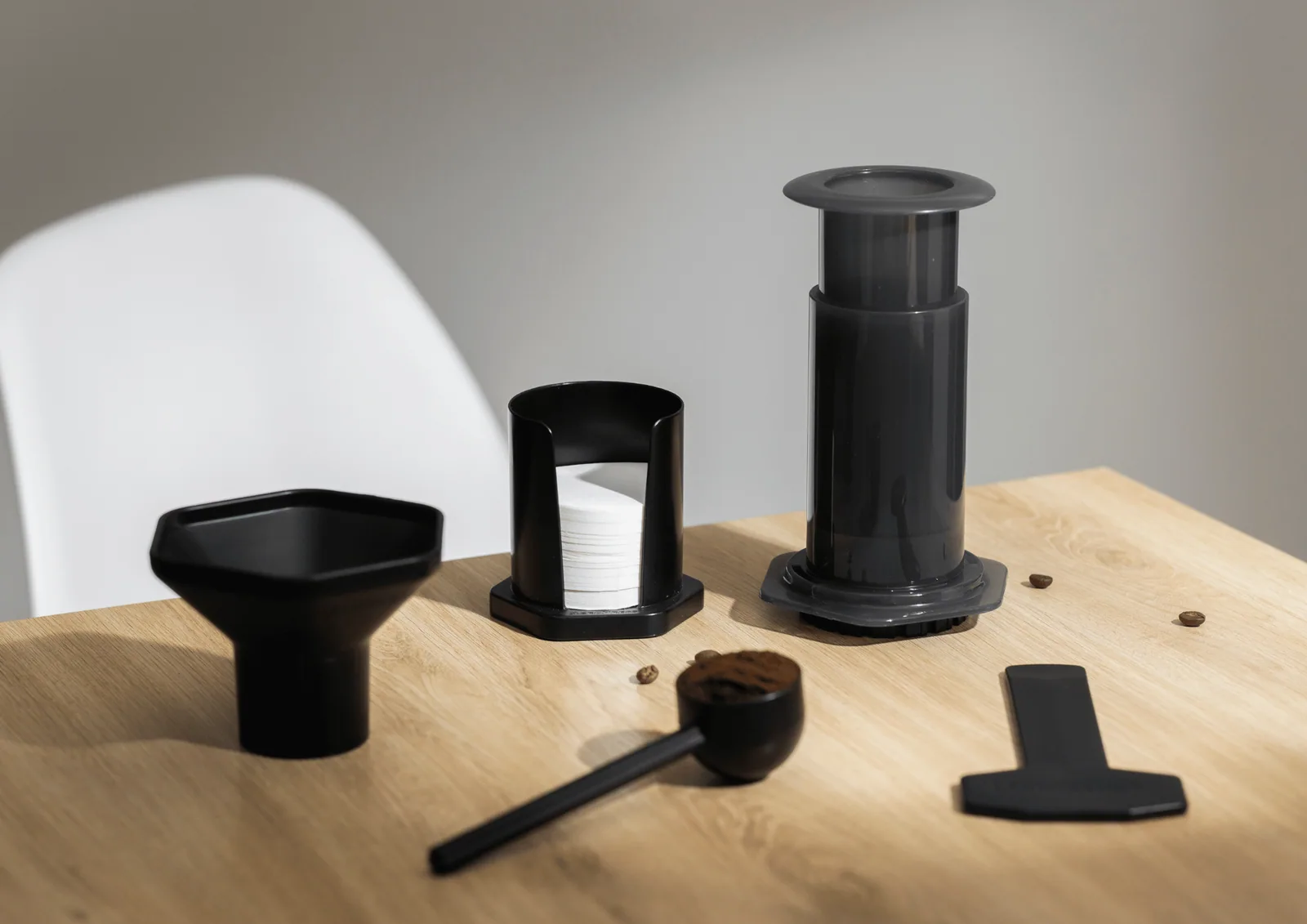
How to Use an AeroPress at Home: An Easy Coffee Recipe for Beginners
An AeroPress uses a brewing chamber, filter paper and plunger to steep coffee before pressing it through a filter. For a starting recipe from the manufacturer, try around 16–18 g of medium-ground coffee, water at roughly 85°C, a one-minute steep and a gentle press.
Everyday Coffee
21/11/2026
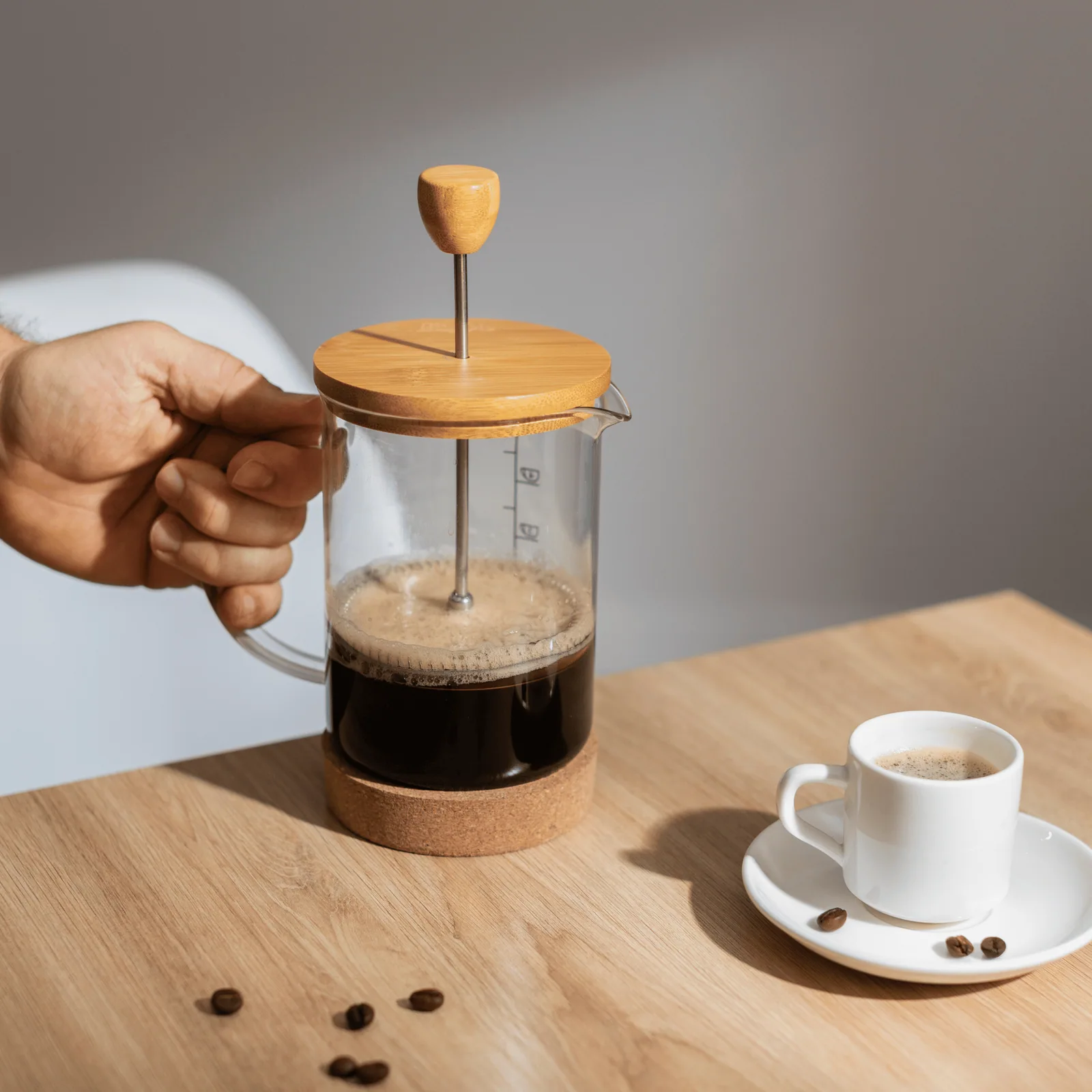
How to Make French Press Coffee at Home: Ratio, Steep Time and Tips for Less Sediment
A French Press brews coffee by steeping grounds in hot water and using a mesh plunger to separate them. Start with about 18 g of coffee and 300 g of water, steep for around 4 minutes, then press gently and adjust for flavor and the amount of sediment you prefer.
Everyday Coffee
21/11/2026
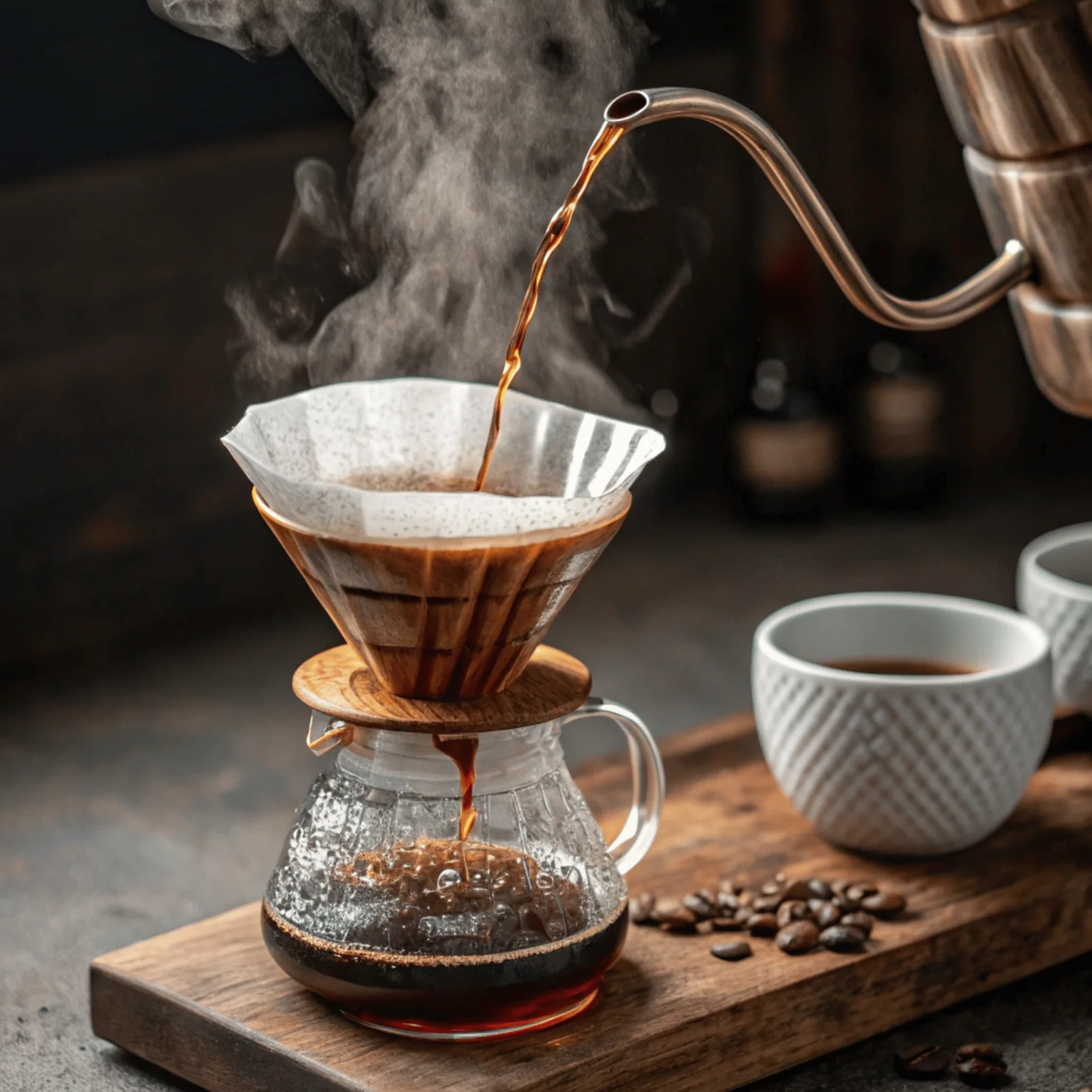
How to Brew V60 Pour-Over Coffee at Home: A Recipe with 15 g Coffee and 250 g Water
An easy V60 starting recipe uses 15 g of medium-fine coffee with 250 g of water at around 92–96°C. Rinse the filter paper, wet the grounds, wait about 30 seconds, then pour in small circles to encourage more even extraction.
Latest
from Lopha Coffee
23/10/2026
Pure Coffee: From Scientific Evidence to Consumer Trust
Pure coffee does not have to taste intensely bitter or brew into an exceptionally dark cup. Each coffee variety has its own natural characteristics, from Arabica's pronounced acidity to Robusta's full body and distinct bitterness. Understanding ingredients, aroma and processing helps drinkers make better-informed choices. For LOPHA Coffee, the journey to rediscover authentic coffee flavour that began in 2016 goes hand in hand with a commitment to 100% pure coffee, clear product information and respect for the character of each bean.

23/10/2026
Vietnamese Coffee Exports: From Raw Green Beans to Branded Products
Exporting green coffee and developing roasted coffee products under a Vietnamese brand are two different business paths. The first focuses on raw materials, lot quality and reliable delivery. The second also requires consistent flavour, thoughtful packaging, distribution and consumer trust. Building on Long Phan's foundations established in 2007, LOPHA continues to add value to Vietnamese coffee through research into raw materials, production development and products with a distinct identity.
23/10/2026
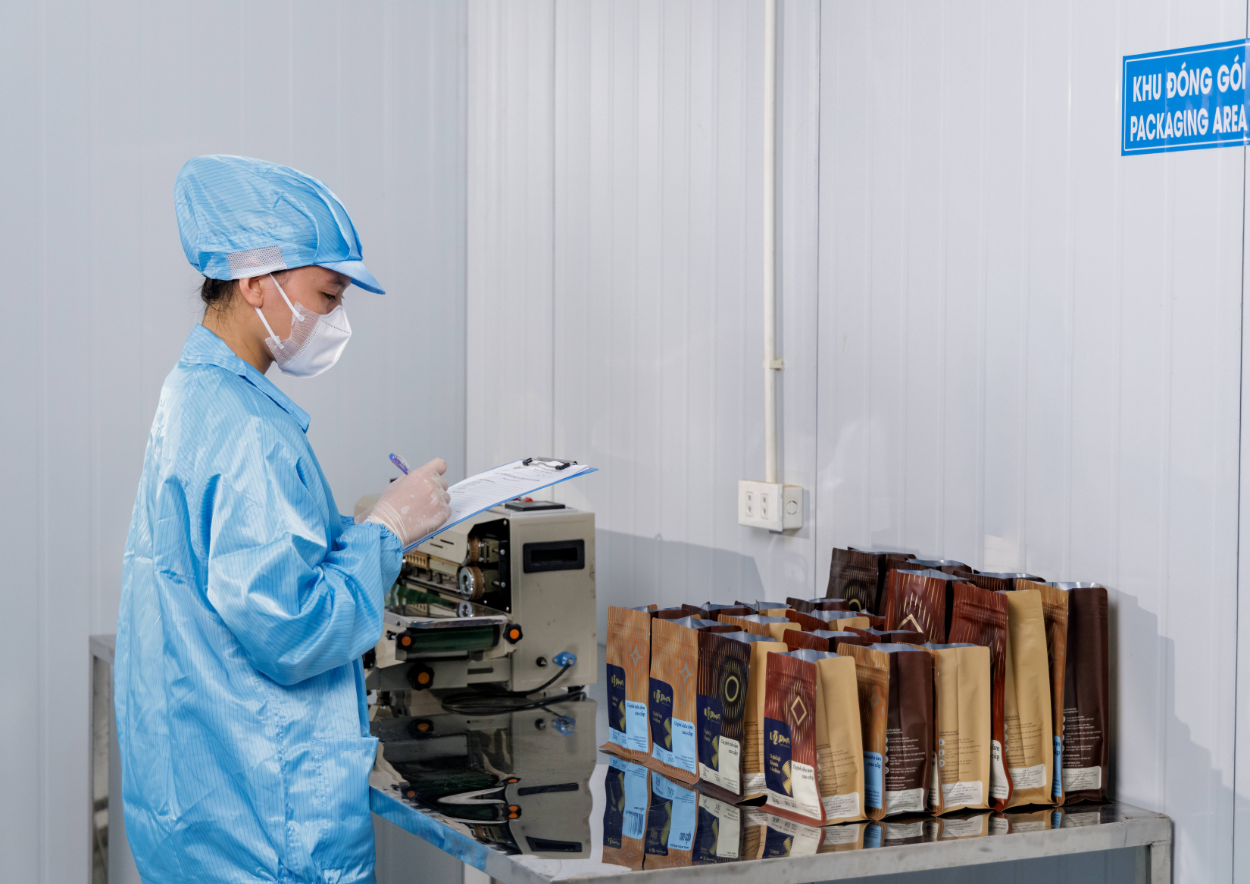
ISO, HACCP and Coffee Quality: What Do They Really Mean?
When buying coffee, aroma and intensity are often the first things we notice. But if we drink it regularly, how it is made matters too. Terms such as ISO, HACCP and laboratory testing can sound technical, yet they concern familiar questions: how raw materials are chosen, how production is managed and how quality is checked.
23/10/2026
What Does the One-Way Valve on a Coffee Bag Do?
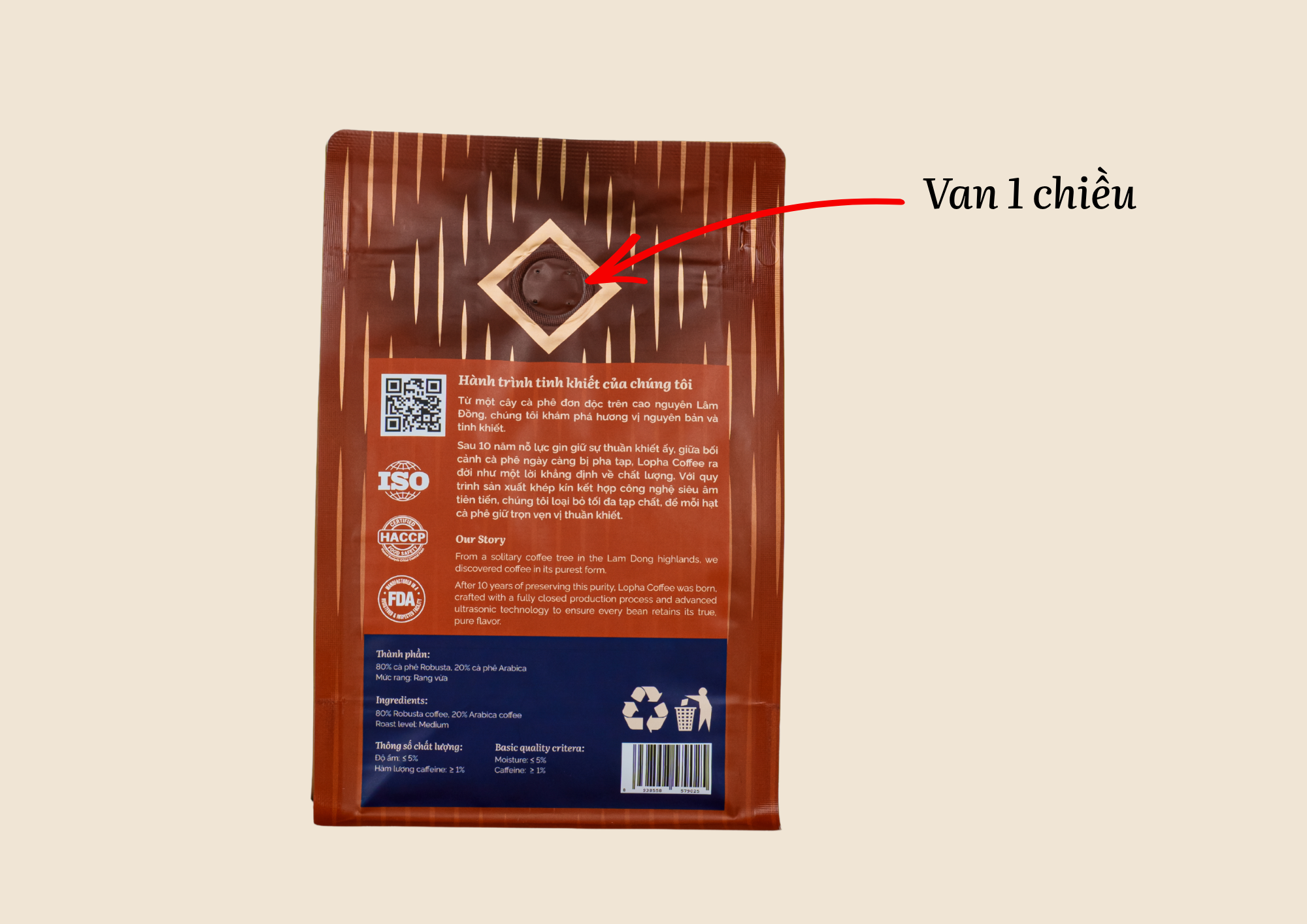
Some bags of roasted coffee have a small circular valve. It is designed to let built-up gas escape while limiting airflow back into the bag, according to its operating mechanism. However, the valve cannot replace high-barrier packaging materials, properly sealed seams or correct storage. Understanding its function and limits provides a more realistic view of coffee packaging.
23/10/2026
Unusual Signs to Watch for in Coffee Beans After Roasting
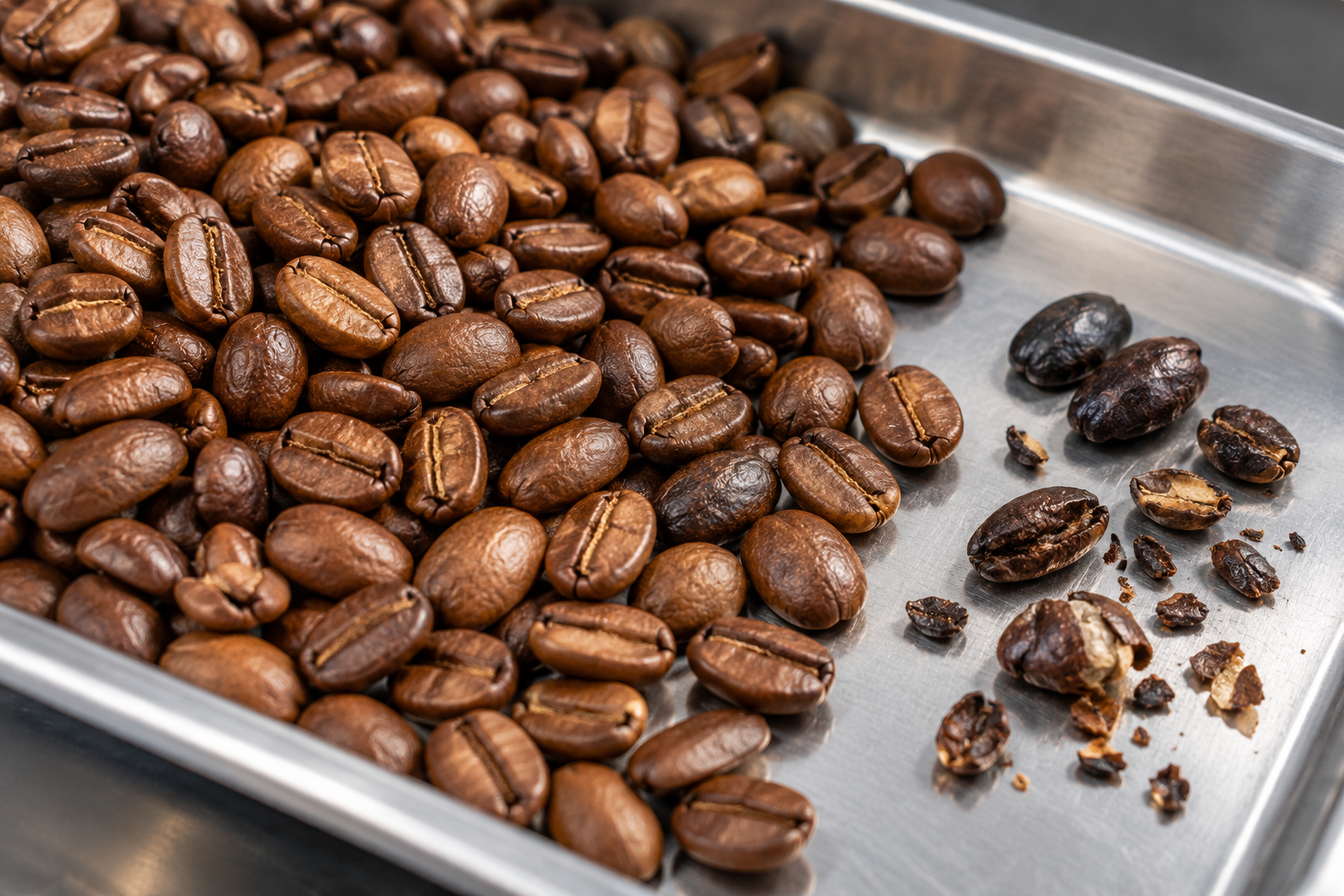
After roasting, not every coffee bean has exactly the same colour or shape. Some variation is natural, but obvious scorching, breakage or unusual discolouration may warrant further inspection. Knowing the difference helps explain the role of post-roast sorting before coffee is packed.
23/10/2026
How Does Post-Roast CO₂ Affect Espresso and Vietnamese Phin Coffee?
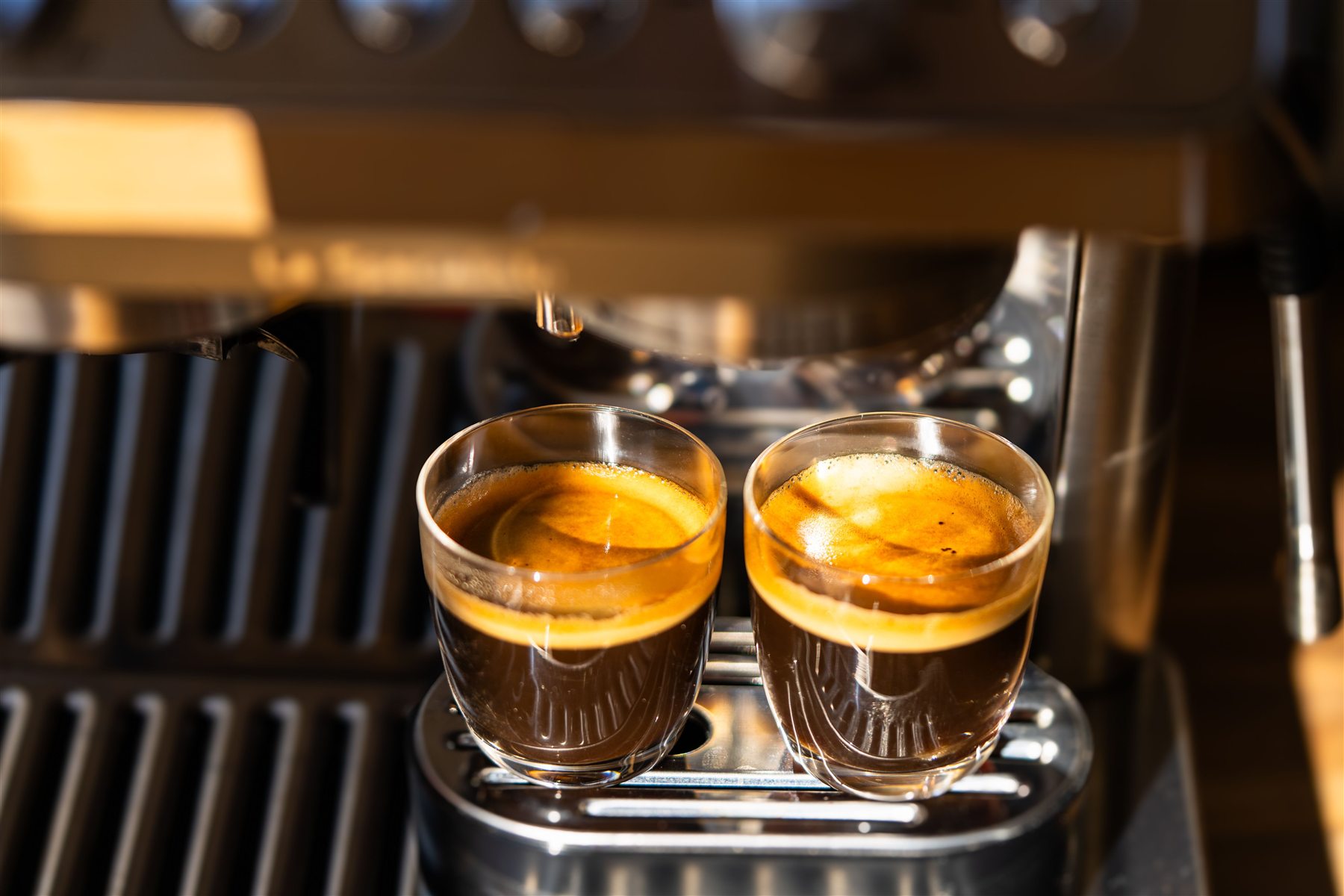
A thick crema on espresso and the swelling of ground coffee when water is poured into a phin can both be related to CO₂ remaining after roasting. But foam quantity alone is not a measure of quality. Explore how CO₂ influences crema, water penetration and flow, and how to compare brews to understand the differences better.
23/10/2026
Why Can Two Coffee Batches at the Same Roast Level Taste Different?
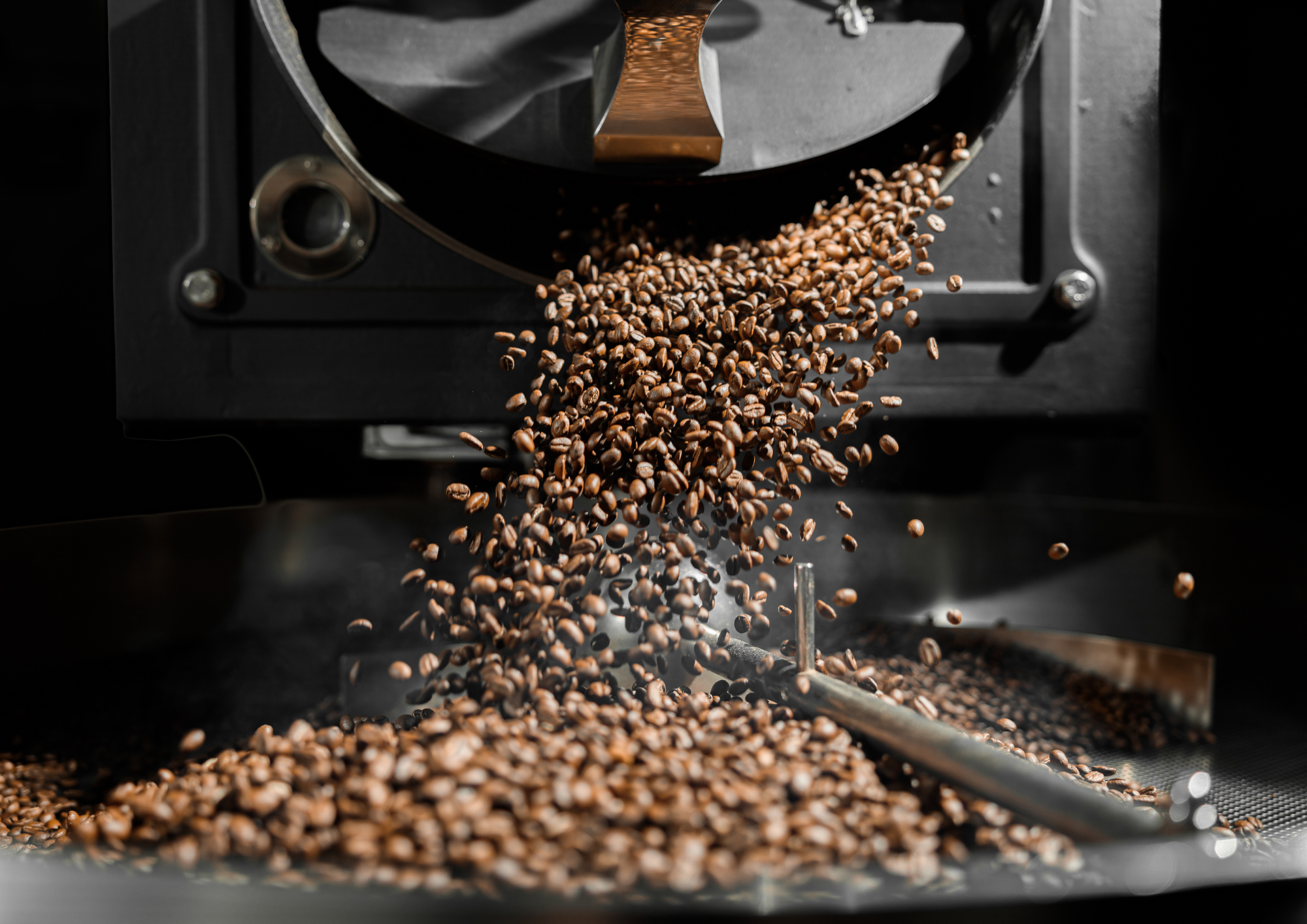
Two coffee bags may both say 'medium roast', yet produce different aromas, acidity, body and aftertaste. That is not necessarily a mistake. Roast level describes only part of the finished coffee's condition; the variety, green-bean quality and the way the roast develops also shape flavour.
23/10/2026
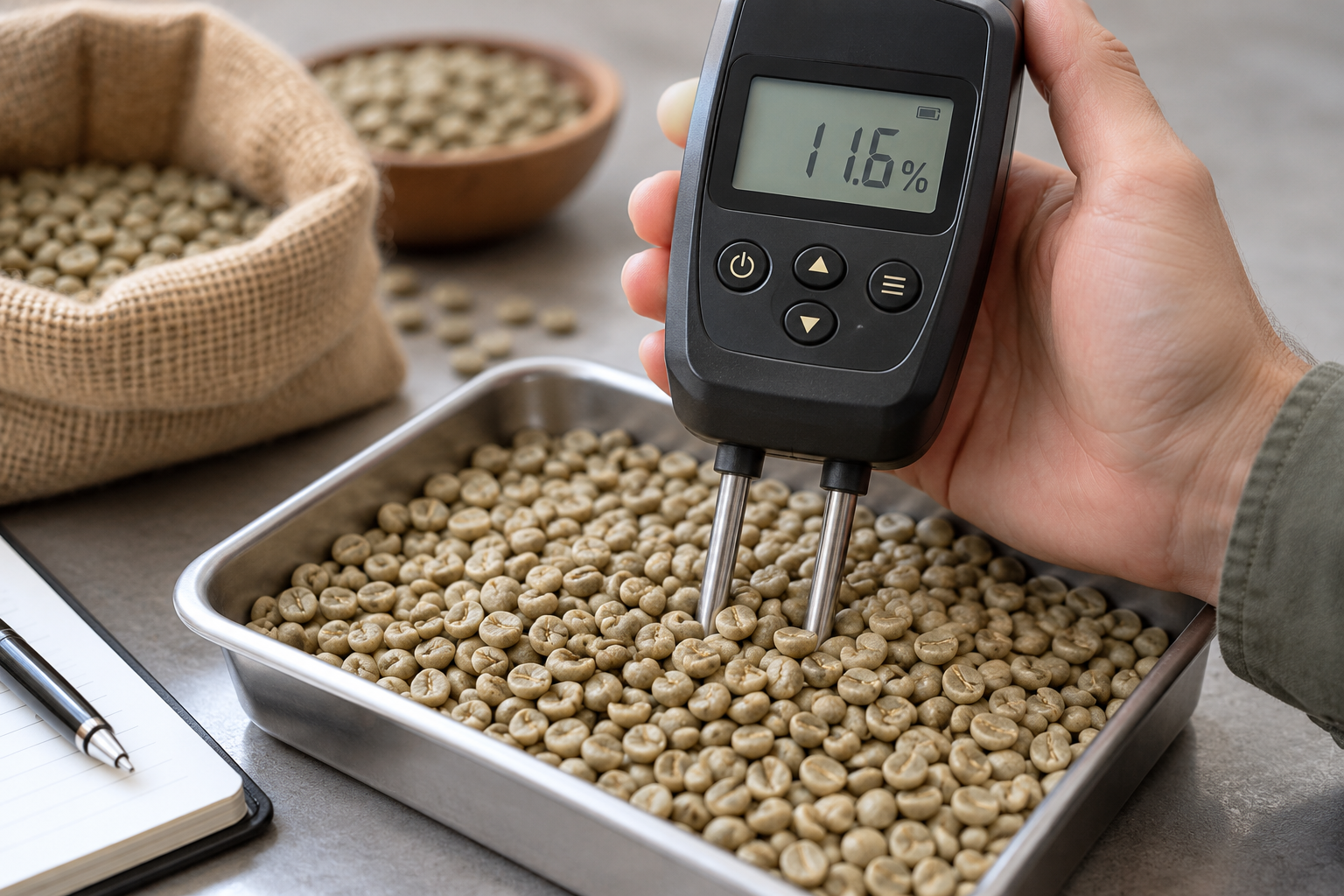
How Does Pre-Roast Coffee Bean Moisture Affect Quality?
Two green coffee lots can look almost identical yet have different moisture contents. Even within one lot, some beans may be wetter and others drier than average. This variation affects how beans respond to heat during roasting, showing why pre-roast stabilisation is more than simply leaving the beans to wait.
