

Featured News
The most outstanding from Lopha Coffee
Everyday Coffee

21/11/2026
Why Does Brewed Coffee Taste Watery? What to Check before Changing Beans
Watery coffee often comes from using too little coffee for the water, an unsuitable grind, water flowing through the grounds too quickly, or milk and melting ice diluting the drink. Check your recipe and brewing method before assuming the beans are poor quality.
Everyday Coffee
21/11/2026
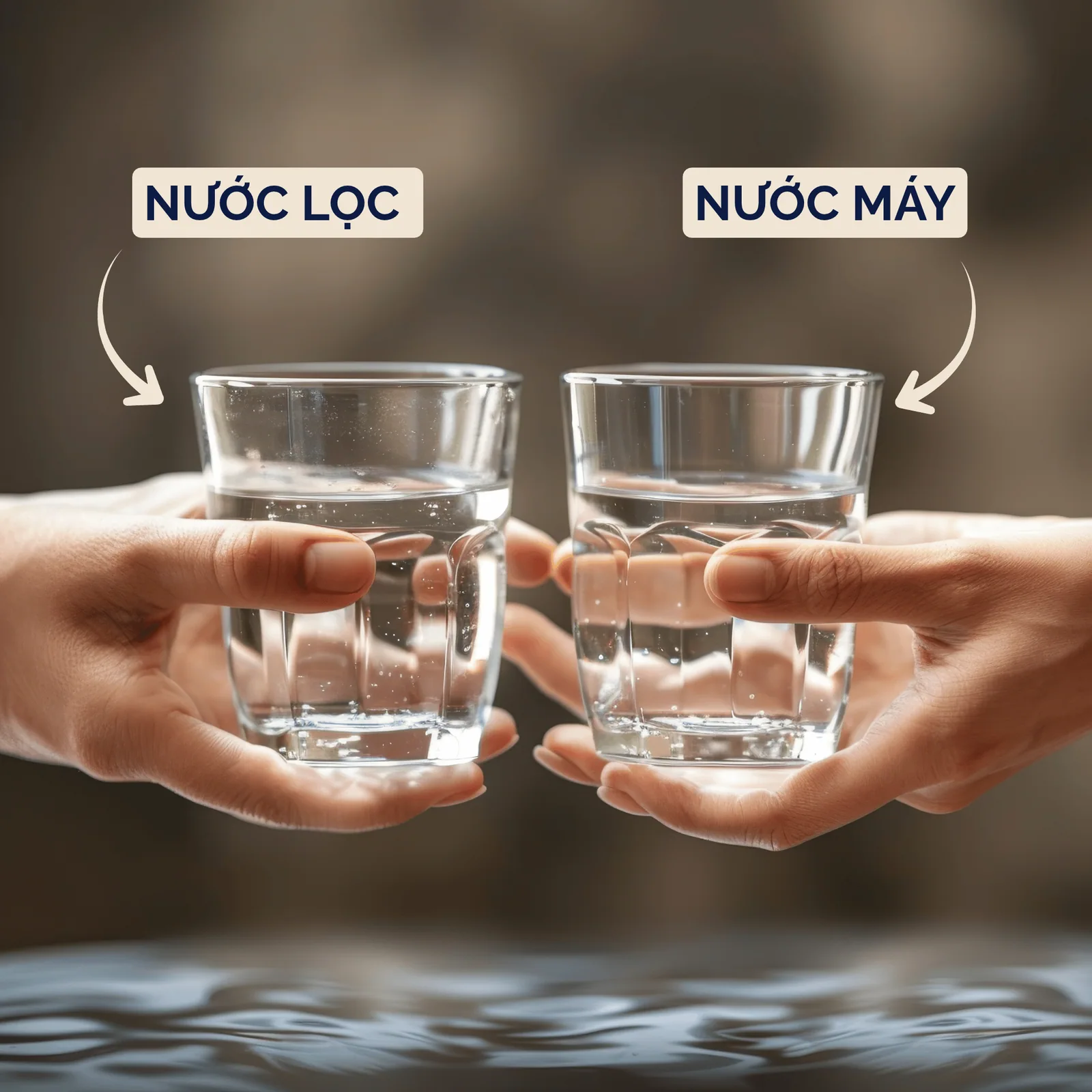
Filtered or Tap Water for Coffee? When Water Changes the Taste of Your Cup
Water for coffee should be safe to drink, free from unusual odors and contain a suitable mineral balance. Filtered water is often an easy starting choice, but purer water with fewer minerals does not automatically make better coffee.
Everyday Coffee
21/11/2026
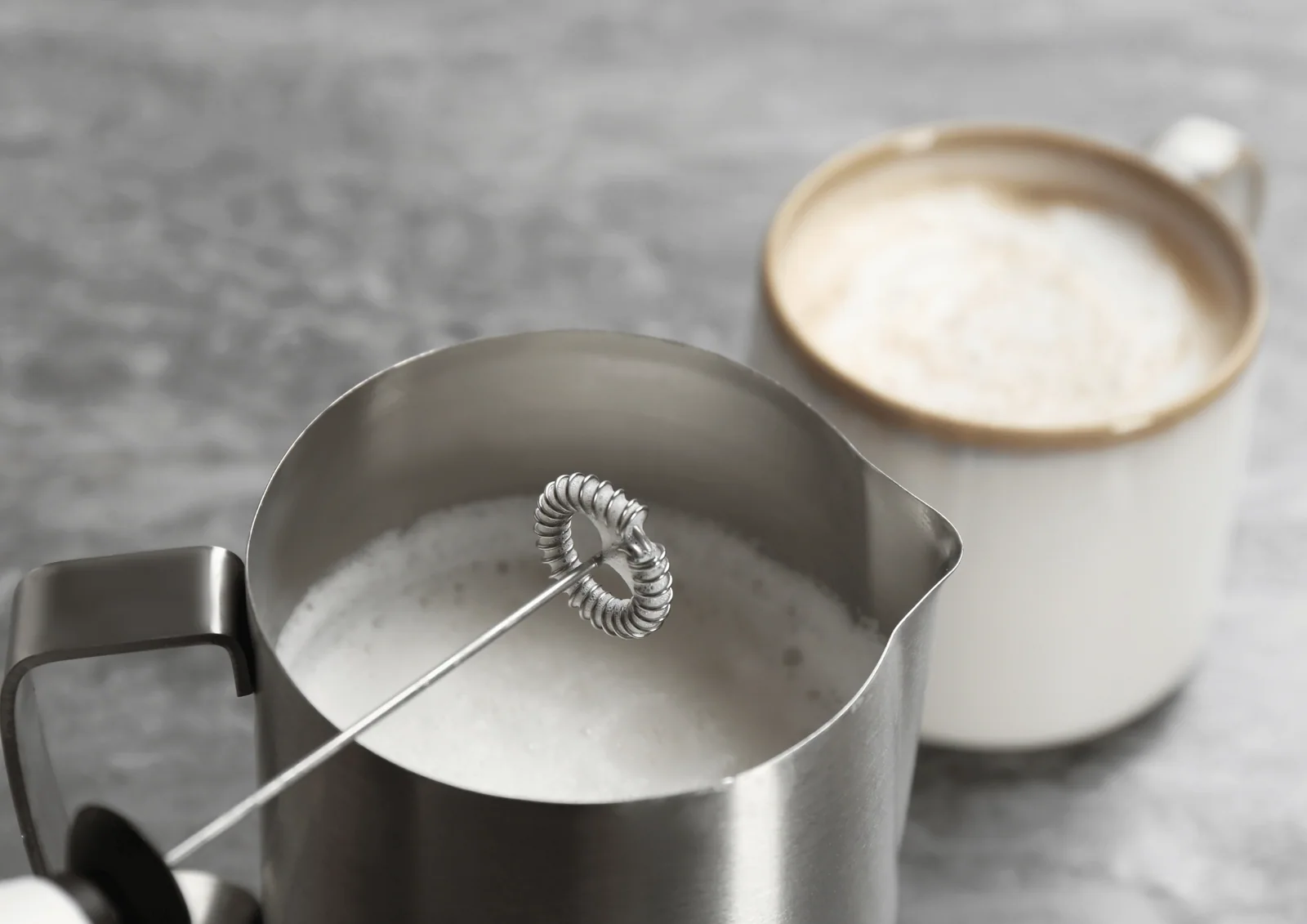
How to Froth Milk at Home without an Espresso Machine: Getting Fine, Smooth Foam
You can froth milk at home with a handheld frother or French Press without an espresso machine. For smoother foam, pay attention to the type and temperature of milk, how much air you introduce, and how you break up large bubbles after frothing.
Everyday Coffee
21/11/2026
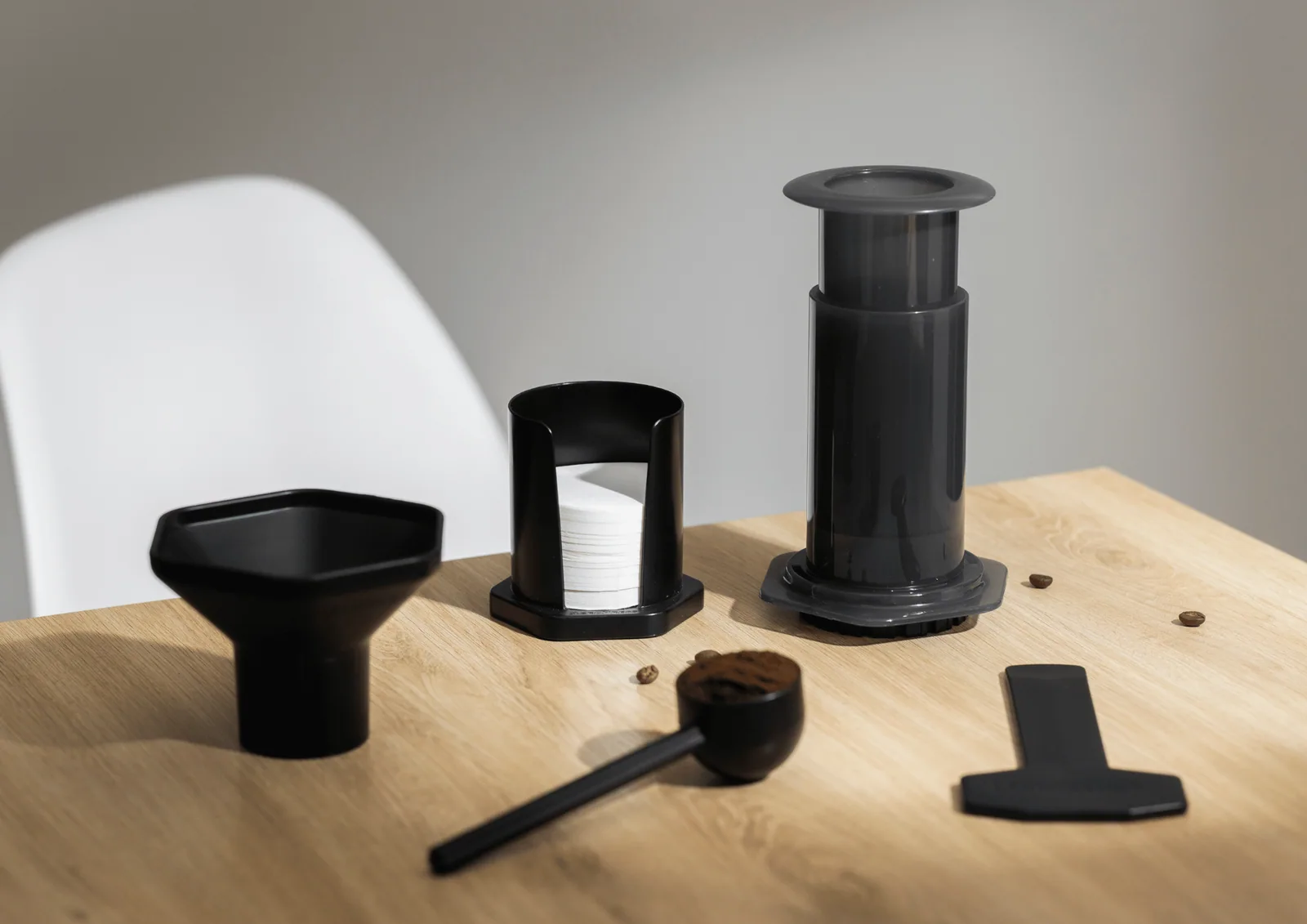
How to Use an AeroPress at Home: An Easy Coffee Recipe for Beginners
An AeroPress uses a brewing chamber, filter paper and plunger to steep coffee before pressing it through a filter. For a starting recipe from the manufacturer, try around 16–18 g of medium-ground coffee, water at roughly 85°C, a one-minute steep and a gentle press.
Everyday Coffee

21/11/2026
How to Make French Press Coffee at Home: Ratio, Steep Time and Tips for Less Sediment
A French Press brews coffee by steeping grounds in hot water and using a mesh plunger to separate them. Start with about 18 g of coffee and 300 g of water, steep for around 4 minutes, then press gently and adjust for flavor and the amount of sediment you prefer.
Everyday Coffee

21/11/2026
How to Brew V60 Pour-Over Coffee at Home: A Recipe with 15 g Coffee and 250 g Water
An easy V60 starting recipe uses 15 g of medium-fine coffee with 250 g of water at around 92–96°C. Rinse the filter paper, wet the grounds, wait about 30 seconds, then pour in small circles to encourage more even extraction.
Latest
from Lopha Coffee
23/10/2026
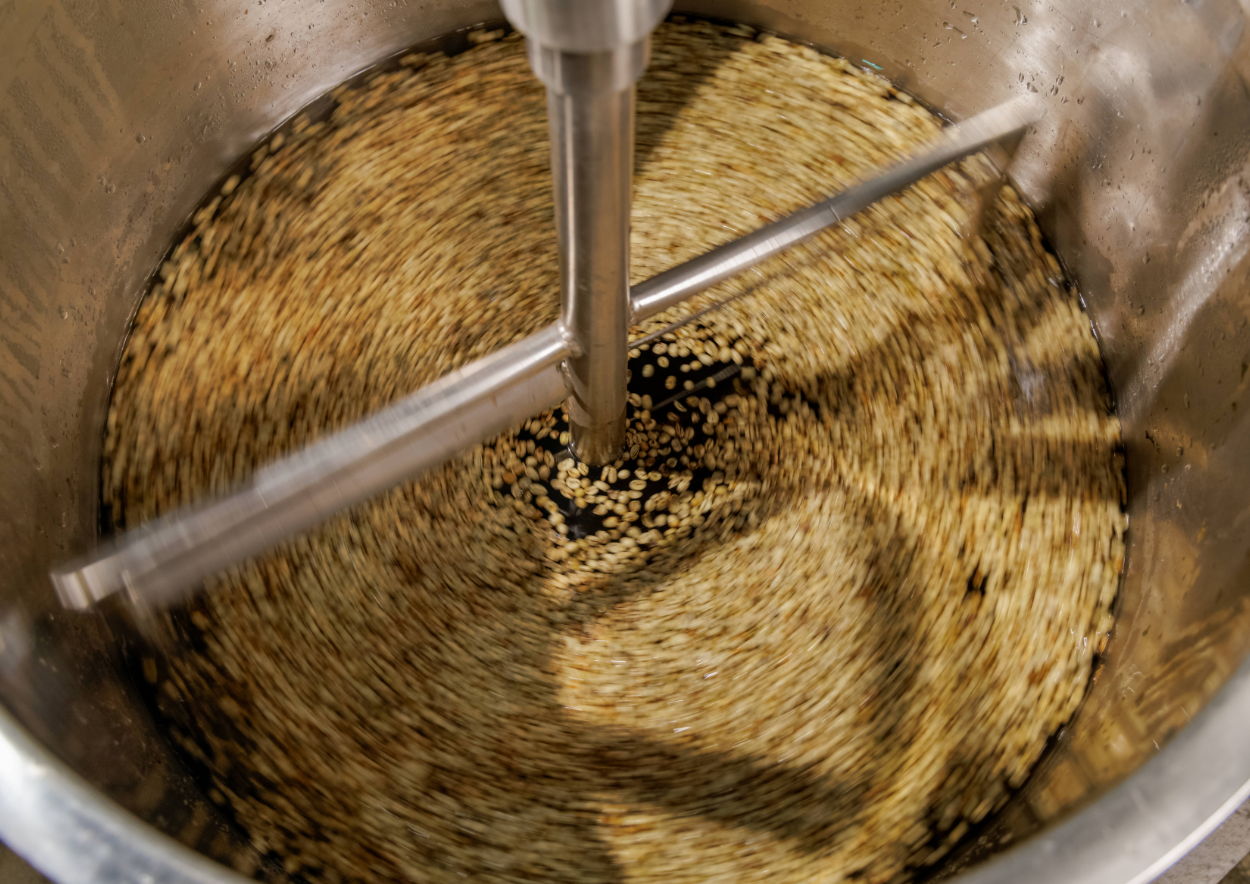
Why Can Coffee Beans Become Recontaminated After Rinsing?
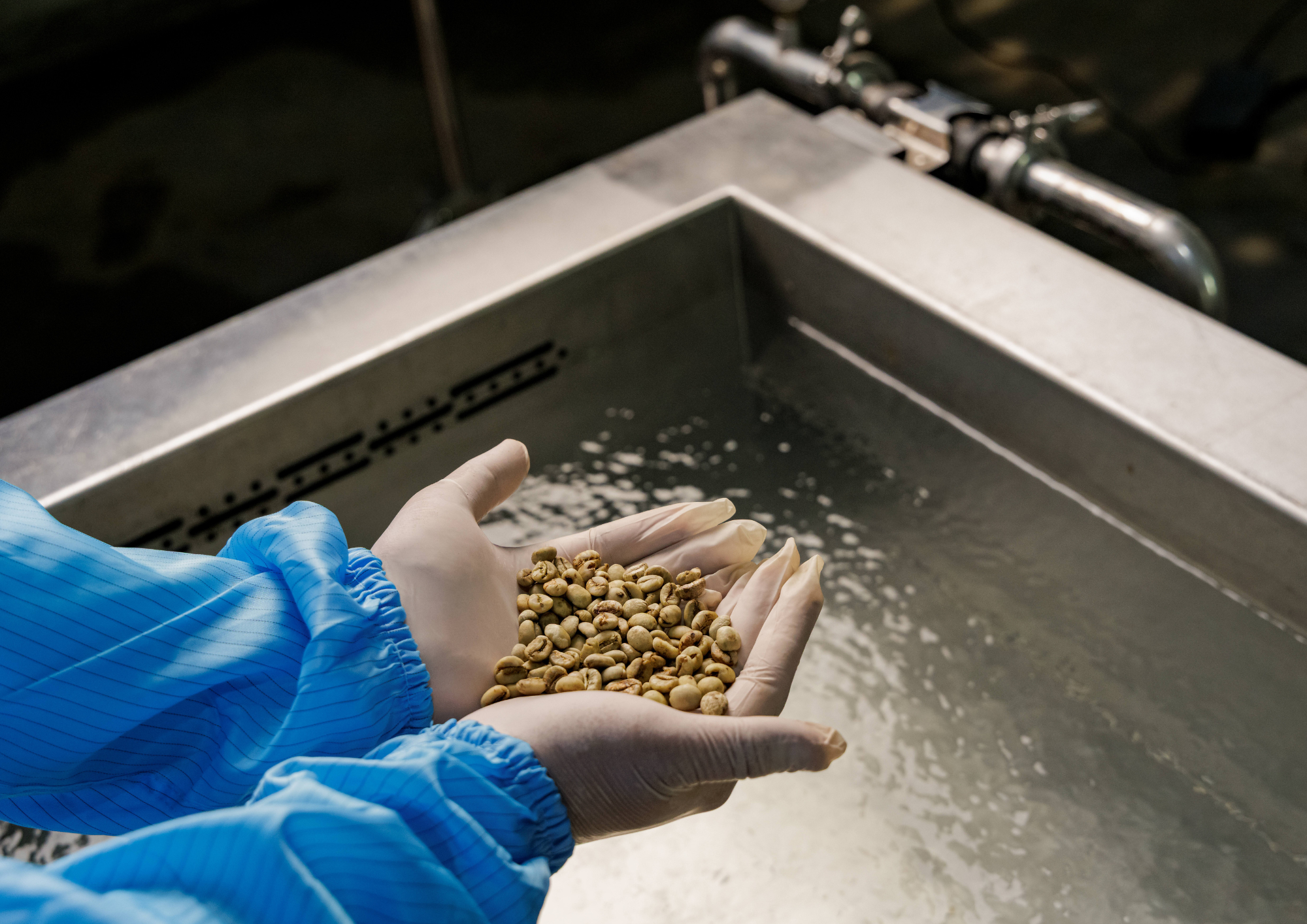
Rinsing removes residues loosened from coffee beans, but clean beans will not stay clean if they later encounter unsuitable conditions. Water, equipment surfaces and handling practices can all introduce recontamination risks. Understanding this shows why hygiene after rinsing is as important as the rinsing stage itself.
23/10/2026
Surface Contaminants and the Limits of Ultrasonic Coffee Cleaning
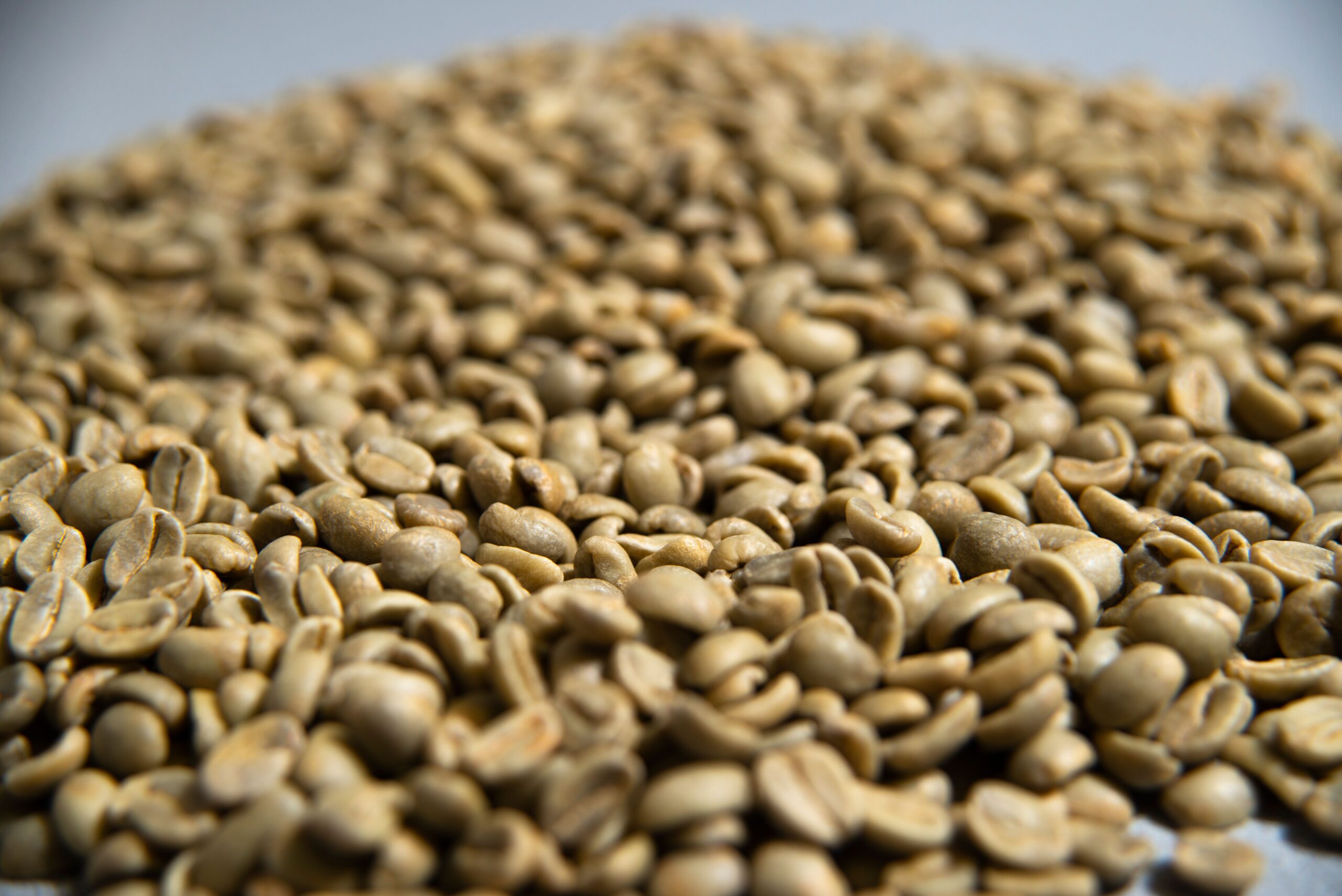
Ultrasound is often imagined as a deep-cleaning method capable of removing every impurity. In reality, its effects depend on where substances are located, the treatment conditions and the surrounding stages. Distinguishing material attached to a bean's surface from substances that have penetrated the raw material helps explain both the capabilities and limits of the technology.
23/10/2026
How Do Bean Size and Moisture Affect Heating?
Beans exposed to heat in the same stage do not necessarily respond in the same way. Large beans, small beans and groups with different moisture levels may behave differently. During preparation before ultrasonic treatment, consistent raw materials provide a sounder basis for controlling heating conditions. It is also important not to confuse preparatory heating with flavour-developing roasting.
23/10/2026
Small Foreign Objects in Green Coffee and How to Control Them
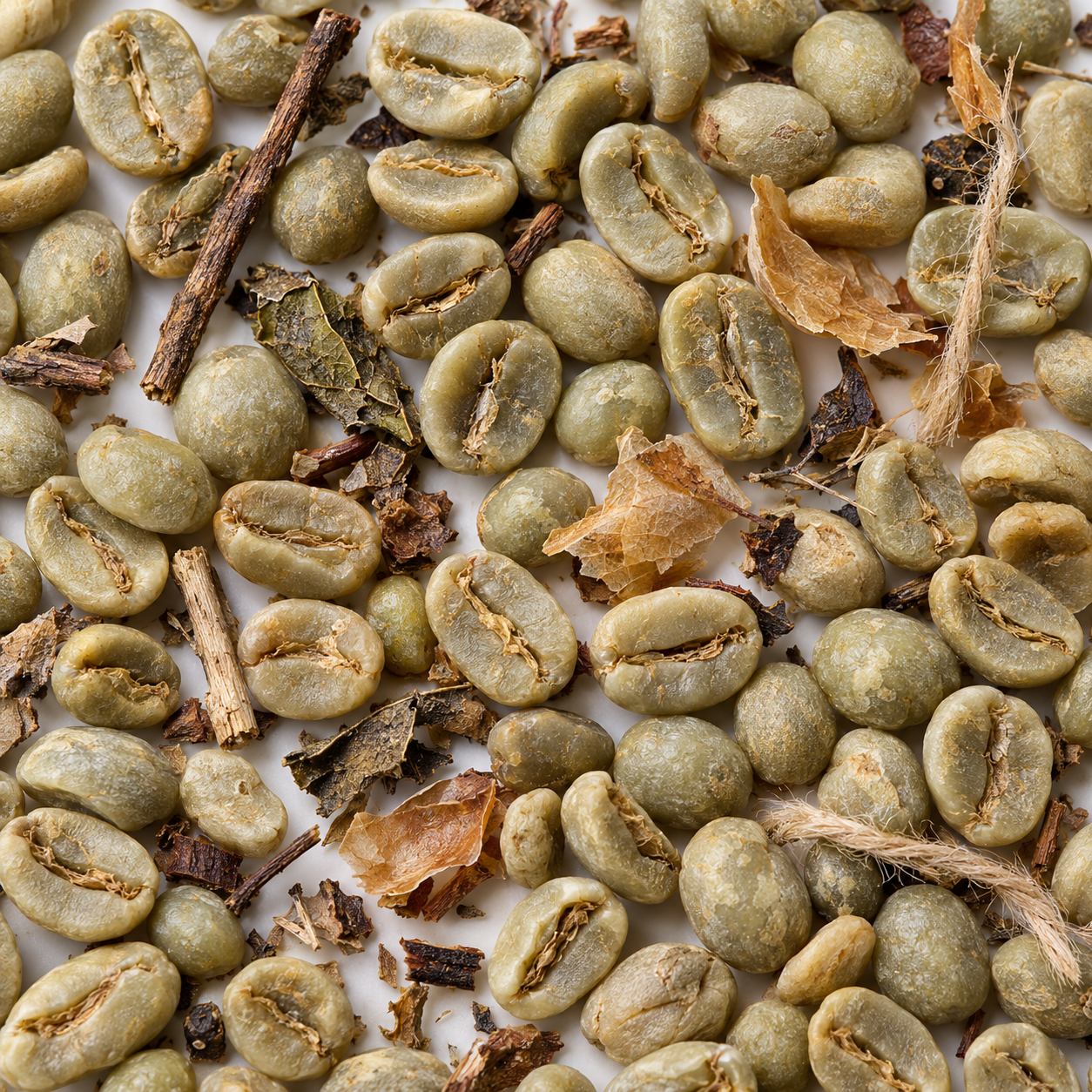
A sack of green coffee needs more than good-quality beans: it must also be checked for materials that do not belong in coffee. Small stones, husk fragments and other foreign objects may enter at various stages. Understanding how to detect and prevent them shows why mechanical cleaning remains important even when a factory uses more advanced processing techniques.
23/10/2026
Common Defects Found in Green Coffee Beans
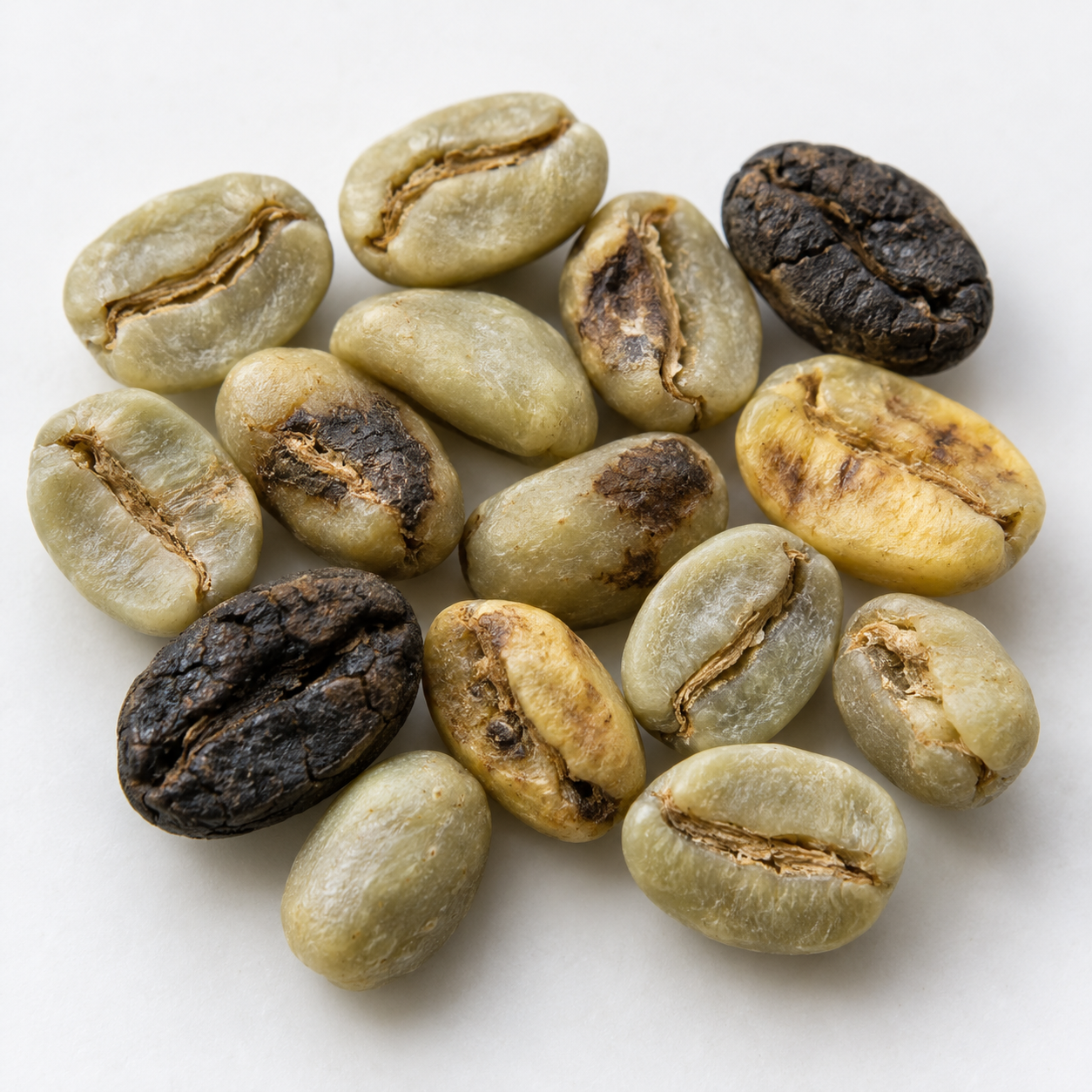
Green coffee beans can carry signs of harvesting, primary processing and storage: black beans, insect damage, cracks and incomplete development. Not every visual difference is a defect, and not every quality problem is visible to the eye. Identifying defect categories correctly helps explain why raw-material selection before roasting is so important.
23/10/2026
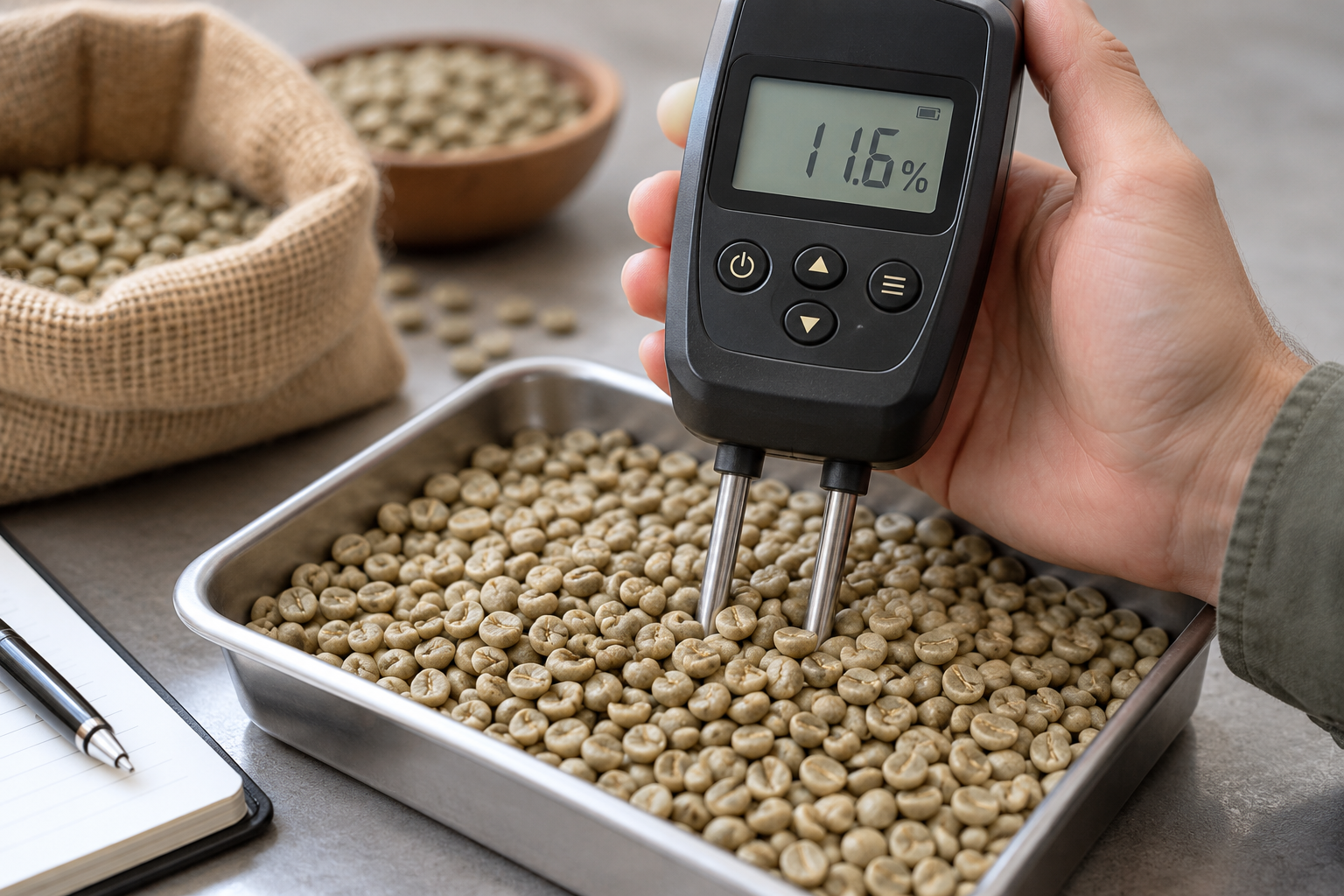
Why Can Green Coffee Beans Reabsorb Moisture After Drying?
Coffee that has been properly dried will not necessarily keep the same moisture level if storage conditions are unsuitable. Green coffee beans can exchange water vapour with the air, particularly in hot, humid weather or poorly ventilated warehouses. Understanding moisture reabsorption shows why drying coffee and keeping it dry are two different tasks.
23/10/2026
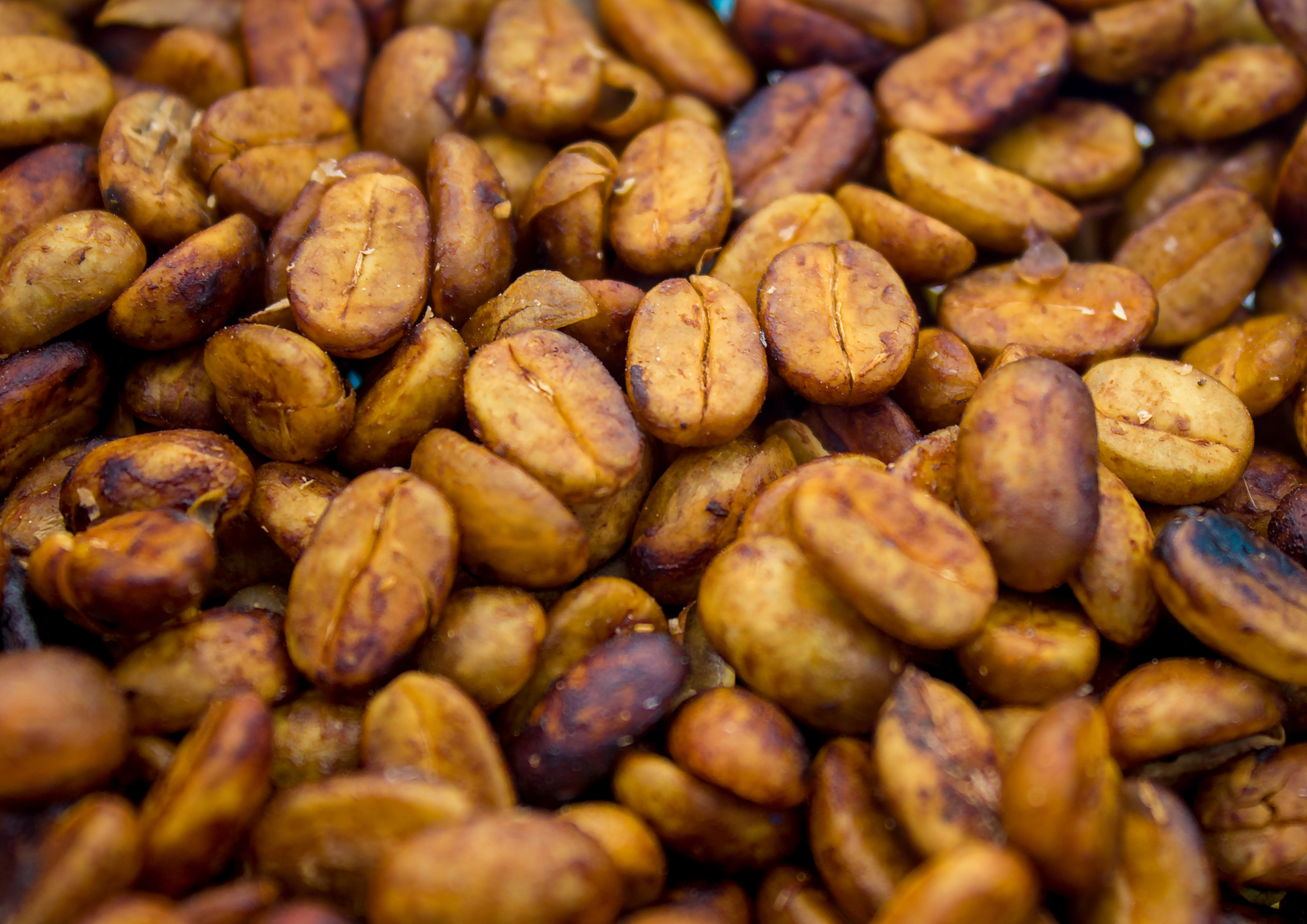
Honey-Processed Coffee and the Role of Natural Mucilage
The name 'Honey coffee' leads many people to believe that honey has been added. In fact, Honey is a processing method that retains some of the natural mucilage around the bean after the fruit skin and pulp are removed. That remaining mucilage calls for particular care during drying. Understanding Honey processing also helps distinguish it from conventional washed processing and explains why different green coffees have their own characteristics.
23/10/2026
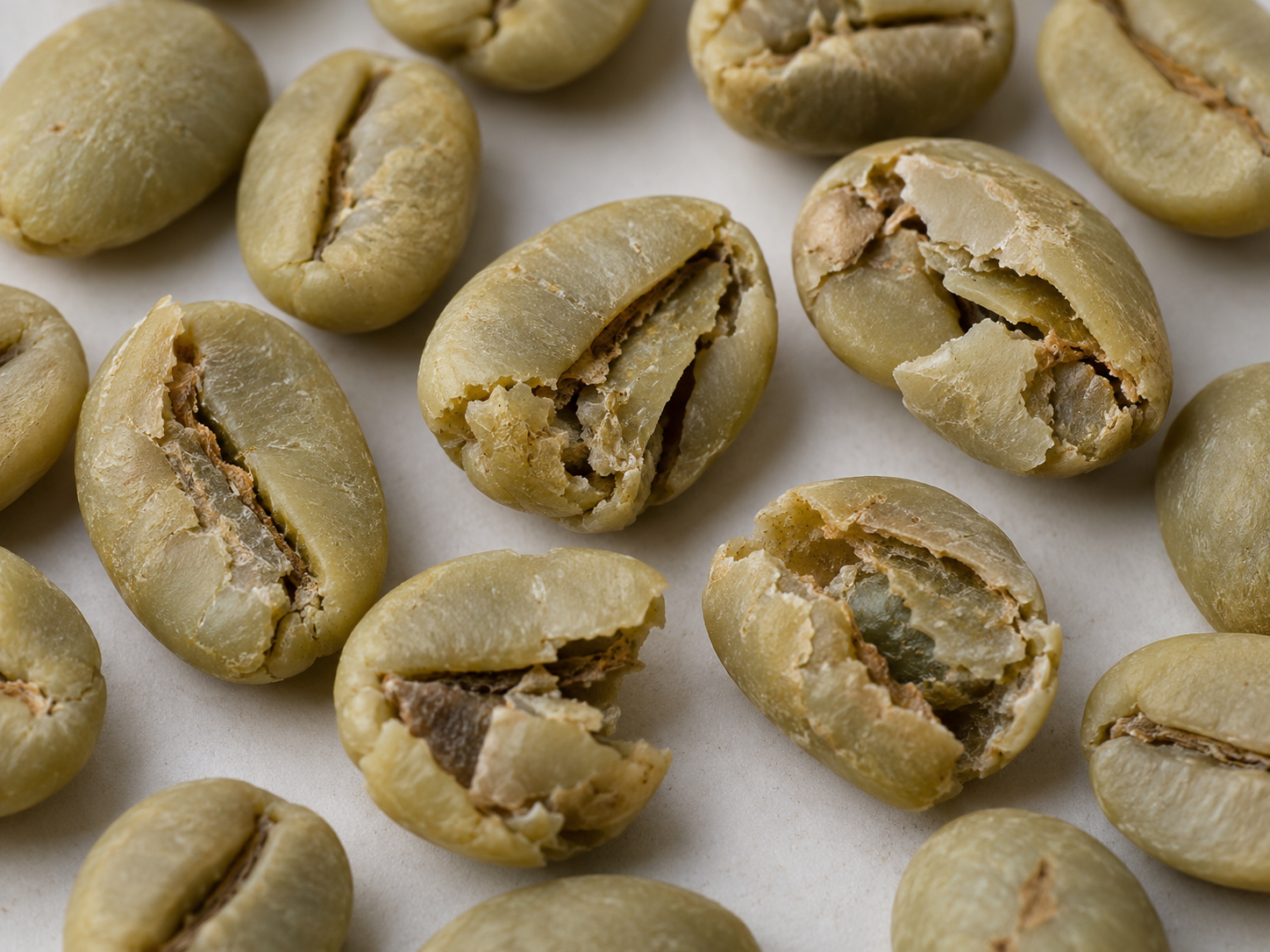
Cracked or Broken Coffee Beans After Pulping: Causes and Effects
Not every coffee bean remains perfectly intact after the fruit skin and pulp are removed. Uneven raw materials or mechanical forces can leave some beans chipped, cracked or broken. Understanding how this damage occurs shows why cherry selection and careful adjustments to the pulping stage matter to the quality of green coffee.
