

Featured News
The most outstanding from Lopha Coffee
Everyday Coffee

21/11/2026
Why Does Brewed Coffee Taste Watery? What to Check before Changing Beans
Watery coffee often comes from using too little coffee for the water, an unsuitable grind, water flowing through the grounds too quickly, or milk and melting ice diluting the drink. Check your recipe and brewing method before assuming the beans are poor quality.
Everyday Coffee
21/11/2026
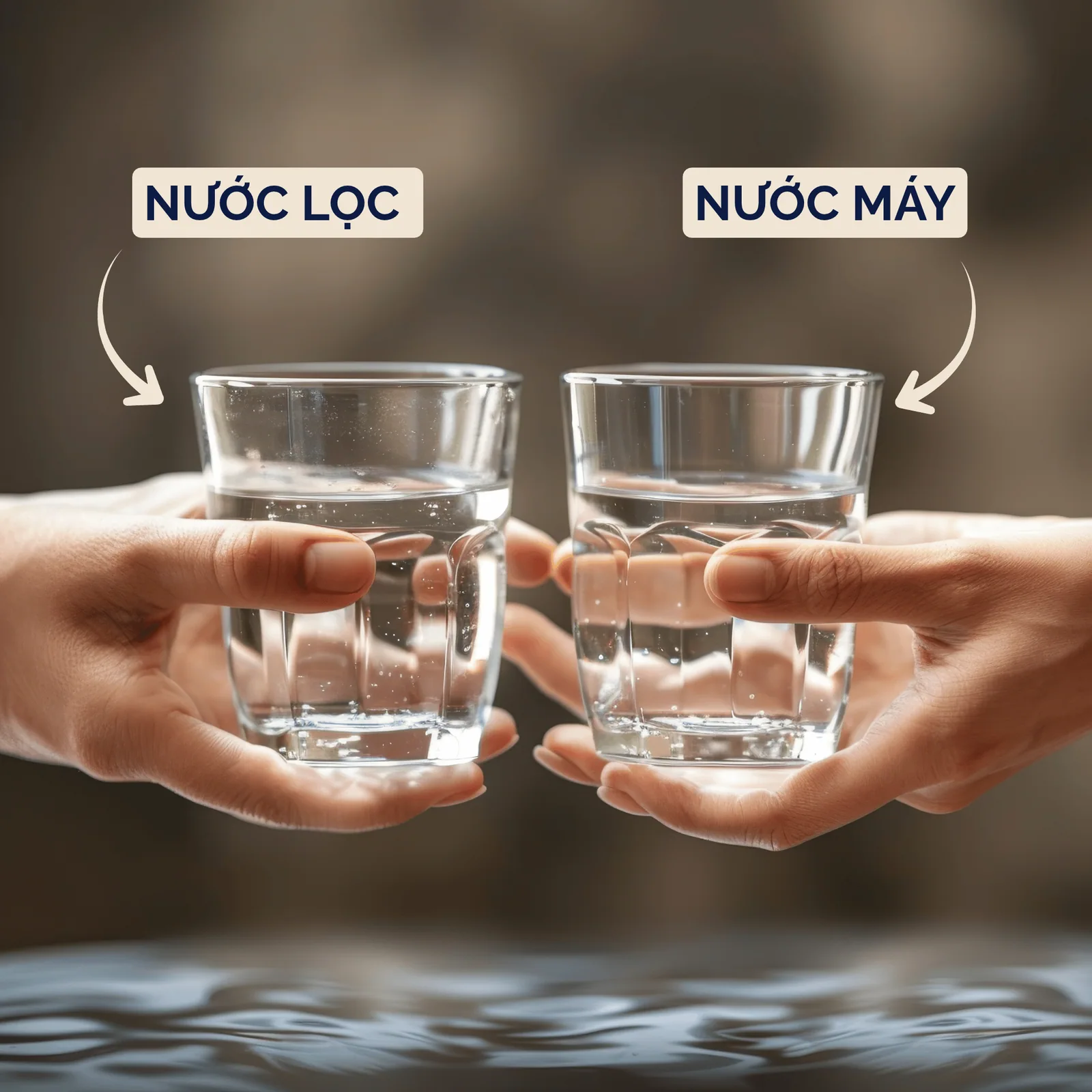
Filtered or Tap Water for Coffee? When Water Changes the Taste of Your Cup
Water for coffee should be safe to drink, free from unusual odors and contain a suitable mineral balance. Filtered water is often an easy starting choice, but purer water with fewer minerals does not automatically make better coffee.
Everyday Coffee
21/11/2026
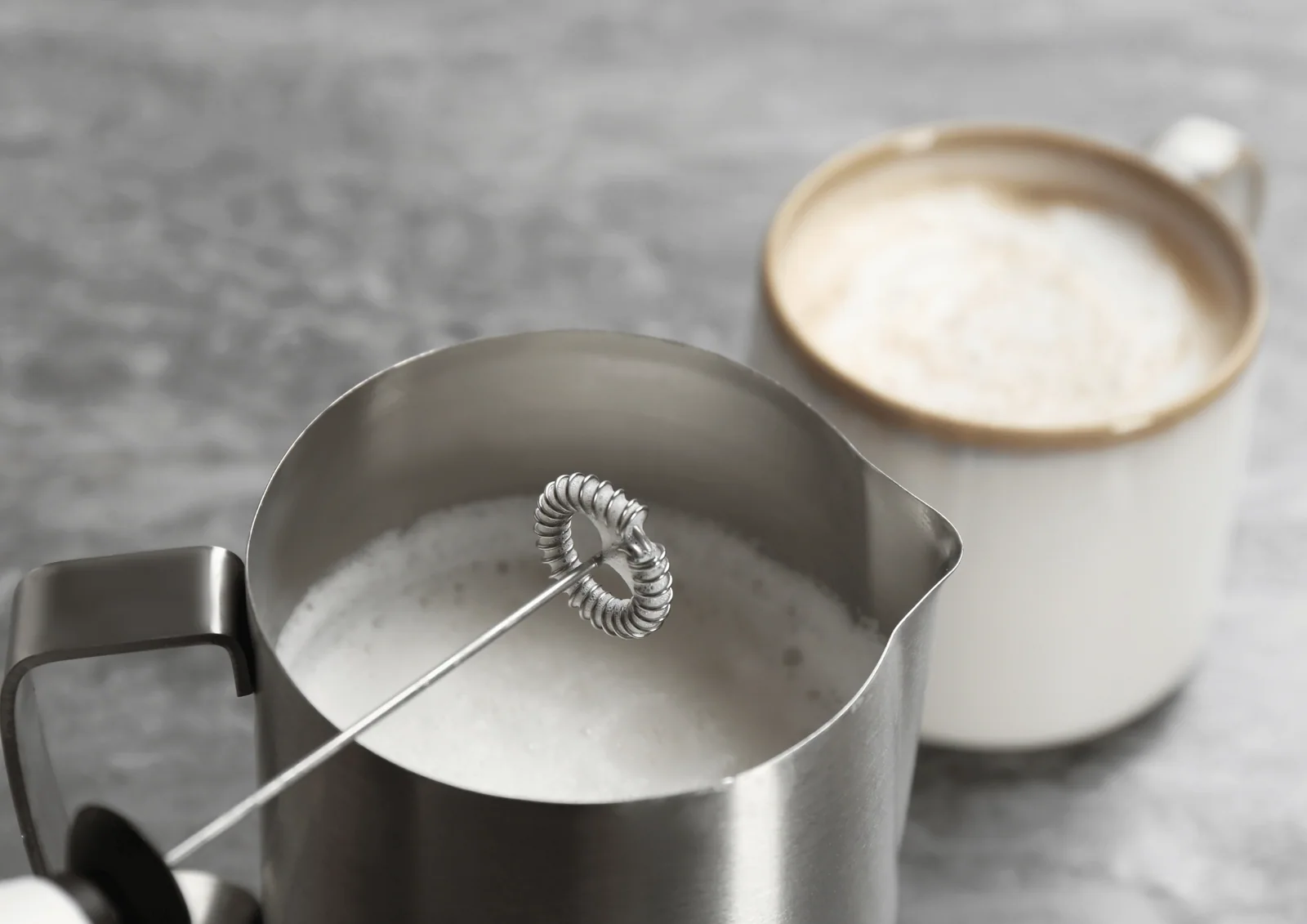
How to Froth Milk at Home without an Espresso Machine: Getting Fine, Smooth Foam
You can froth milk at home with a handheld frother or French Press without an espresso machine. For smoother foam, pay attention to the type and temperature of milk, how much air you introduce, and how you break up large bubbles after frothing.
Everyday Coffee
21/11/2026
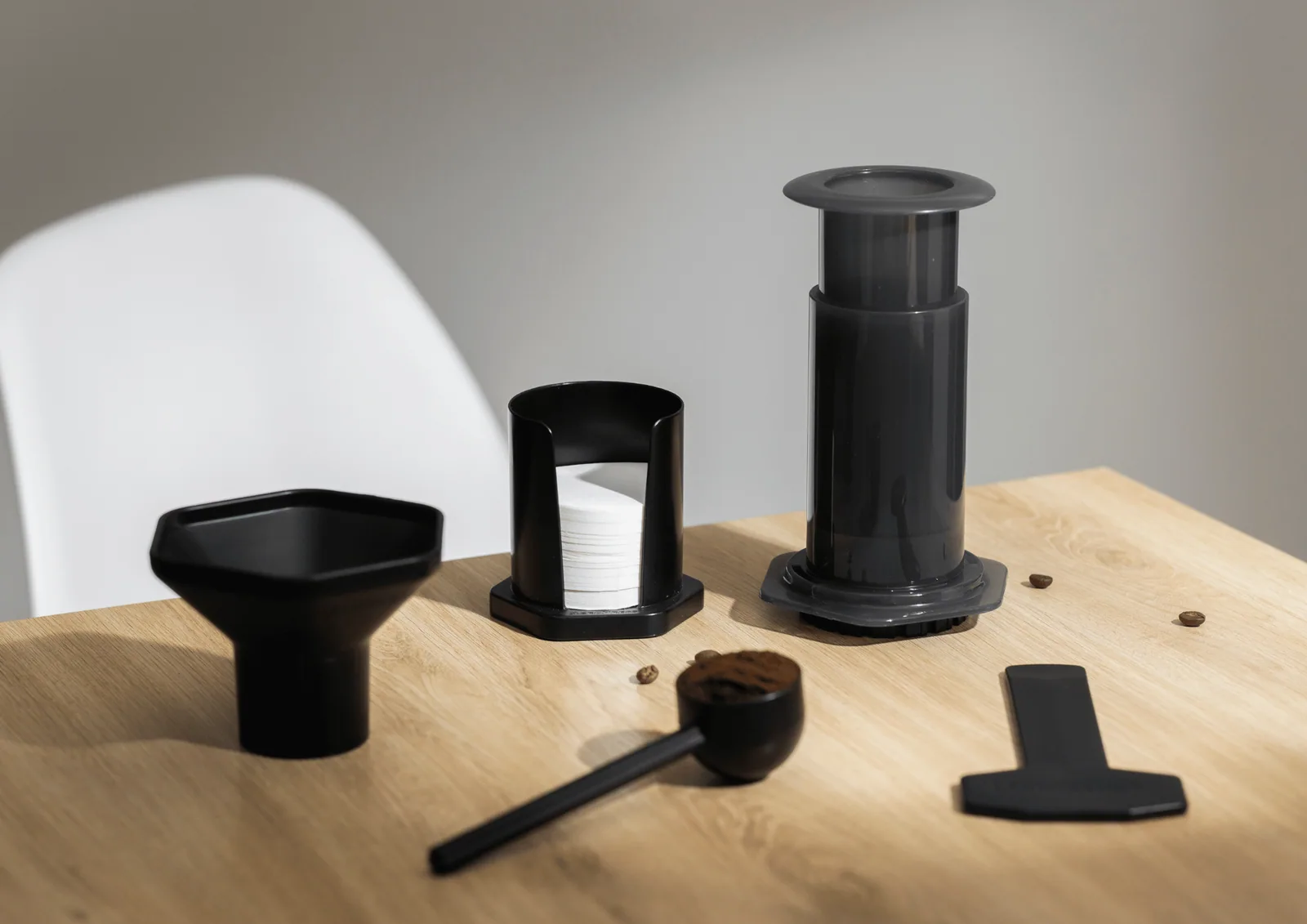
How to Use an AeroPress at Home: An Easy Coffee Recipe for Beginners
An AeroPress uses a brewing chamber, filter paper and plunger to steep coffee before pressing it through a filter. For a starting recipe from the manufacturer, try around 16–18 g of medium-ground coffee, water at roughly 85°C, a one-minute steep and a gentle press.
Everyday Coffee

21/11/2026
How to Make French Press Coffee at Home: Ratio, Steep Time and Tips for Less Sediment
A French Press brews coffee by steeping grounds in hot water and using a mesh plunger to separate them. Start with about 18 g of coffee and 300 g of water, steep for around 4 minutes, then press gently and adjust for flavor and the amount of sediment you prefer.
Everyday Coffee

21/11/2026
How to Brew V60 Pour-Over Coffee at Home: A Recipe with 15 g Coffee and 250 g Water
An easy V60 starting recipe uses 15 g of medium-fine coffee with 250 g of water at around 92–96°C. Rinse the filter paper, wet the grounds, wait about 30 seconds, then pour in small circles to encourage more even extraction.
Latest
from Lopha Coffee
23/10/2026
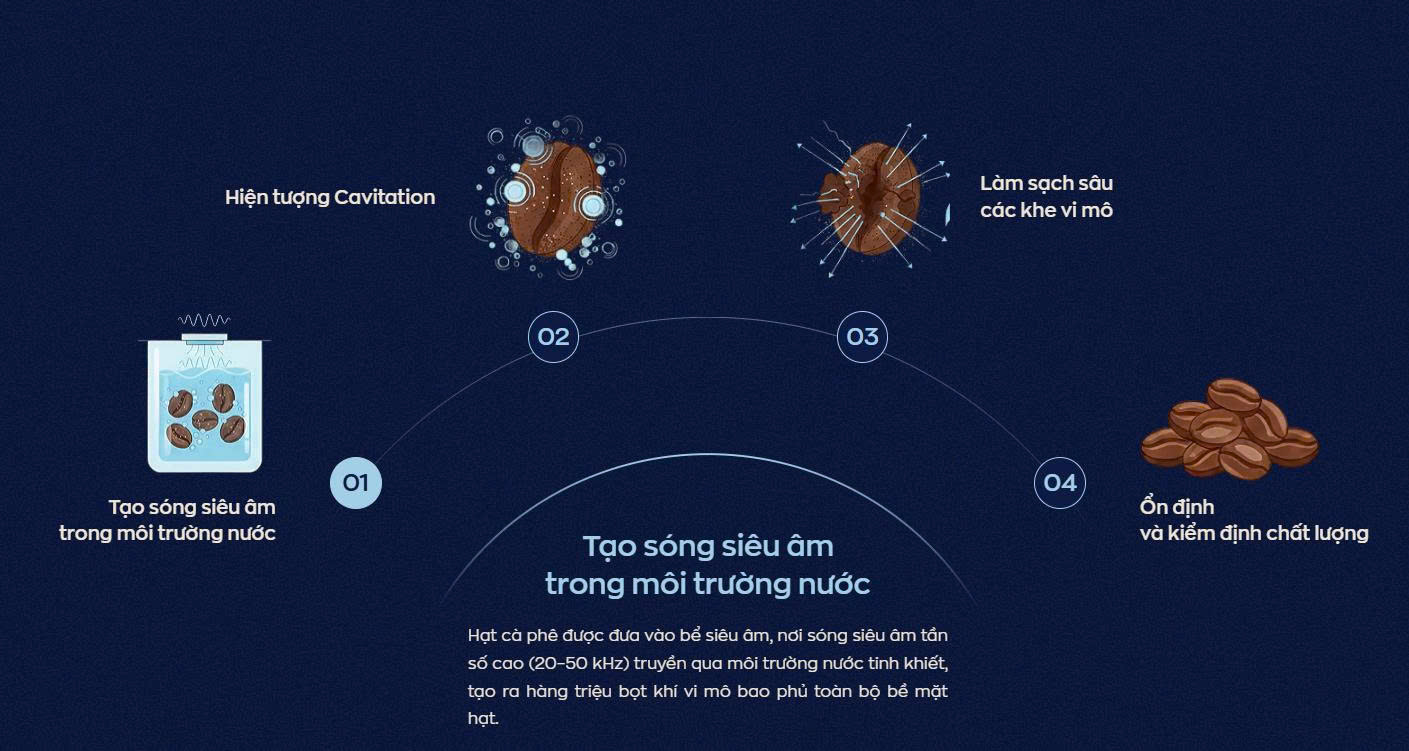
LOPHA Ultrasonic Coffee Cleaning Technology
In LOPHA’s 15-step journey, ultrasonic technology is not a stand-alone demonstration. It receives green coffee that has already been selected, pre-cleaned and heated; afterward the beans must still be rinsed, stabilised and roasted. What matters is how these stages fit together: why suitable inputs are essential, how water quality affects treatment and how results should be evaluated. Only then can we understand the role of this technology within coffee production as a whole.
23/10/2026
Controlled Heating of LOPHA Coffee Beans Before Ultrasonic Treatment
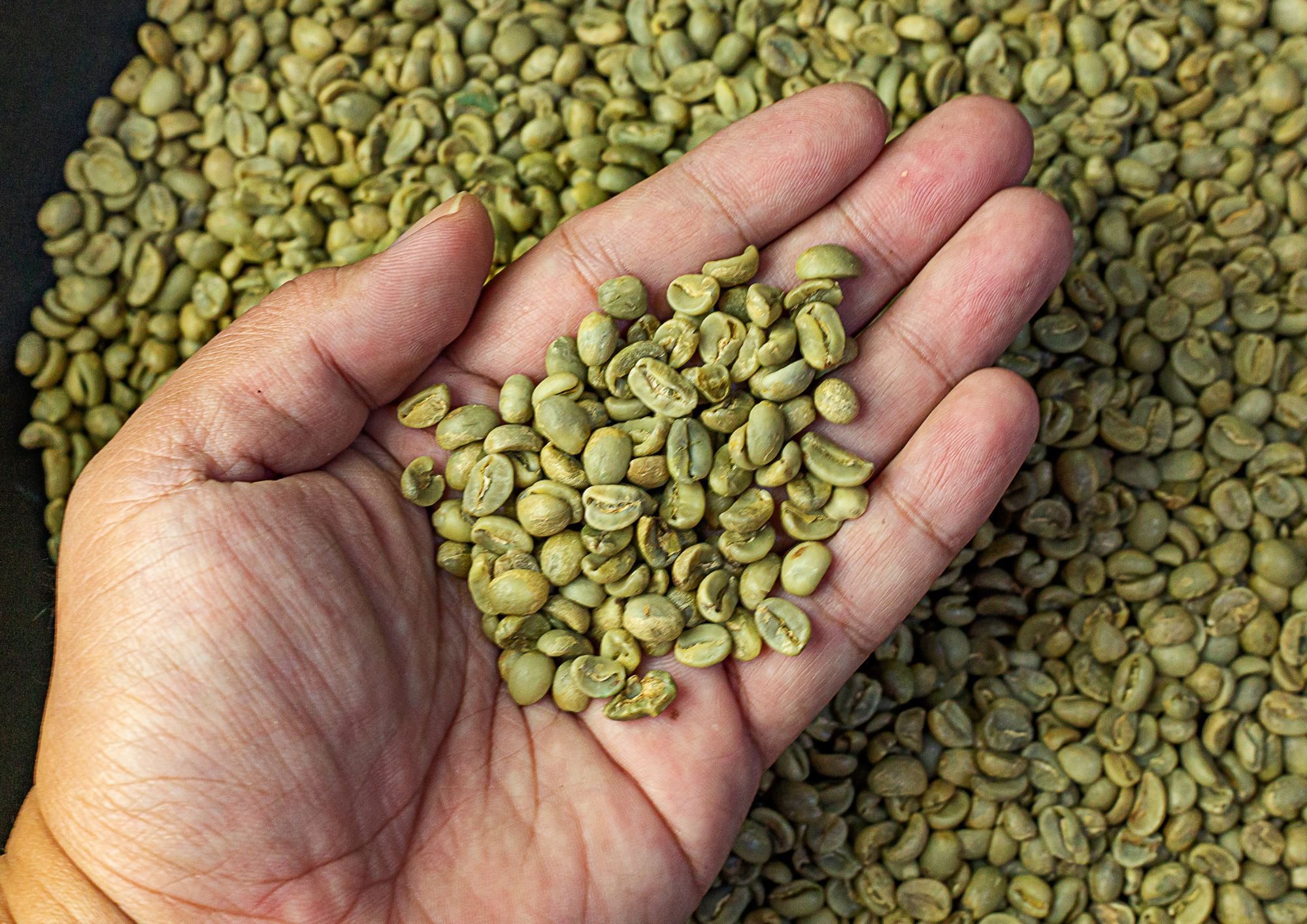
When people hear that coffee beans are heated, they usually think of roasting. In LOPHA’s process, however, a separate heating stage takes place before ultrasonic treatment. This seventh step prepares the condition of the beans. Understanding its purpose helps distinguish raw-material preparation from the roast that develops coffee flavour.
23/10/2026
Pre-cleaning Green Coffee Beans at the Factory
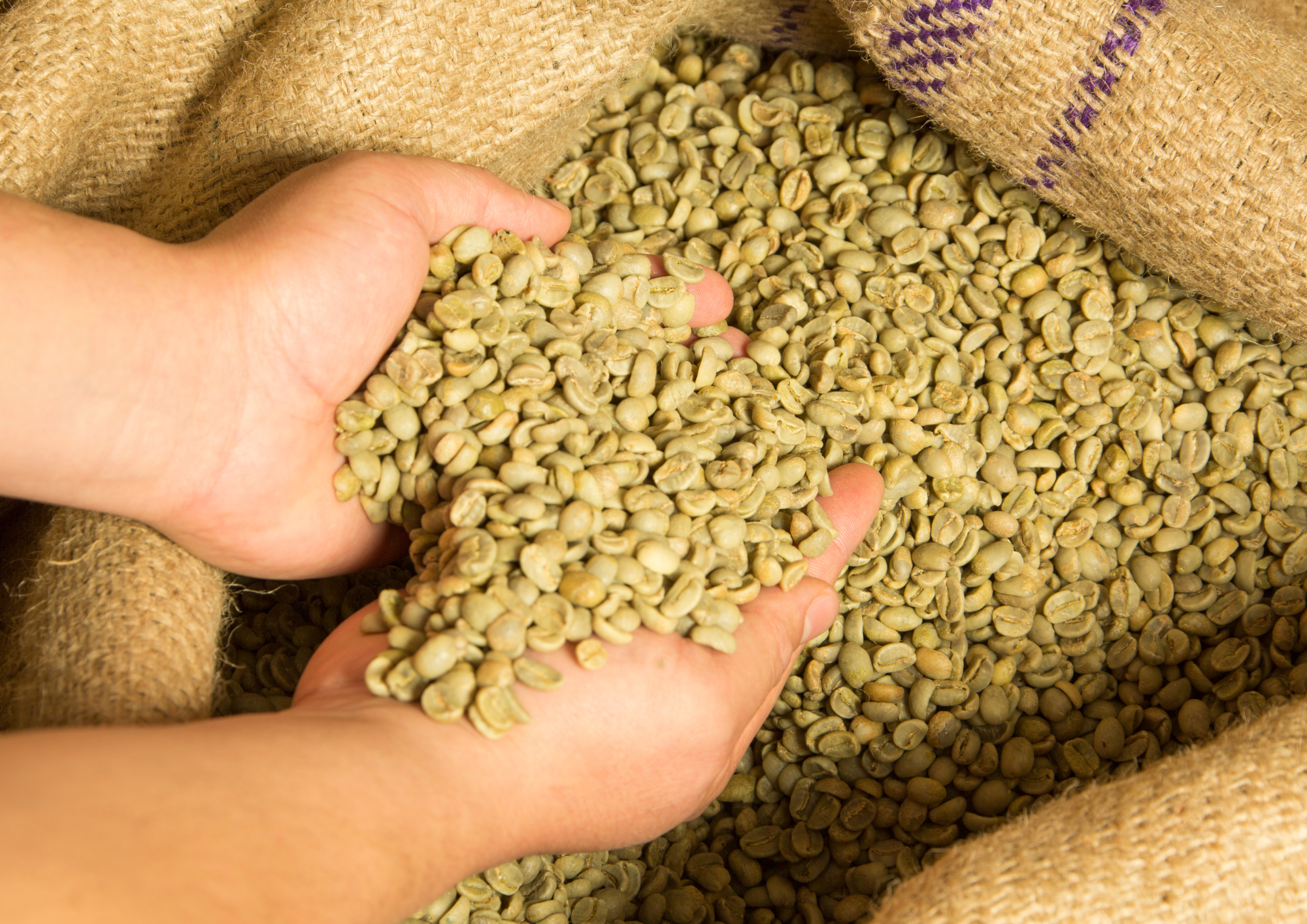
Green coffee beans that have already been processed near the growing area may still carry dust, dried parchment fragments or other unwanted material when they reach the factory. Before more specialised treatment, they therefore undergo preliminary cleaning.
23/10/2026
Selecting Incoming Coffee Raw Materials
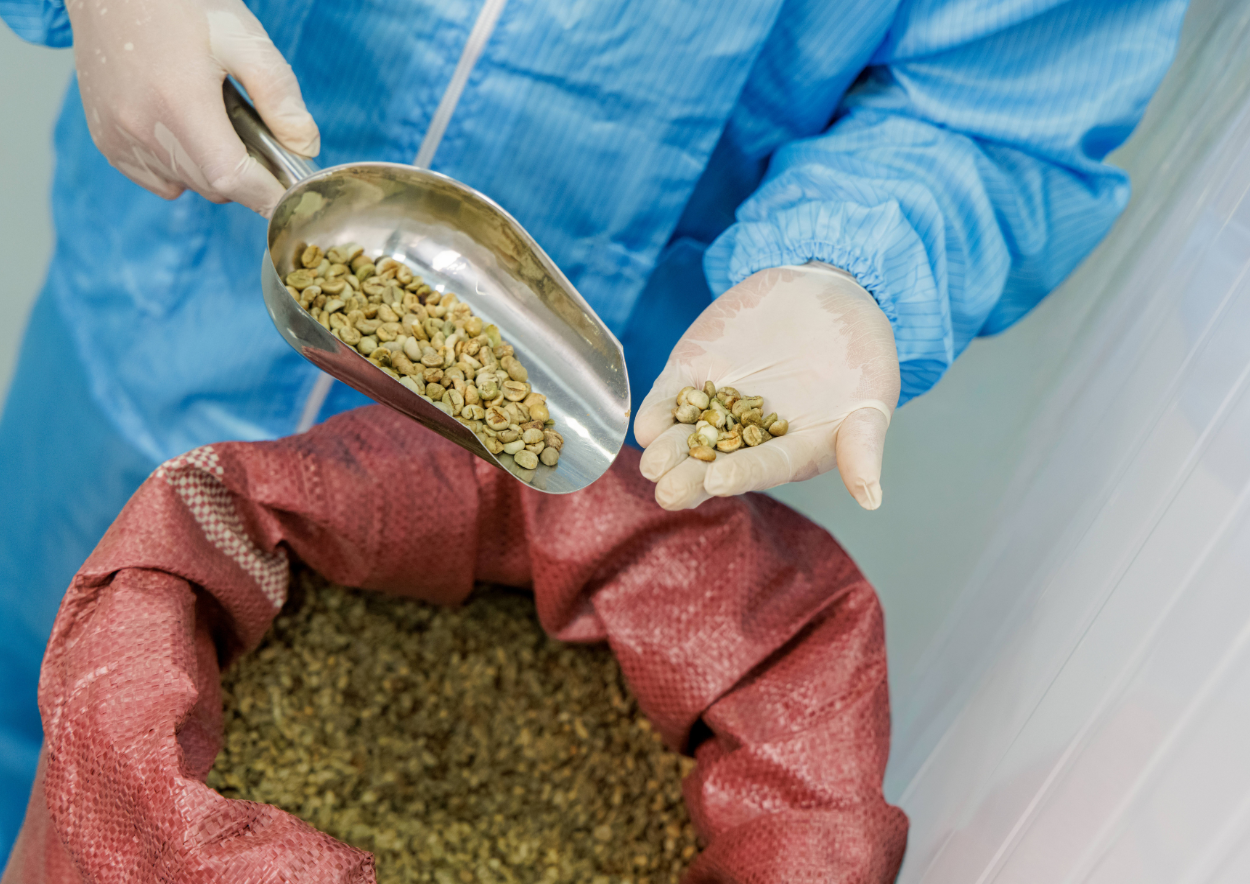
A lot of green coffee beans may look appealing at first glance without necessarily being suitable for production. Before using it, a factory needs to understand the coffee’s origin, storage history, moisture content and any unusual signs. At LOPHA, raw-material selection is the first of the factory’s 11 stated production stages and the fifth step in the complete 15-step journey.
23/10/2026
Drying Coffee and Producing Green Coffee Beans
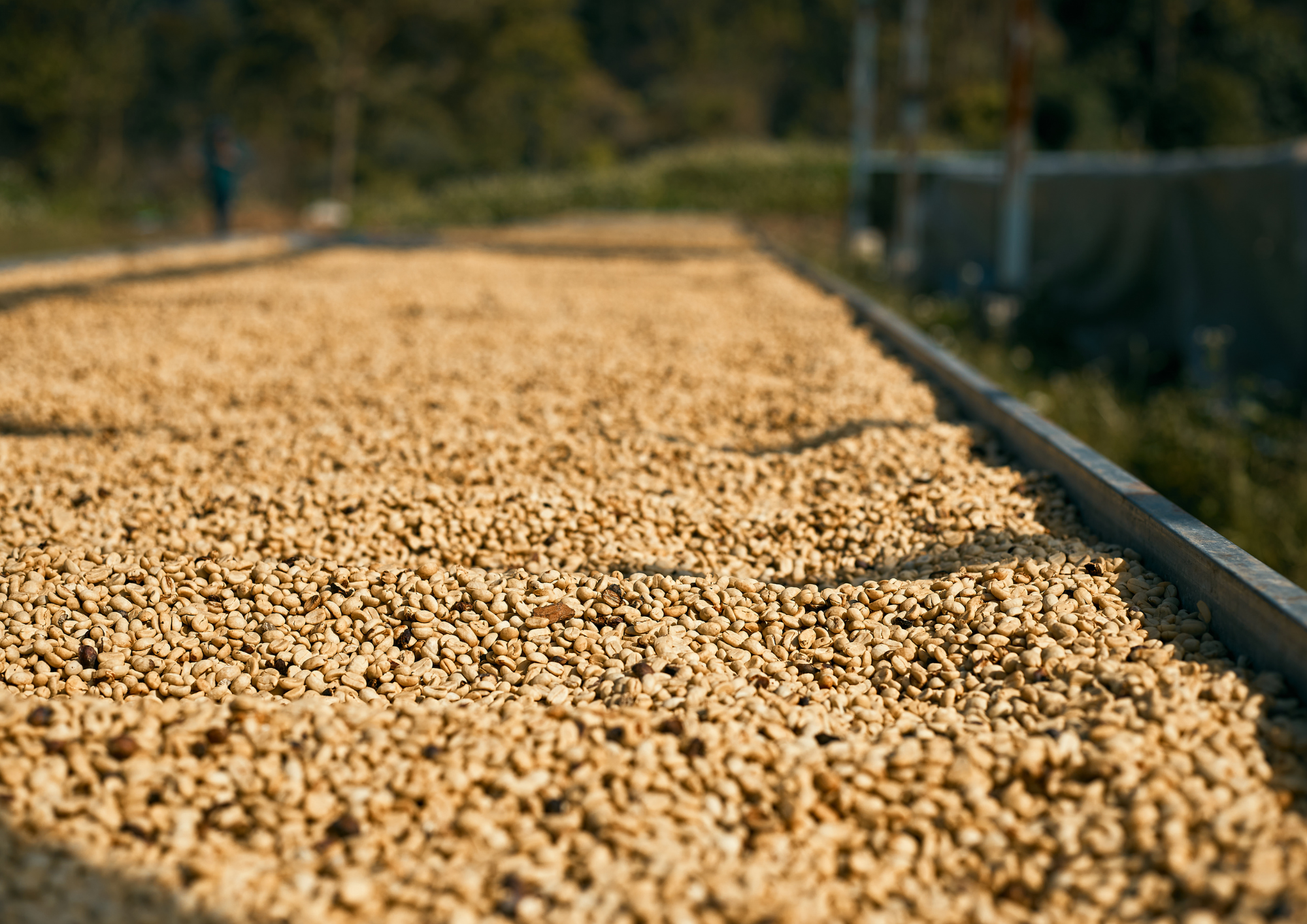
Coffee still contains substantial moisture after initial processing. Storing beans before they are adequately dried and stabilised can affect quality. Drying too quickly or unevenly may also create problems for later hulling and roasting. The fourth step in LOPHA’s journey connects drying, moisture stabilisation and parchment removal to produce green coffee beans.
23/10/2026
Mucilage Removal and Controlled Coffee Fermentation
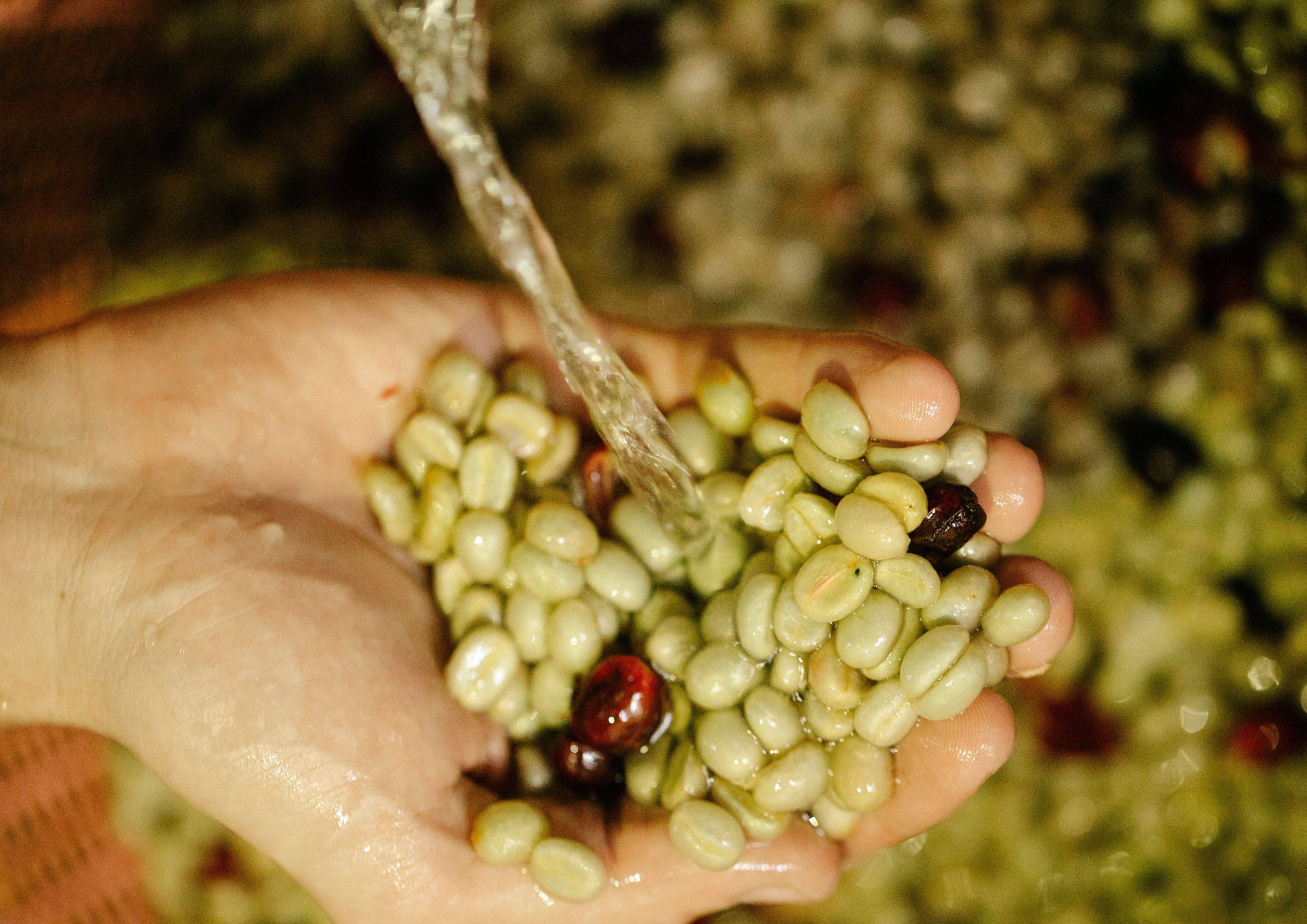
Touch a coffee bean just after the cherry has been pulped and you may notice that it still feels slippery and sticky. This is the natural mucilage surrounding the bean. There is no single method that must always be used to remove it: some processes rely on controlled fermentation, while others use mechanical demucilaging equipment. What matters is choosing an appropriate method and avoiding unwanted changes in the raw material.
23/10/2026
Cleaning and Pulping Coffee Cherries
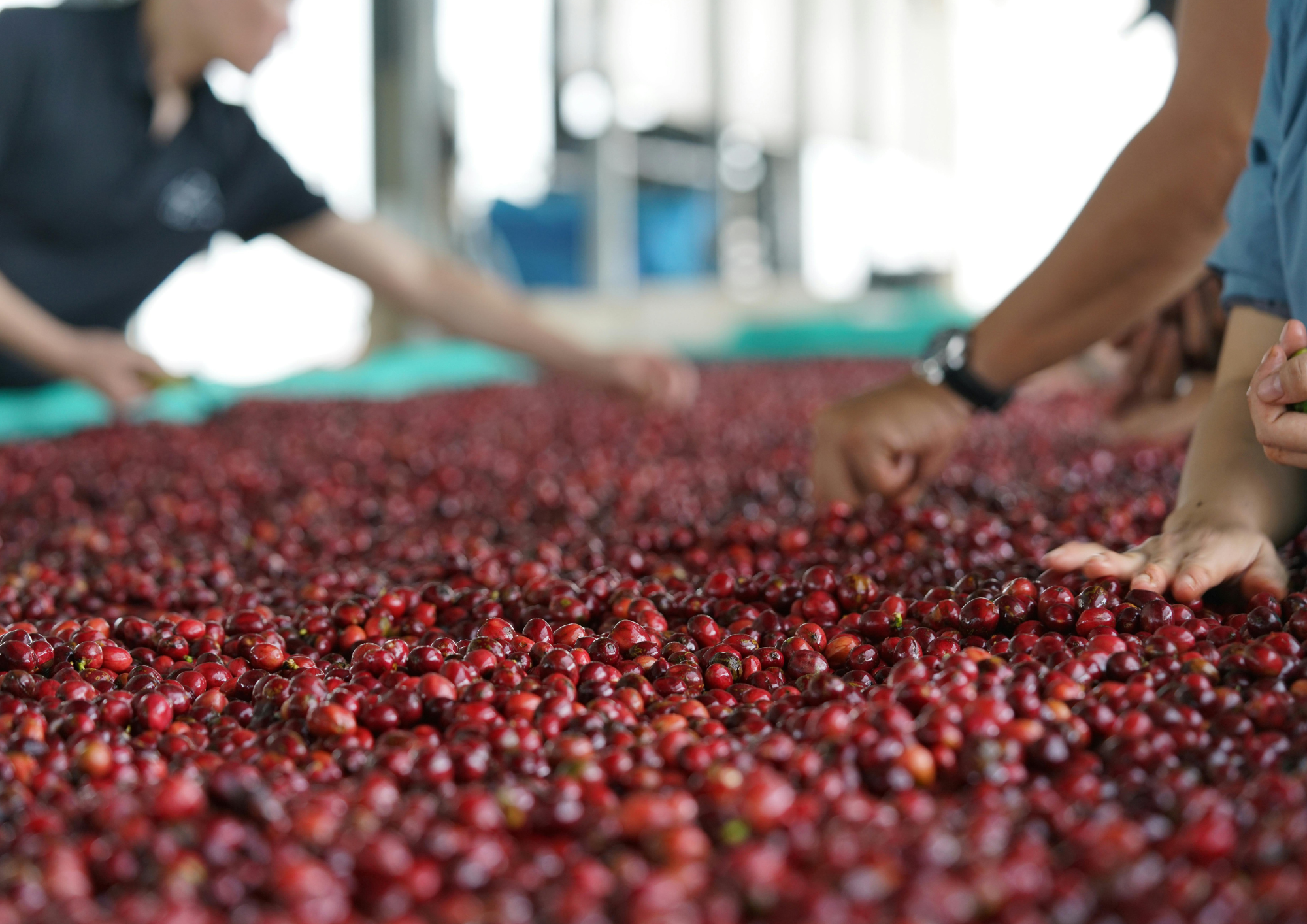
Freshly picked coffee cherries are not yet ready for every processing stage. Even among ripe cherries, leaves, twigs, soil, stones and fruit that needs separate sorting may be present. Once the cherries are cleaned, appropriate pulping methods remove the outer skin and pulp. LOPHA presents cleaning, sorting and pulping as the second step on the journey from the growing area to the factory.
23/10/2026
Harvesting Coffee Cherries at the Right Ripeness
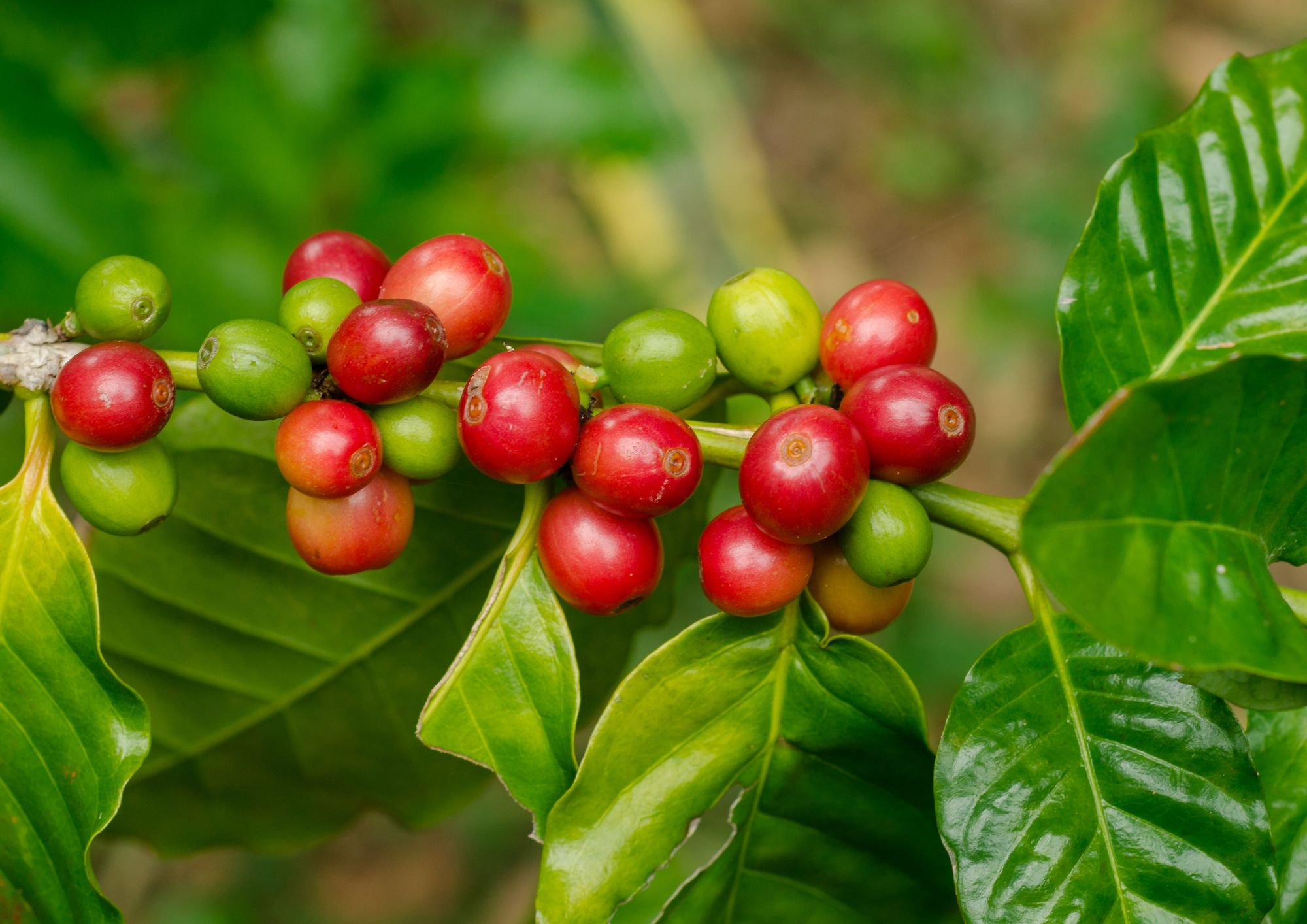
At LOPHA, a coffee bean’s journey begins long before the raw material reaches a processing facility. On the same branch, you may find unripe, ripe, and overripe cherries. Choosing when to harvest affects how consistent the entire batch will be. That is why harvesting at the right ripeness and keeping freshly picked cherries in good condition is the first step in LOPHA’s 15-step journey of purity.
